Borer in Grey Lynn and Ponsonby villas
Two of Auckland's oldest villa suburbs, built from native timber that borer has had well over a century to find.
Facts and prices checked 5 November 2026
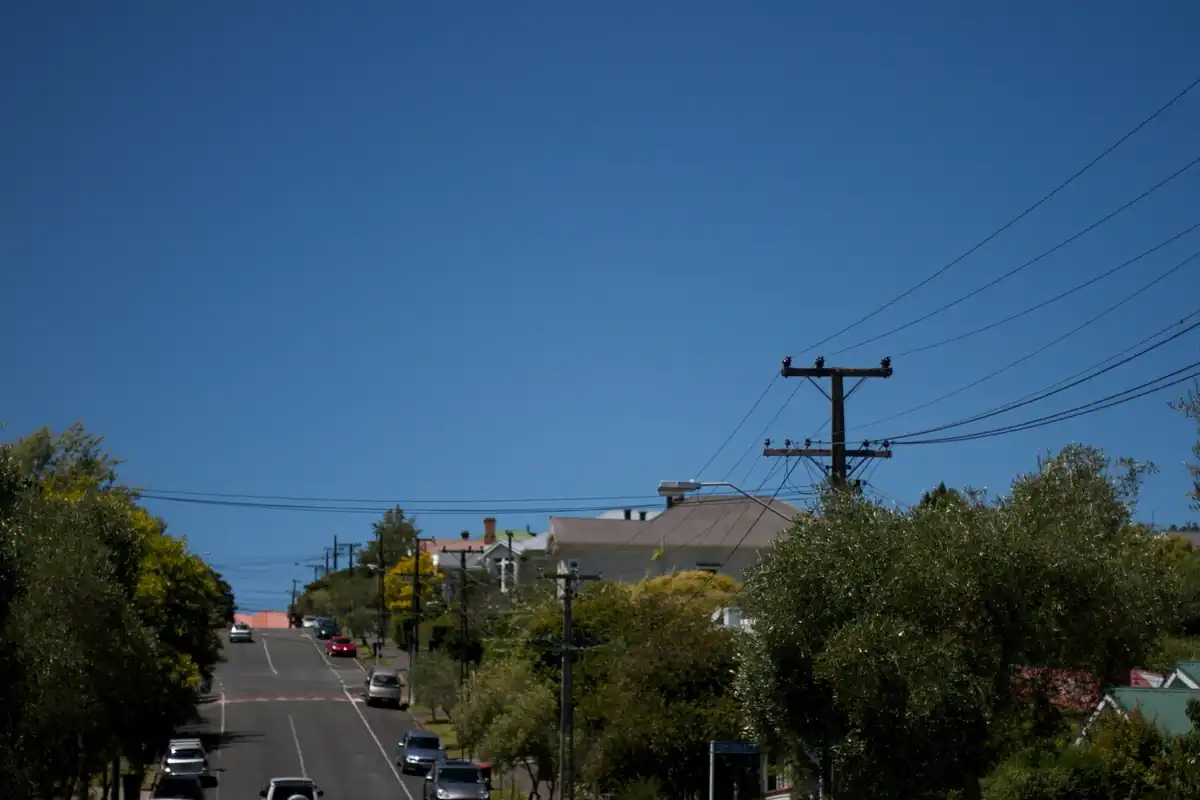
Grey Lynn and Ponsonby are full of late Victorian and Edwardian kauri and rimu villas and workers' cottages, much of it built from the 1880s onwards, and that timber is old, mostly untreated and often borer-marked. In these streets, borer treatment usually means the subfloor and roof space of a villa, plus injecting flight holes in the painted joinery that owners have worked hard to keep. We arrange a local technician to come to you anywhere in Grey Lynn, Ponsonby, Westmere, Herne Bay or Arch Hill, look at the timber and quote in writing before anything is treated. The method itself is set out in how to treat borer.
What makes these villas so prone to borer?
These villas are prone to borer because they were built before treated framing existed, from native timbers whose sapwood the common house borer eats. A house from the 1880s or 1900s has had generations of beetles emerge and lay eggs in the same untreated joists, sarking and floorboards. Many were also left run-down for decades, before the renovation wave that began in the 1970s, which gave borer time.
Grey Lynn's big Surrey Hills Estate subdivision dates from 1883, and further subdivisions followed when the tram reached West Lynn in 1910. Ponsonby is older still. The timber in these houses is as old as the houses, and most of it has never had a borer treatment.
Where does borer turn up in a Grey Lynn villa?
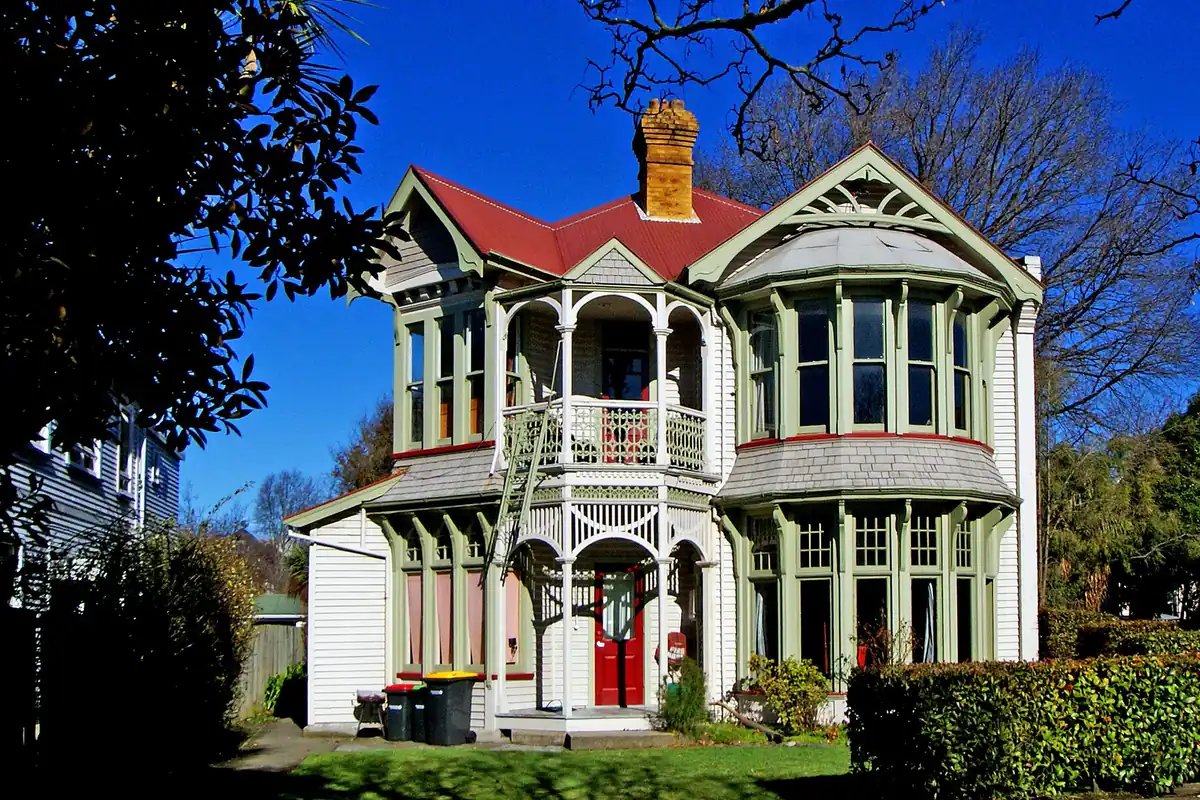
In a Grey Lynn or Ponsonby villa, borer turns up first in the subfloor (bearers, joists and the underside of tongue-and-groove floorboards), then the roof sarking and rafters, then the painted joinery: skirtings, architraves, sash windows and verandah fretwork. Bay villas with original kauri weatherboards often show holes along the lower boards, where moisture from the ground is highest.
| Part of the house | What tends to need doing |
|---|---|
| Subfloor framing and board undersides | Residual surface treatment, two coats |
| Roof sarking and rafters | Residual treatment from the ceiling joists |
| Skirtings, architraves, sashes | Inject live flight holes, then fill and paint |
| Lower weatherboards | Inject holes; replace boards that have gone soft |
| Verandah posts and fretwork | Inject; check for rot where timber meets the deck |
Do the gullies and slopes change anything?
The gullies and slopes change how easy the subfloor is to get into. Grey Lynn Park itself was too steep and wet to build on until it was drained, and many surrounding streets fall away sharply, so a villa can have a tall subfloor at one end and almost none at the other. Damp collects at the low end, which is exactly where borer and huhu do best.
On a sloping section, the deep end is easy to treat standing up, and the shallow end means crawling. That's normal, and it's part of what the written quote allows for. If the low side stays wet, a ground moisture barrier and clear vents help. Our subfloor treatment page covers both.
Borer under the floor or in the roof space? Get a written quote
When is the best time to treat during a renovation?
The best time to treat a villa during a renovation is when the timber is bare: floors sanded before finishing, walls opened up before relining, the roof stripped before re-roofing. Every exposed face of old framing can then take a residual coat in minutes rather than hours of injection later. Tell the builder early, so the treatment can be slotted in before linings, insulation and finishes go back.
A practical order on a villa renovation:
- Treat the subfloor before any new underfloor insulation or moisture barrier.
- Treat exposed wall framing and sarking while it's open.
- Treat sanded floorboards before the floor finish.
- Inject the old joinery you're keeping, then fill and paint.
Do character rules affect borer work here?
Special character rules in the Auckland Unitary Plan are mostly about how a house looks from the street, and they're a fact of life in many villa streets in this part of the city. Treating borer doesn't change a house's appearance, so the treatment itself isn't the issue. Replacing original weatherboards, joinery or verandah details with something different might be. Check your property's overlays with Auckland Council before larger exterior repairs.
Like-for-like board replacement is usually straightforward. The exterior timber page explains when a board can be saved by injection and when it needs replacing.
What's parking and access like for a visit?
Parking in Ponsonby and much of Grey Lynn is tight, with narrow streets, resident parking zones and very little off-street space. A technician's van needs somewhere close to the house for the sprayer and hoses, so it helps to say if there's a driveway, a nearby loading spot or a time of day when parking is easier. Subfloor access in villas is often a small hatch at the side or rear.
Have the roof hatch and the subfloor access clear before the visit. If the only subfloor access is through a garden bed or behind a fence, mention it when you book.
What does a typical villa treatment cost?
Published Auckland price lists put a roof space and subfloor treatment at roughly $800 to $1,350 together, with the subfloor alone around $450 to $750. A large villa with a low subfloor and lots of joinery to inject sits toward the top of those ranges or above. The written quote after the visit sets your actual price, including GST.
Flight-hole injection in painted joinery is priced by the amount of work, and repairs such as replacing boards are building work, quoted separately. The cost page explains what moves a price.
Questions people ask
Is borer in an old Grey Lynn villa normal?
Holes are very common in villas this old, and many are from borer long since dead. What matters is whether it's active: pale, fresh holes and new dust each summer. Our borer holes page helps you tell.
Should I treat borer before I sand my kauri floors?
Yes, ideally between sanding and finishing, when the boards are bare and take a residual coat across their whole surface. Treat the underside from the subfloor too.
Do you cover Herne Bay, Westmere and Arch Hill?
Yes. We arrange visits across the inner western suburbs, including Herne Bay, Westmere, Freemans Bay, St Marys Bay and Arch Hill.
The treatment methods are the same in every suburb and are explained at Borer Treatment Auckland.