How long does a borer treatment last?
A borer treatment is only as good as its staying power. Here's how long a residual coat is meant to work, and what shortens it.
Facts and prices checked 5 November 2026
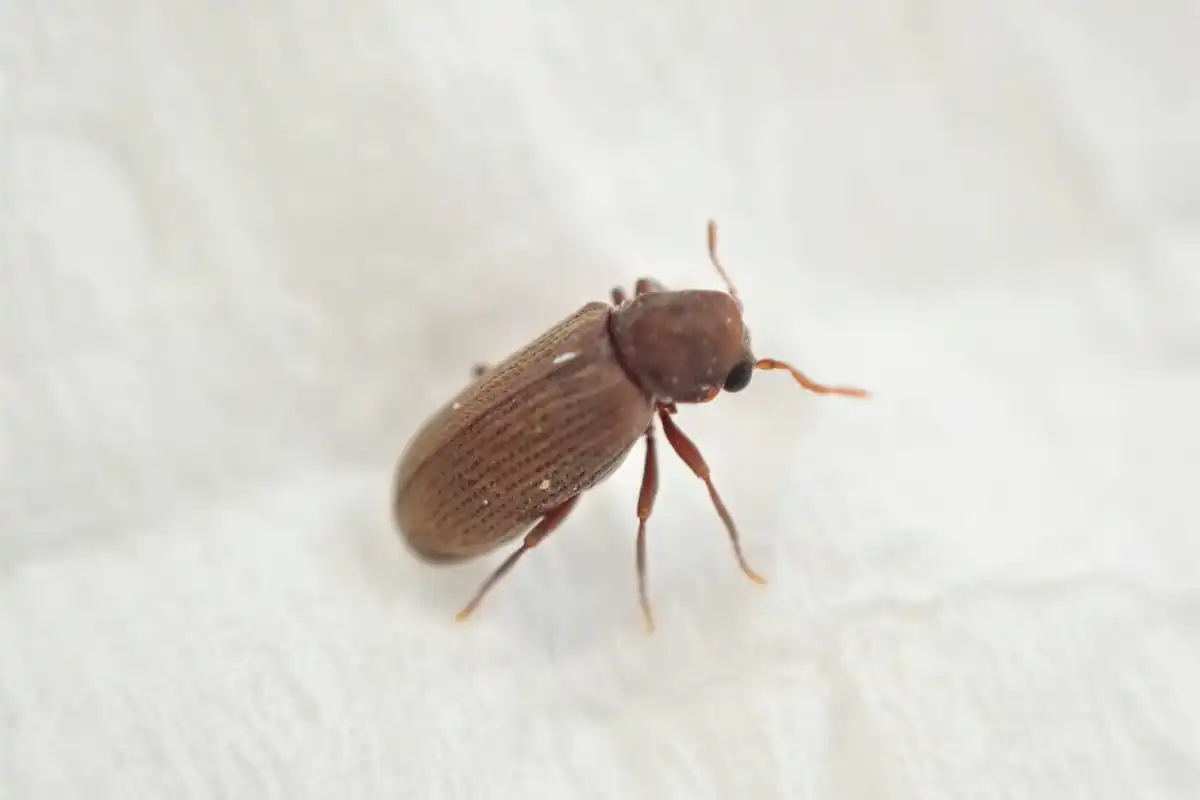
A residual borer treatment on bare timber is meant to last for years, because it has to outlast the borer's own life cycle: common house borer larvae stay three to four years inside the wood before they emerge. One manufacturer notes that timber in areas of high UV light may need treating again after about five years; sheltered subfloor and roof timber generally holds its protection longer. A fogger, by contrast, lasts only as long as its mist hangs in the air. This answer explains what shortens a treatment and how to know when to redo it. For the active ingredient, see permethrin borer treatment.
Why does a borer treatment need to last for years?
A borer treatment needs to last years because the larvae already inside the timber keep emerging over several seasons. Common house borer takes roughly three years in kahikatea and four in rimu or pine, according to NZFFA. A coat that wore off in one season would miss most of those beetles, and the eggs they lay would start the next generation on untreated wood.
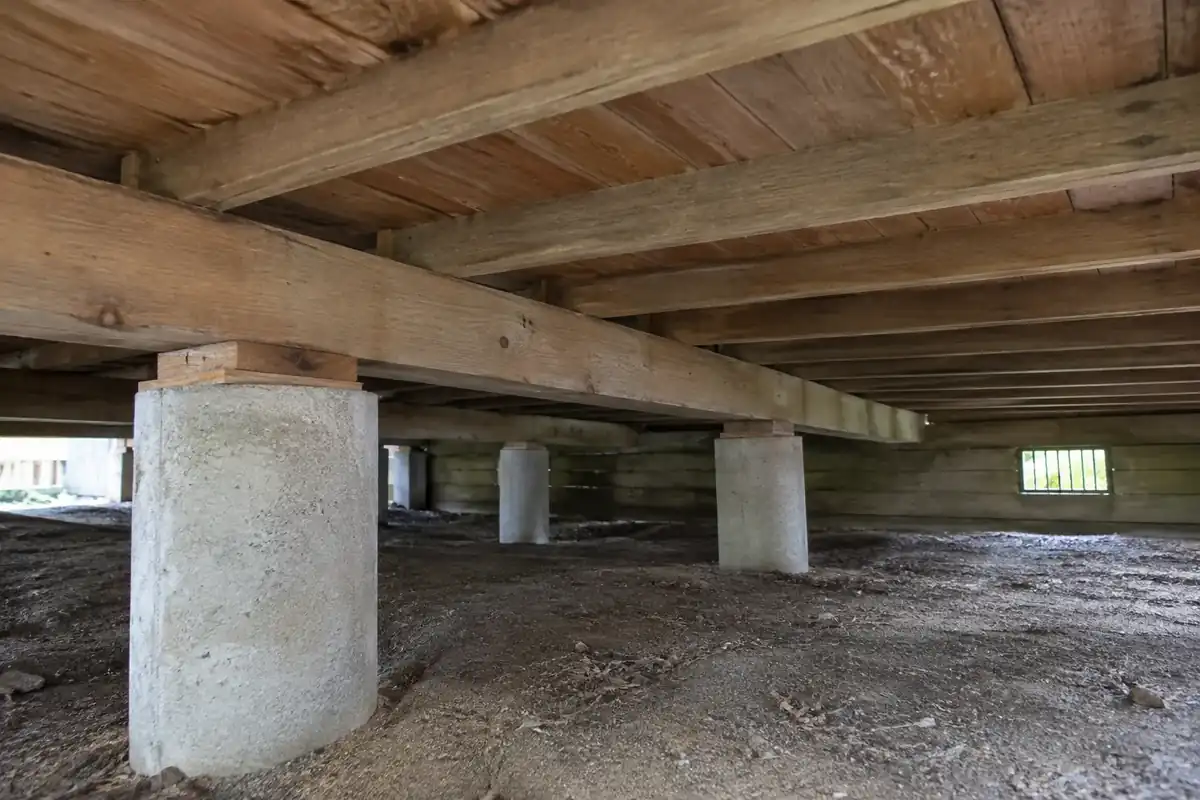
So the treatment's job is to be there every time a beetle chews out or lays eggs, across the whole span. Two coats, as most labels advise, help it last.
What makes a treatment wear off faster?
Sunlight, weather and surface wear shorten a treatment's life. UV breaks down pyrethroids such as permethrin, which is why exposed timber may need treating again sooner. Rain washes product off exterior timber and leaches borates. Sanding, planing or refinishing removes the treated outer layer, and paint applied later doesn't bring it back.
| Location | Expected life of a residual coat |
|---|---|
| Subfloor, sheltered | Long; check each flight season |
| Roof space | Long; heat doesn't remove it, but check |
| Exterior timber in strong sun | Shorter; one manufacturer suggests re-treating after about 5 years |
| Floors later sanded | Removed with the sanded layer; re-treat before refinishing |
| Fogger mist | Hours, no lasting protection |
How do you know if a treatment has worked?
You know a treatment has worked when new holes and new dust stop appearing over the next one or two flight seasons. Some beetles already close to emerging may still chew out soon after treatment, but they meet treated timber and the next generation shouldn't establish. Vacuum before the season, then check between December and February.
Borer under the floor or in the roof space? Get a written quote
Our answer on how to tell if borer is active describes the checks. If fresh holes keep appearing two seasons after treatment, something was missed, often a hidden area or timber that was painted rather than bare.
When should you treat again?
Treat again when you see new activity after the first season or two, when you've sanded or replaced treated timber, or when exterior timber in strong sun reaches about five years since treatment. Otherwise, there's no need to re-treat on a fixed timetable. A yearly check during the flight season is the trigger, not the calendar.
Any repair timber should be treated timber, so you're not adding fresh food. See borer prevention.
Does a professional treatment last longer than DIY?
A professional treatment doesn't use magic chemistry: much of its value is coverage. Two full coats on every reachable face of a subfloor or roof space, with nothing missed behind insulation or in tight corners, is what makes a treatment last. A DIY job that covers the same surfaces properly can last as well. Many DIY treatments fall short on coverage in hard-to-reach spots. The products or a specialist answer weighs this up.
Questions people ask
Does borer treatment last forever?
No. Residual treatments break down slowly, especially in sunlight. Sheltered timber keeps its protection for years, but check each flight season and re-treat when needed.
Do I need to treat borer every year?
No. Treat when borer is active, then check each summer. Re-treat only when you find new activity, change the timber, or exterior timber has had years of strong sun.
Does a written quote include any follow-up?
That depends on the operator. Ask before you agree what happens if fresh holes appear after treatment, and get the answer in writing with the quote.
Short answers like this one feed into borer treatment across Auckland, which sets out every option from DIY to a professional visit.