Borer treatment products: what's on the shelf and what's approved
Surface treatments, injectors, foggers and borates all claim to deal with borer. They work on different parts of the problem, and every one should carry an HSNO approval number.
Facts and prices checked 5 November 2026
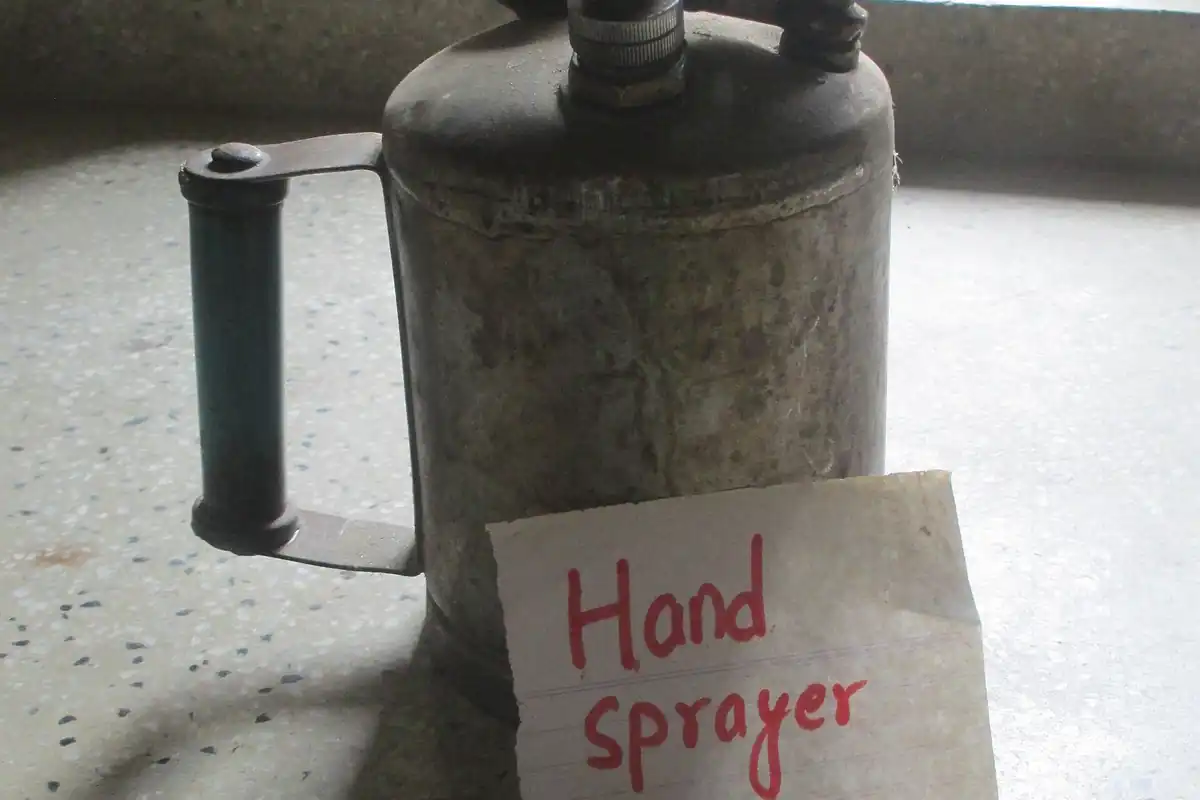
Borer treatment products sold in New Zealand fall into four groups: residual surface treatments for bare timber, injectors for flight holes in finished timber, foggers that kill flying adults, and borate (boron) treatments that soak into timber. The first two do most of the work against larvae. Every pest-control product sold here is a hazardous substance under the HSNO Act 1996, so its label should show an approval number you can check with the Environmental Protection Authority (EPA). This page helps you match product to problem and read the label. For when products aren't enough, see borer products or a specialist.
Which kinds of borer product are there?
There are four kinds of borer product on New Zealand shelves. Residual surface treatments go on bare timber and stay active for years. Injectors push insecticide into flight holes through paint or varnish. Foggers release a mist that kills adult beetles in the air. Borate treatments are water-soluble boron compounds that diffuse into timber. Most DIY jobs need the first two.
| Product type | What it reaches | Best use | Lasting protection? |
|---|---|---|---|
| Residual surface treatment (concentrate or ready to use) | Eggs, hatchlings and emerging beetles at the timber surface | Bare timber: subfloors, roof spaces, sheds, bare furniture backs | Yes, for years |
| Flight-hole injector | Larvae in tunnels behind a finish | Painted, varnished or polished timber | Yes, in the treated piece |
| Fogger ("bomb") | Adult beetles flying at the time | A short flight-season knock-down, roughly October to March | No |
| Borate (boron) treatment | Timber it can soak into | Dry, protected bare timber | Yes, if kept dry |
The reach diagram on our treatment guide shows where each one acts in a board.
What does an HSNO approval number mean?
An HSNO approval number means the substance has been approved for use in New Zealand under the Hazardous Substances and New Organisms Act 1996, with controls attached. It usually appears on the label as a code starting with HSR. It doesn't mean the EPA has tested the product against borer or recommends it: it means the substance may be sold and used here under its controls.
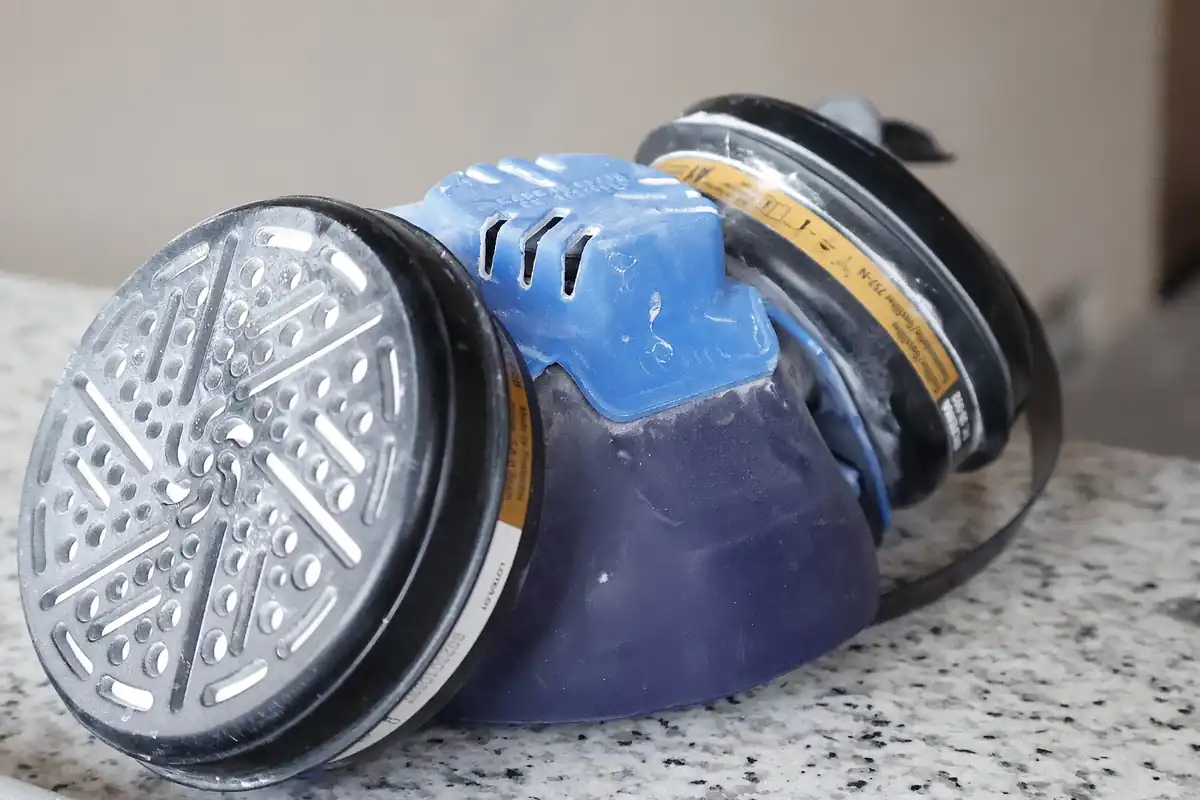
For example, one widely sold range lists these numbers on its technical sheets:
- A 10 g/L permethrin concentrate for bare timber: HSNO approval HSR101164
- The ready-to-use 1.0 g/L permethrin version: HSR101165
- A 1.0 g/L permethrin flight-hole injector: HSR000266
These are the manufacturer's published numbers. Check the label on the product in your hand, because formulations change.
How do you check a product's approval with the EPA?
You check an approval by searching the EPA's online database of approved hazardous substances with controls, using the HSR number from the label or the substance name. The record shows the substance's hazard classifications and the controls that apply to it. If a product has no HSR number on the label and isn't covered by a group standard, ask the seller before you use it.
- Find the number on the label or the safety data sheet (SDS), usually near the directions or the hazard warnings.
- Search the EPA database for that number.
- Read the classification. Aquatic toxicity, skin sensitisation and flammability are the usual ones for borer products.
- Read the SDS for protective gear, first aid, storage and disposal.
Borer under the floor or in the roof space? Get a written quote
How do you read a borer product label?
Read a borer label for five things: the active ingredient and its concentration, the surfaces it's for (most say unsealed or bare timber only), the dilution and number of coats, the protective gear and re-entry rules, and the hazard warnings. The label's directions are the rules for that product. Anything on a website, including this one, comes second.
What to look for on the back of the bottle:
- Active ingredient, such as permethrin in grams per litre
- "Hard surface treatment only, do not spray into air" or similar, which tells you it's not a fogger
- Dilution (one common concentrate is 100 ml per litre of water) and use-by time once mixed
- Second coat timing for the longest protection
- Keep children and animals out of treated areas until dry
Are imported borer products approved here?
Imported borer products are only legal to sell and use here if their substance has an HSNO approval. Some borate products widely sold overseas aren't confirmed as approved or sold in New Zealand, and online marketplaces don't always check. Before buying anything imported, make sure the label carries a New Zealand HSNO approval number you can find in the EPA database.
Our borate treatment guide covers boron products, and the permethrin guide covers the most common active ingredient.
Do you need a licence to use borer products?
You don't need a licence to buy or use retail borer products at home. Contractors are different: people applying certain pesticides in urban pest management, those hazardous to the aquatic environment or listed in the rules' schedules, need a set qualification or must work under the guidance of a qualified person, under the EPA's Hazardous Property Controls Notice. Fumigants need a WorkSafe controlled substance licence.
The product safety notice covers safe use at home, and how it works explains what to ask before you agree to a professional treatment.
Questions people ask
What is the best borer treatment in NZ?
There isn't one best product, because each type reaches a different part of the problem. For most homes, a residual surface treatment on bare timber plus an injector for finished timber does the work. Choose a product with an HSNO approval number on the label and follow its directions exactly.
Is a borer product with no approval number safe to use?
You can't tell, and it may not be legal to sell. Ask the seller for the approval number and the safety data sheet. If neither exists, don't use it in your home.
Are water-based borer treatments as good as solvent-based?
Water-based permethrin products are made to penetrate bare timber and have far less smell. Solvent and kerosene mixes smell strongly for days and are flammable. One manufacturer lets its concentrate be diluted with kerosene for the longest protection, but water is the usual choice indoors.
Can I use a borer fogger instead of a surface treatment?
No. A fogger only kills adult beetles in the air when it's used. It leaves nothing on the timber to stop larvae or the next generation. Use it, if at all, alongside a residual treatment.
How shop products compare with a professional job is covered at Borer Treatment Auckland.