Remuera and Epsom: large old houses, large borer jobs
Big Edwardian and interwar houses mean big subfloors and roof spaces, and a lot of native timber to protect.
Facts and prices checked 5 November 2026
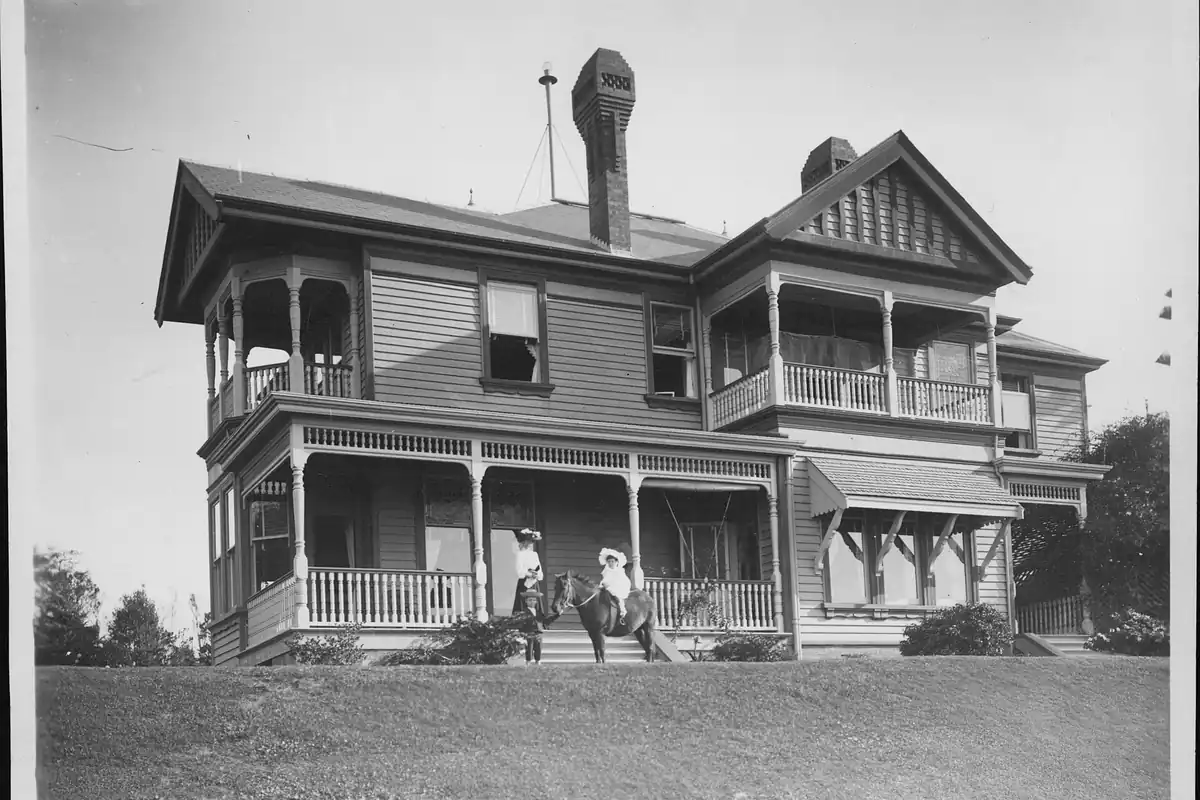
Remuera is known for large houses, many Edwardian or mid-twentieth century, and neighbouring Epsom is a valley ringed by four volcanic cones, settled as a village from 1841. Both suburbs have plenty of grand old villas and interwar bungalows built from rimu, kauri and matai, with deep subfloors and large roof spaces. Borer treatment here is usually bigger in scale than in a cottage suburb, because there's more timber, and it often includes antique furniture and long runs of polished floors. We arrange a technician to visit anywhere in Remuera, Epsom, Greenlane, Meadowbank or Newmarket, and quote in writing first. For the method, see how to treat borer.
Why do bigger houses mean a bigger borer job?
A bigger house means a bigger borer job because the treatment covers timber surface, and a large villa or two-storey Edwardian house has far more of it: longer bearers, more joists, more rafters and sarking, and more joinery to inject. The method is the same as for a cottage. The time and product scale up with the house, which is why prices for large homes sit at the top of the published ranges.
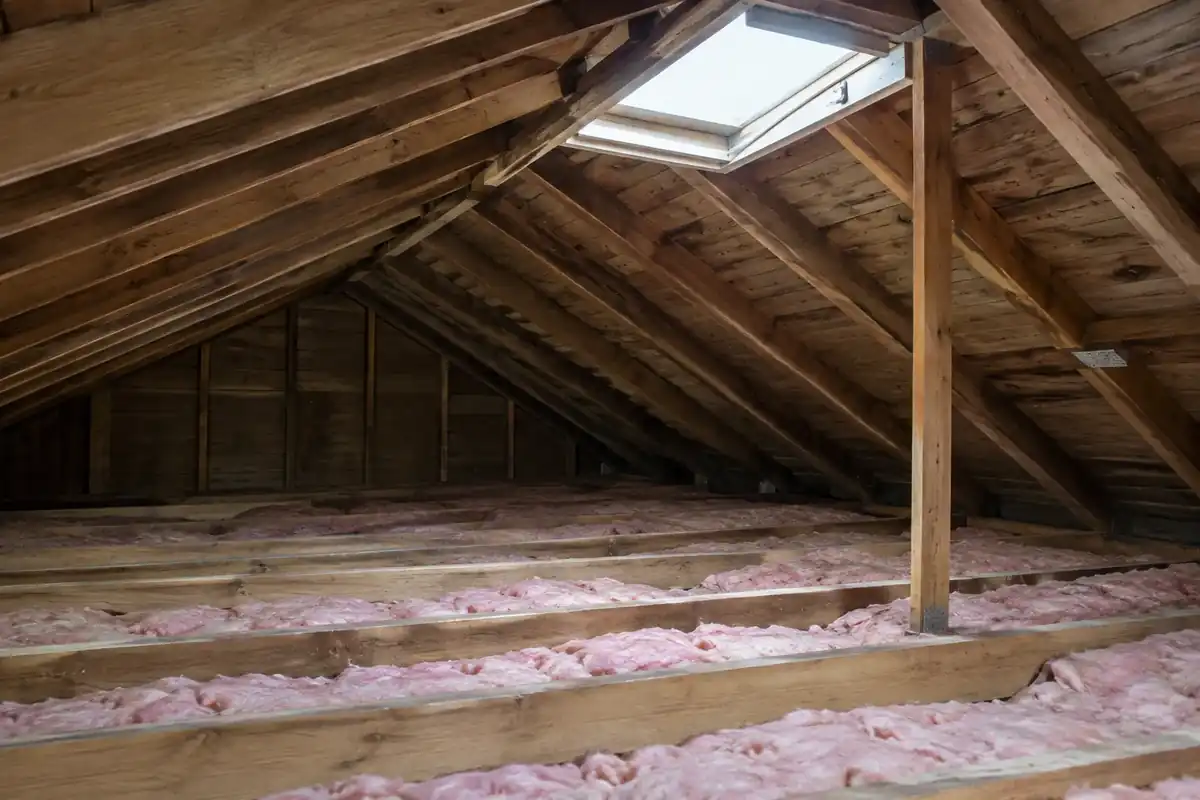
A useful first step on a large house is to work out where the borer actually is. Treating only the areas with active borer, rather than every square metre, keeps the cost sensible. Our roof space page explains how a large void is worked through.
What do the volcanic foundations mean?
Volcanic foundations mean many older Remuera and Epsom houses sit on scoria or stone foundation walls and piles over free-draining volcanic soil. Scoria drains well, so subfloors here are often drier than on clay, which helps keep borer slower. Some houses have dwarf stone walls with small vents, though, and blocked vents trap humidity. Some Remuera buildings even record scoria rock foundations in their heritage notes.
Checking the vents is a quick win:
- Clear soil, plants and decking away from subfloor vents
- Make sure downpipes discharge away from the foundations
- Look for damp patches on the ground under bathrooms and laundries
- Lay a polythene ground cover where the soil is bare and damp
Is longhorn more of a concern in these houses?
Longhorn is worth watching for in these houses because they often have extensive rimu floors and framing, and rimu heartwood is food for the two-toothed longhorn as well as sapwood. Its oval exit holes, about 3 to 7 mm long, are bigger than the common borer's round 1 to 2 mm holes, and damage can be severe. Adults emerge in autumn, so an April or May check of floors is sensible.
Borer under the floor or in the roof space? Get a written quote
| Sign | Common house borer | Two-toothed longhorn |
|---|---|---|
| Exit hole | Round, about 1 to 2 mm | Oval, about 3 to 7 mm |
| Timber | Sapwood | Sapwood and heartwood, often rimu |
| Adults emerge | Mainly November to January | Autumn into early winter |
| Usual response | Residual treatment, injection | Treatment plus a check of timber strength |
What about antique furniture and collections?
Antique furniture is common in these homes, and an old piece with live borer can re-infest floors and other furniture around it. Check under pieces for fresh gritty dust, especially in summer. Valuable antiques with original finishes deserve conservation advice before any liquid is used. Everyday old furniture can be injected and its bare backs treated. Our furniture guide sets out the order of work.
How do special character rules apply here?
Special character rules apply in parts of both suburbs: the Unitary Plan's Special Character Areas overlay includes areas labelled for Remuera and for Mount Eden and Epsom. The rules are about how the houses and streets look. A borer treatment doesn't change appearance, so it isn't affected. Replacing original exterior materials might need advice, so check your property's overlays before larger repairs.
What should you expect on the day?
On the day, expect the technician to start with a look over the whole house, including the roof space, subfloor and any floors or joinery with holes, then confirm the written quote before treating. Large houses may take most of a day. Parking is usually easier than in the inner city, but say if access is via a shared driveway or a gate code. Clear the hatches and keep pets away from treated areas until dry.
What does treatment cost for a large house?
Published Auckland price lists put a roof space treatment at roughly $350 to $600 and a subfloor at about $450 to $750, with both together around $800 to $1,350. Large two-storey houses, deep roof spaces and lots of injection can go beyond those ranges because the work takes longer. Your price is confirmed in writing after the visit. The cost page explains the factors.
Questions people ask
Do large houses always need the whole roof treated?
Not always. If borer is active only in part of the roof space, treating that part and checking the rest may be enough. The written quote should say which areas are being treated and why.
Are scoria foundations a borer risk?
Scoria itself isn't. It drains well, which helps keep subfloors drier. Watch for blocked vents in old stone foundation walls, which can trap moisture.
Do you cover Greenlane and Meadowbank?
Yes. Visits are arranged across the eastern isthmus, including Greenlane, Meadowbank, Ellerslie, Newmarket and One Tree Hill.
The treatment methods are the same in every suburb and are explained at Auckland borer treatment.