Onehunga borer: cottages, bungalows and harbour air
A Fencible village turned port town turned busy suburb, with nearly every era of Auckland timber house on its streets.
Facts and prices checked 5 November 2026
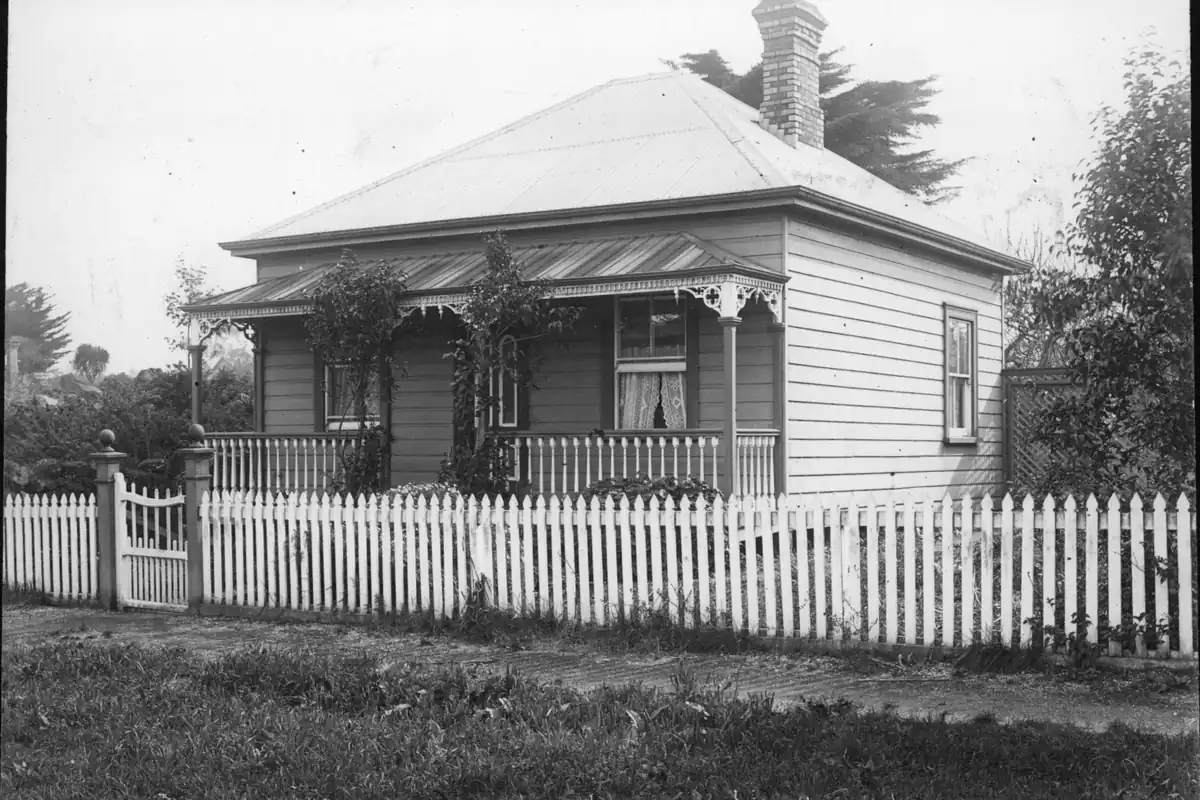
Onehunga was New Zealand's first Fencible village, chosen in 1846 and settled by former soldiers and their families from 1847, and it later grew into a working port on the Māngere Inlet of the Manukau Harbour. Its housing spans that whole history: small timber cottages and villas, interwar bungalows, and mid-century houses, with newer infill alongside. Many of the older houses were framed and floored in untreated native timber, so borer is a familiar problem, often found in low subfloors that pick up damp from the harbour flats. We arrange a technician to come to you anywhere in Onehunga, Te Papapa, Royal Oak or Oranga, and quote in writing before treating. The how to treat borer guide explains the method.
What kinds of Onehunga houses get borer?
The Onehunga houses that get borer are mostly the older timber ones: workers' cottages, villas and bungalows from the late 1800s to the 1930s, put up in untreated native timber. Mid-century houses are less often affected but still can be where framing was untreated. A modest cottage may have a low, cramped subfloor and a small roof space, which makes treatment slower than its size suggests.
Holes along the edges of floorboards and around window frames are the usual first sign. The replica Fencible cottage in Jellicoe Park is a reminder that timber housing here goes back to the 1850s.
Does being near the harbour make subfloors damper?
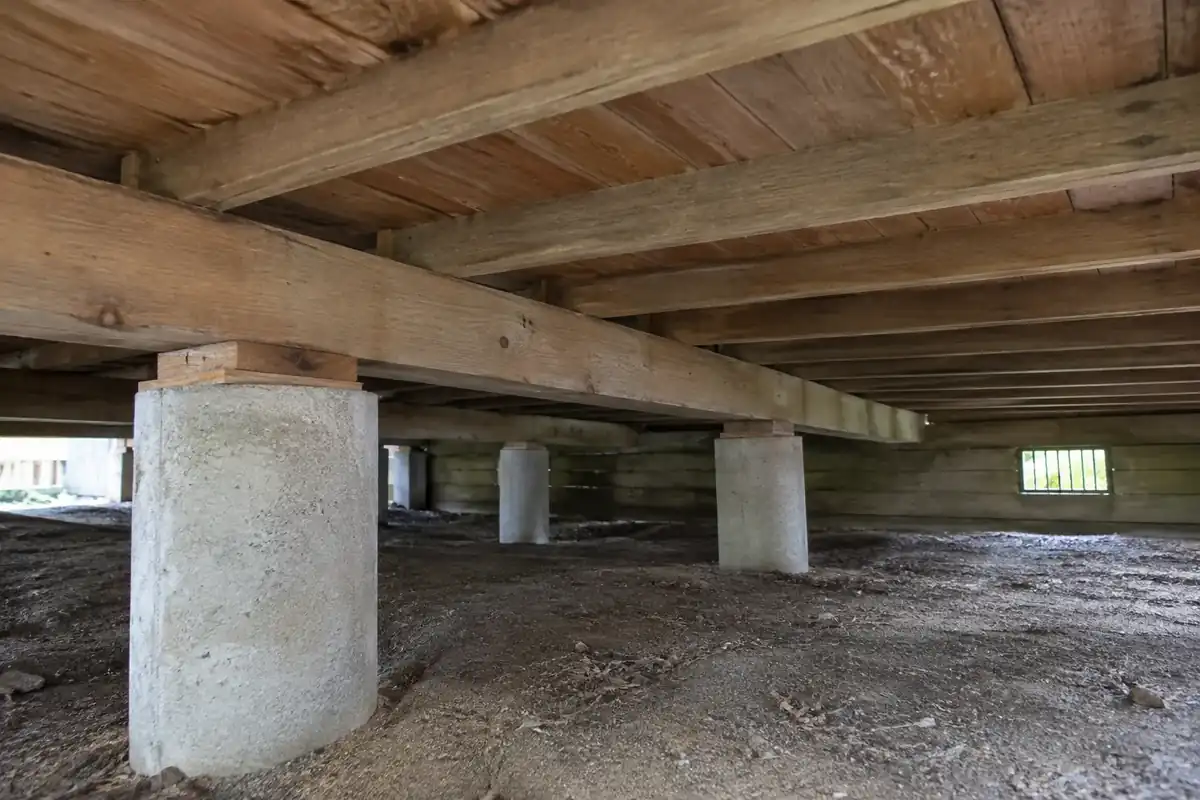
Houses on the lower ground near the Māngere Inlet and the old harbour edge can have damper subfloors, especially on flat sections with poor drainage or where land was reclaimed. Higher ground on the lava flows around Maungakiekie / One Tree Hill tends to drain better: rainwater soaks through the lava into a substantial aquifer beneath Onehunga. Damp timber suits borer, so the lower sections are worth extra attention.
What to check under an Onehunga house:
- Bare, damp soil with no ground cover
- Vents blocked by garden beds, paving or later additions
- Downpipes emptying beside the piles
- Timber in contact with the ground at steps and porches
The prevention guide explains how a moisture barrier and clear vents slow borer down.
Who deals with borer in an Onehunga rental?
Plenty of Onehunga's older cottages and bungalows are let, and in a rental the landlord is responsible for dealing with borer as a repair issue under the Residential Tenancies Act. Tenants should report fresh holes and dust promptly. Healthy Homes rules also require a ground moisture barrier under enclosed suspended floors where reasonably practicable, which helps against borer too.
Borer under the floor or in the roof space? Get a written quote
Our landlord guide covers notice periods, who arranges treatment and how to treat safely around tenants.
Is there a good time to treat during renovation?
There is: any time the old timber is bare. Onehunga's cottages and bungalows are popular renovation projects, and the moment floors are sanded or walls are opened is the cheapest time to treat. A residual coat on exposed framing and sanded boards takes minutes; injecting the same timber after it's lined and finished takes hours. Tell your builder or floor sander you want the treatment slotted in.
| Renovation stage | Borer job |
|---|---|
| Lifting carpet, sanding floors | Treat bare boards before finishing |
| Opening walls or ceilings | Treat exposed framing and sarking |
| Underfloor insulation going in | Treat subfloor framing first |
| Re-roofing | Treat sarking and rafters while exposed |
| Repainting | Inject holes, fill and paint after |
What about the newer infill and townhouses?
Onehunga has seen a lot of newer townhouses and infill. Houses consented from 1 April 2004 have treated framing, which resists borer well. Some houses built between the late 1990s and 2004 may have been framed in untreated kiln-dried timber, which was allowed then; their roof and subfloor framing is worth a look if you see holes. Brand-new builds with H1.2 framing rarely have borer.
What's access like for a visit in Onehunga?
Access is usually straightforward. Most streets have kerbside parking, though the town centre and streets near Onehunga Mall are busier. Many older houses have a small subfloor hatch at the side and a ceiling hatch in a hall or wardrobe. Clear both, put pets somewhere secure, and tell us if the house is tenanted so the right notice can be given.
The technician will look over the timber and give you a written quote before any treatment. If you go ahead, the treatment is booked at a time that suits.
What does borer treatment cost here?
Prices follow the published Auckland ranges: roughly $350 to $600 for a roof space and $450 to $750 for a subfloor, with both together about $800 to $1,350. Small cottages with easy access can be at the lower end; low, cluttered subfloors and lots of joinery injection push the price up. The written quote after the visit sets your price. See the cost page for the DIY comparison.
Questions people ask
Are Onehunga's old cottages worth treating for borer?
Yes. A cottage's native timber is part of its value, and a residual treatment protects it for years for a small fraction of the cost of replacing floors or framing.
Do newer Onehunga townhouses get borer?
Rarely, if they were built with treated framing. Houses from the late 1990s to 2004 are the exception to check, because builders could use untreated kiln-dried framing in those years.
Do you cover Royal Oak and Te Papapa?
Yes. Visits are arranged across the Onehunga area, including Royal Oak, Te Papapa, Oranga, Penrose and Māngere Bridge.
The treatment methods are the same in every suburb and are explained at treating borer in Auckland homes.