Howick, Pakuranga and Botany: borer in East Auckland
A Fencible village from 1847, suburbs that spread from the 1950s, and newer streets built when untreated framing was allowed.
Facts and prices checked 5 November 2026
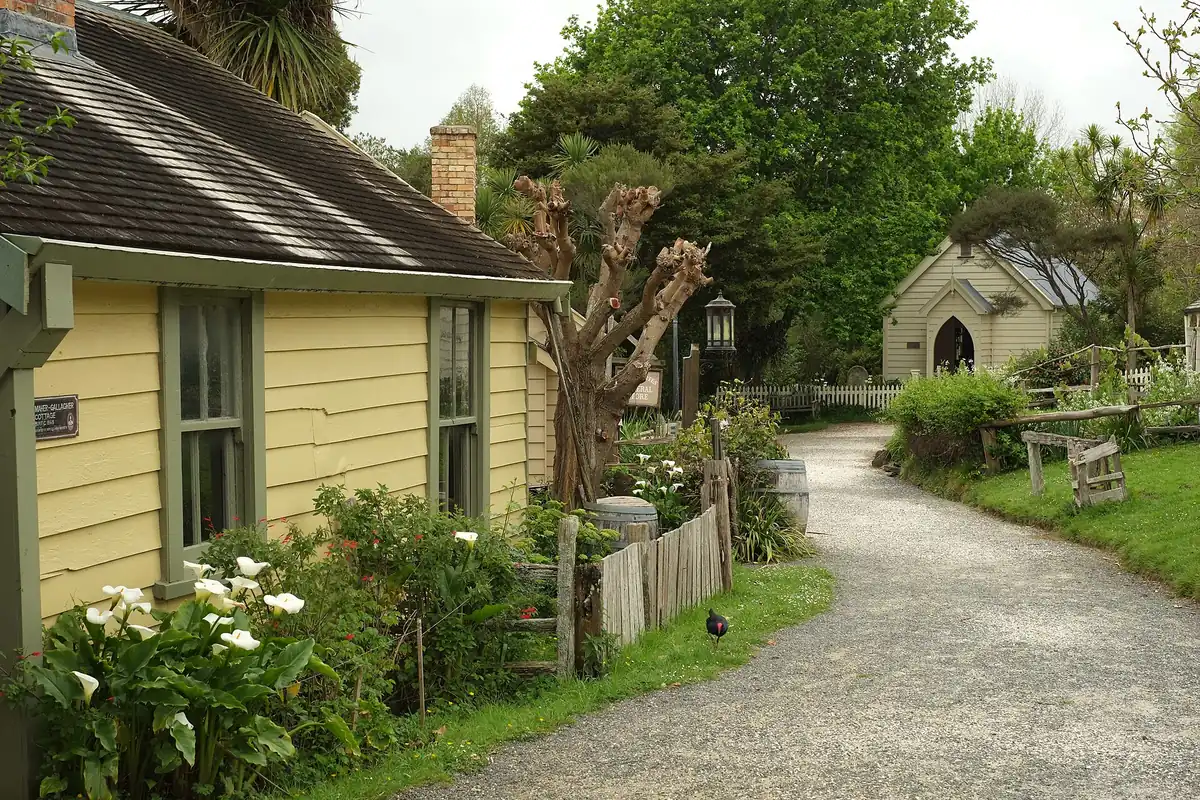
Howick was founded in 1847 as a defensive settlement of Fencibles, retired British soldiers and their families, and stayed a small farming centre until it became an Auckland suburb from the 1950s. Pakuranga, on low ridges and drained flats between Pakuranga Creek and the Tāmaki River, was subdivided from the 1950s too, and Botany and the surrounding streets filled in later. So East Auckland borer is mostly a story of framing age: older Howick cottages, mid-century homes, and a big stock of houses from the late 1990s to early 2000s. We arrange a technician to come to you anywhere in Howick, Pakuranga, Botany, Bucklands Beach, Half Moon Bay or Cockle Bay, and quote in writing before treating. See how to treat borer for the method.
Why check houses built around 2000 in Botany?
Houses built around 2000 are worth checking because builders could use untreated kiln-dried framing in those years. Standards New Zealand's timeline shows it was permitted from September 1995, written into the Building Code's B2/AS1 route in February 1998, and ruled out for consents issued from 1 April 2004. Much of Botany Downs, Dannemora and the streets around them was built from the 1990s onwards, so some homes fall inside that window.
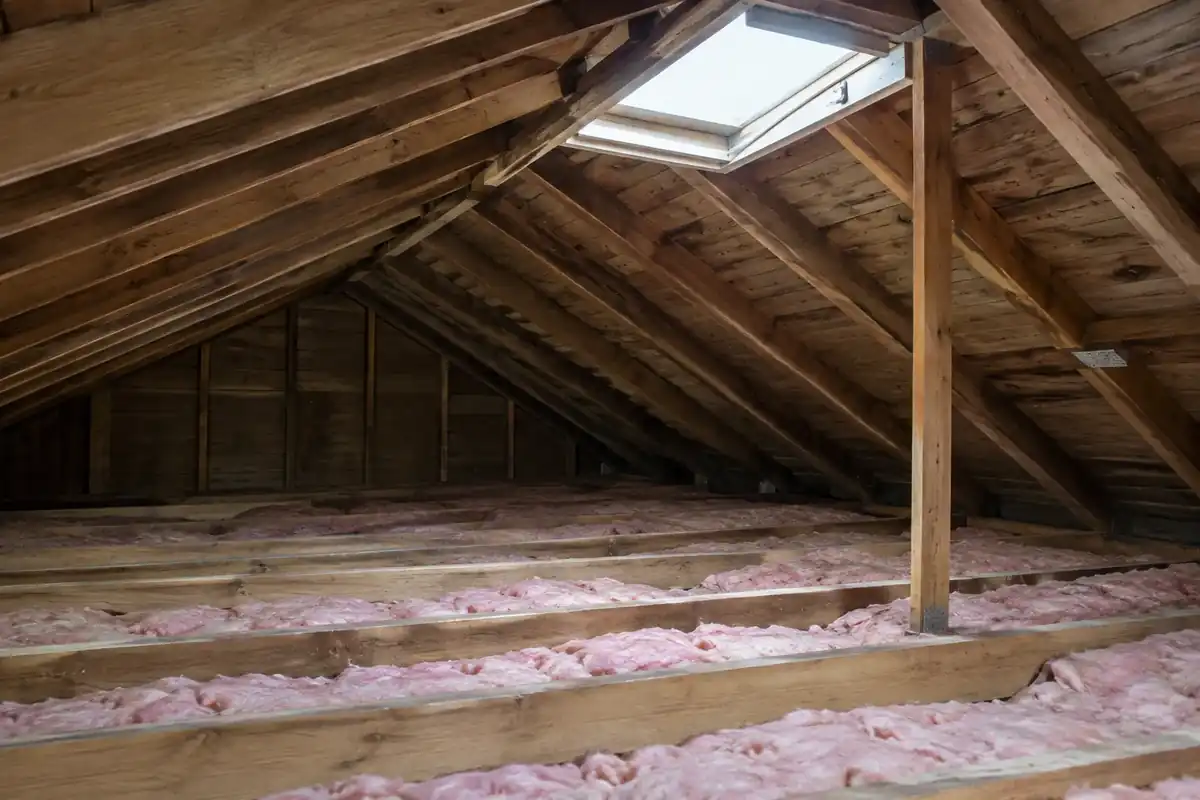
Not every house from those years used untreated framing, and many have never had borer. The quickest check is the roof space: untreated framing has no pink colouring or treatment marks, and borer shows as small round holes and fine dust on top of the ceiling. Our answer on treated timber explains how to tell.
What about Howick's older houses?
Howick's older houses, around the village and the historic streets near the beach, include cottages and villas put up in untreated native timber, and they carry the same borer risks as inner-city villas: subfloor joists, roof sarking, floors and painted joinery. When the Fencibles arrived, the district had almost no trees suitable for building, and Howick Historical Village now keeps examples of the settlement's early buildings.
Borer under the floor or in the roof space? Get a written quote
For an older Howick house, the usual job is a subfloor and roof treatment with injection of live flight holes in joinery.
How does clay and estuary ground affect subfloors?
Clay and estuary ground make some East Auckland subfloors damper. Howick's soil was mainly clay, and Pakuranga's flats were swampy before they were drained. Clay holds water after rain, and low sections near Pakuranga Creek, the Tāmaki River and the bays can have humid subfloors. Humid timber speeds borer up, so drainage, vents and a ground moisture barrier help.
| Ground | What it means for the subfloor |
|---|---|
| Clay ridges | Slow drainage after rain; check vents and downpipes |
| Drained flats near creeks | Higher water table; ground moisture barrier helps |
| Coastal sections near the bays | Salt air on exterior paint; damp at the low end |
| Concrete slab houses | No subfloor timber; check roof framing instead |
Many East Auckland houses are on slabs. Does that matter?
Many newer East Auckland houses are built on concrete slabs, which matters because there's no timber subfloor for borer to live in. Borer in a slab house is usually found in the roof framing, timber joinery, stairs or furniture. That narrows the treatment to the roof space and injection, which is usually smaller and cheaper. The roof space treatment page covers what's involved.
What does a visit look like out east?
A visit looks the same as anywhere: the technician checks the roof space, any subfloor and timber with holes, then gives a written quote before any treatment. Parking is usually easy in East Auckland's wider suburban streets. Let us know if the roof hatch is in a garage or wardrobe, and whether the house is on a slab or piles. Keep pets away from treated areas until dry.
What does treatment cost in Howick and Pakuranga?
Published Auckland price lists put a roof space treatment at roughly $350 to $600 and a subfloor at about $450 to $750, with both together around $800 to $1,350. A slab house needing only roof treatment is often at the lower end. Your price comes in writing after the visit; the cost page explains the factors.
Questions people ask
Do newer Botany houses get borer?
Most don't. Houses from consents after 1 April 2004 have treated framing. Some houses from the late 1990s to 2004 may have untreated framing worth checking.
Is borer in the roof of a slab house serious?
It can weaken roof timber over many years, so it's worth treating while it's small. Roof space treatment is usually straightforward.
Do you cover Bucklands Beach and Cockle Bay?
Yes. Visits are arranged across East Auckland, including Bucklands Beach, Half Moon Bay, Cockle Bay, Highland Park, Dannemora and Flat Bush.
The treatment methods are the same in every suburb and are explained at Auckland borer treatment.