Devonport: borer in a harbourside heritage suburb
Old villas, salty air and some of the North Shore's earliest timber houses make Devonport a classic borer suburb.
Facts and prices checked 5 November 2026
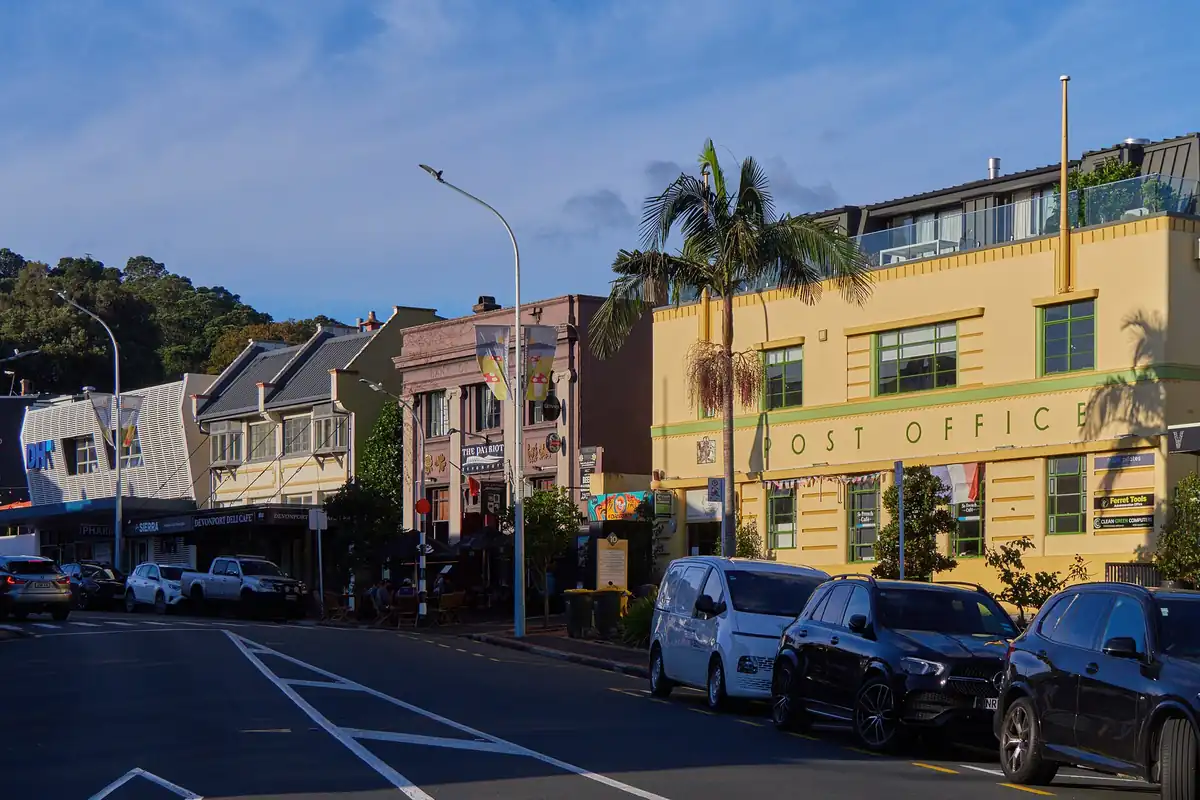
Devonport has some of the oldest timber houses on the North Shore: the Flagstaff area was subdivided for town sections in the early 1850s, and its streets are lined with Victorian and Edwardian villas and cottages in native timber. Borer is common in their subfloors, roof sarking and joinery, and the harbour air adds a second job: keeping exterior paint sound so weatherboards stay protected. The Unitary Plan's special character overlay covers Devonport and Stanley Point, so exterior repairs get extra thought. We arrange a technician to come to you in Devonport, Stanley Point, Cheltenham, Narrow Neck or Bayswater and quote in writing before treating anything. The treatment itself is described in how to treat borer.
Why is Devonport's housing so borer-prone?
Devonport's housing is borer-prone because so much of it predates treated timber by many decades. Villas and cottages from the second half of the 1800s and early 1900s were framed and floored in kauri, rimu and other natives, and the common borer has had a century or more to work through their sapwood. Holiday use and long-held family homes also meant some houses went many years between maintenance.
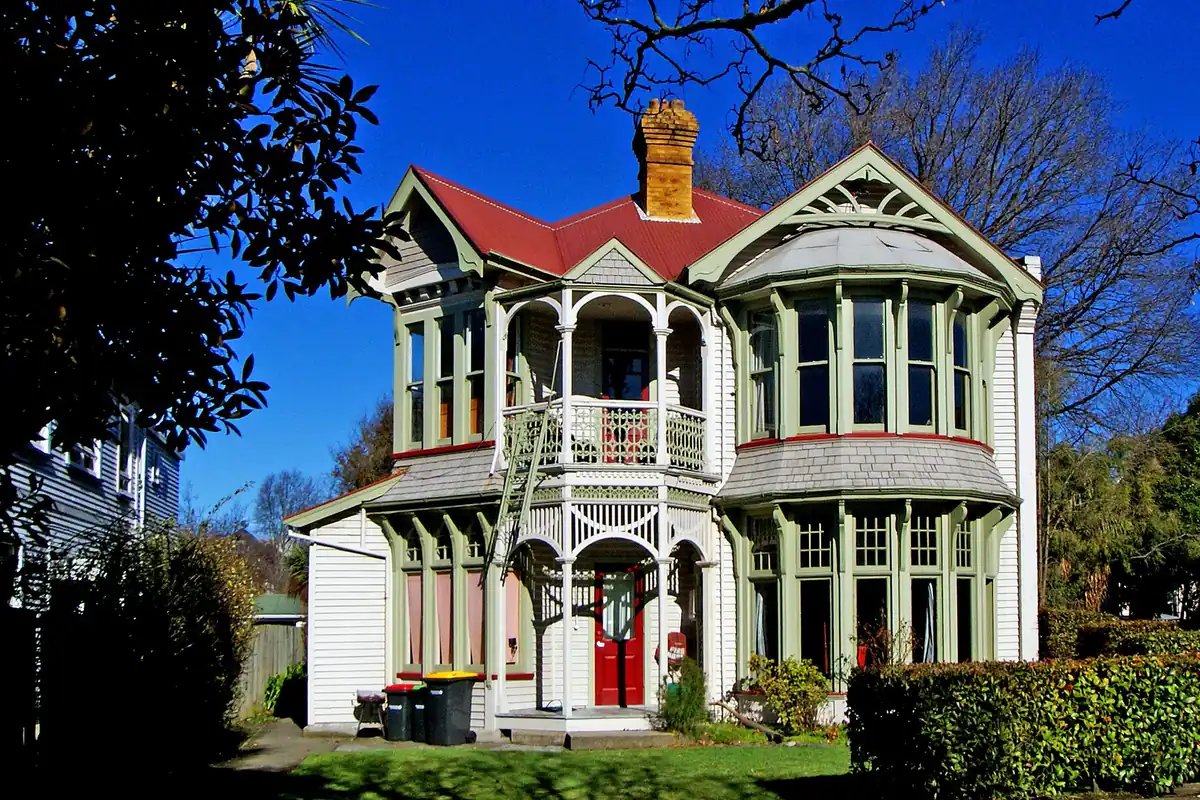
Nearly every older house here has some holes somewhere. The question to answer first is whether they're active, which our page on borer holes helps with.
How does sea air affect borer and timber?
Sea air doesn't feed borer directly, but it's hard on paint, and paint is what protects the outside face of weatherboards from egg-laying. Salt and wind break down coatings faster on exposed harbour-facing walls, leaving cracks and bare patches. Once a board's paint fails, both borer and moisture get in more easily. Keeping the paint system sound is part of borer control in Devonport.
What exterior upkeep looks like on a harbourside villa:
- Inject any live flight holes in the painted boards and joinery.
- Fill and repaint once the holes are quiet.
- Replace boards that have gone soft, priming all faces of the new timber.
- Check barge boards, sills and verandah posts, which weather fastest.
The exterior timber treatment page covers each step.
Does the ground under Devonport matter?
The ground matters for damp. Devonport is built around three volcanic cones, Takarunga / Mount Victoria, Maungauika / North Head and the largely quarried Takararo / Mount Cambria, with low land between them. In the late 1800s a mangrove swamp between Narrow Neck and Ngataringa Bay was filled in, and low-lying, reclaimed or poorly drained sections can hold moisture under a house.
Borer under the floor or in the roof space? Get a written quote
Higher sections on the volcanic slopes tend to drain better. Lower streets near the old swamp land and the bays are where a subfloor is more likely to be damp, and damp timber suits borer and invites huhu and rot. A ground moisture barrier and clear vents are cheap fixes, covered in the prevention guide.
How do heritage rules affect repairs?
Heritage and character rules affect what you change on the outside, not whether you treat borer. The Special Character Areas overlay in the Auckland Unitary Plan includes Devonport and Stanley Point, and Devonport's commercial centre has its own business overlay. A treatment leaves no visible change, so it isn't a consent matter. Replacing original weatherboards, windows or verandah details with different materials may be.
| Work | Likely to need council input? |
|---|---|
| Residual treatment of subfloor and roof timber | No |
| Injecting flight holes, filling, repainting | No |
| Replacing a few weatherboards like for like | Usually not; check if unsure |
| Changing cladding, joinery or verandah design | Possibly; check with Auckland Council |
| Substantial structural replacement (e.g. full re-pile) | Building consent, Licensed Building Practitioner |
What's involved in getting to a Devonport house?
Getting to a Devonport house can be slow: the peninsula has one main road in, Lake Road, and narrow streets with limited parking near the village and the beaches. A technician's van needs to park close by for the gear. Tell us about parking, driveway access and whether the subfloor hatch is front or back. Steep sections on the volcanic slopes may need extra time for carrying equipment.
Many older Devonport houses have a small subfloor hatch and a ceiling hatch in a hallway or wardrobe. Clear both before the visit.
Which rooms tend to show borer first?
Borer in a Devonport villa tends to show first in the rooms with original native floors and joinery: halls, front bedrooms and any room where carpet has been lifted to expose kauri or rimu boards. Window sashes and skirtings in those rooms often carry fresh holes. Kitchens and bathrooms that were rebuilt later sometimes show less, simply because their timber is newer.
If you're restoring floors, the timber floor treatment page explains why treating between sanding and finishing is the best moment.
What does a Devonport borer treatment cost?
Costs follow the published Auckland ranges: roughly $350 to $600 for the roof space, $450 to $750 for the subfloor, and about $800 to $1,350 for both. Larger villas, low subfloors and extensive joinery injection cost more. Your price comes in writing after the technician has seen the house. Exterior board replacement and painting are separate trades with their own quotes.
Questions people ask
Does salt air cause borer?
No. Borer comes from beetles laying eggs on bare timber. Salt air speeds up paint breakdown, which leaves more bare timber, so good paint upkeep helps keep borer out.
Can I treat borer in a heritage house without council approval?
A borer treatment doesn't change the look of the house, so it isn't something the character rules control. Changing exterior materials might be. Check with Auckland Council before larger exterior repairs.
Do you cover Bayswater and Belmont as well?
Yes. Visits are arranged across the Devonport peninsula, including Bayswater, Belmont, Hauraki and Narrow Neck.
The treatment methods are the same in every suburb and are explained at Auckland borer treatment.