Henderson and Te Atatū: borer in West Auckland homes
A kauri-mill and orchard district that became a suburb, with creeks and estuary edges that keep some subfloors damp.
Facts and prices checked 5 November 2026
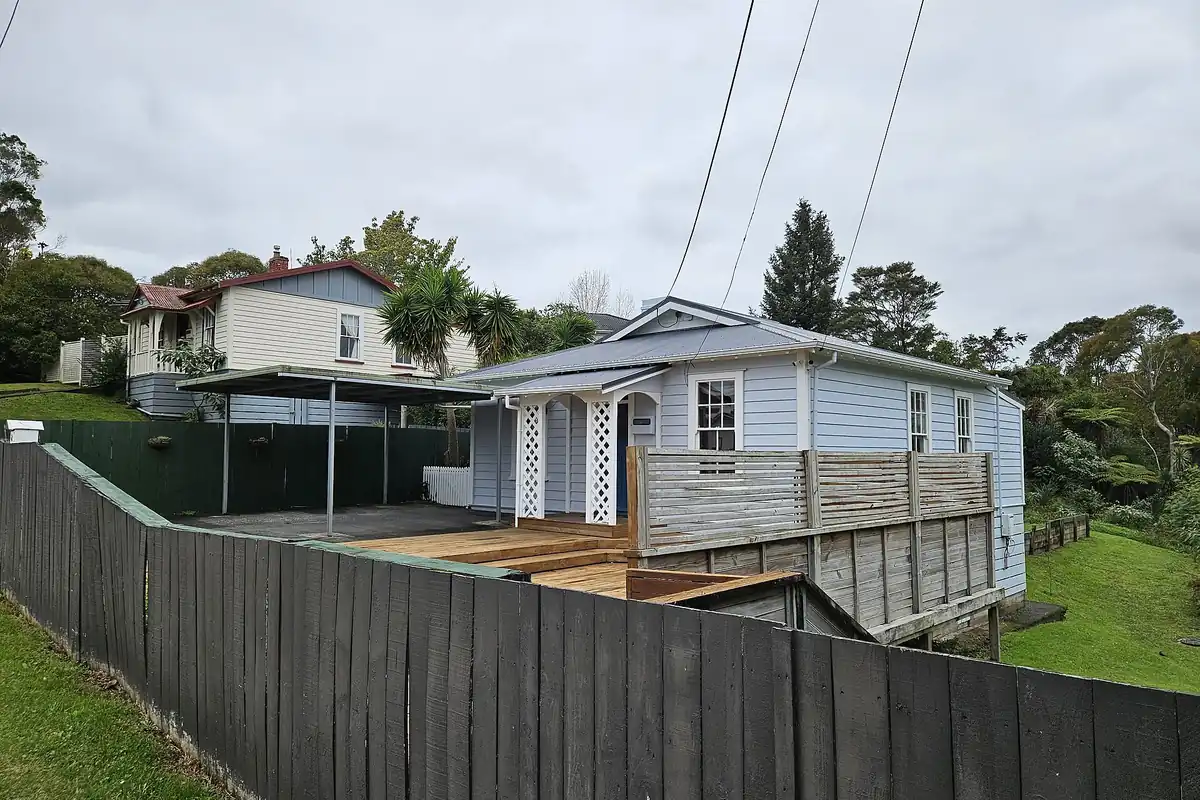
Henderson began as a kauri mill settlement on Te Wai-o-Pareira / Henderson Creek in the 1840s, later known for brickworks, and from the early 1900s for vineyards and Dalmatian family orchards around Lincoln Road, Swanson Road and Sturgess Road. Te Atatū Peninsula, between Henderson Creek and the Whau River, was suburbanised later. The result is a wide spread of housing: a few older cottages, a lot of mid-century and 1960s to 1970s homes, and plenty of late-1990s and 2000s infill. Borer here is often about specific timber rather than whole houses. We arrange a technician to visit anywhere in Henderson, Te Atatū, Lincoln, Massey, Glendene or Sunnyvale, and quote in writing. For the method, see how to treat borer.
Which West Auckland houses tend to have borer?
The West Auckland houses that tend to have borer are older timber cottages and early bungalows, houses with native timber floors under carpet, and houses built during the late 1990s to 2004 window when builders could use untreated kiln-dried framing. Mid-century and 1970s houses with boron-treated framing are less often affected, though their sheds, garages and later additions can be.
| House | Where to look |
|---|---|
| Older cottage or bungalow | Subfloor, roof framing, native floors |
| 1960s to 1970s house | Floors under carpet, additions, sheds |
| Late 1990s to 2004 build or infill | Roof trusses and subfloor framing for untreated timber |
| Newer build from 2004 consents | Usually only furniture or salvaged timber |
Why does the untreated-framing window matter here?
The untreated-framing window matters here because Henderson, Massey and the surrounding area saw a lot of building in the 1990s and 2000s. Untreated kiln-dried framing was allowed from September 1995, written into the Building Code's B2/AS1 route in February 1998, and ruled out for consents issued from 1 April 2004. Houses from those years may have untreated roof and wall framing, which borer can attack.
Borer under the floor or in the roof space? Get a written quote
These houses are better known for weathertightness problems than for borer, and if a house from that era has had a leak, damp untreated framing is exactly where borer and rot both do well. Our answer on treated timber explains how to tell what you have.
Do the creeks and estuaries make subfloors damp?
Houses near Henderson Creek, the Whau River and the low ground of the Te Atatū Peninsula can have damper subfloors, particularly on flat sections with clay soil and slow drainage. Before settlement, the creek flats were wetland forest of kahikatea and pukatea, which says something about how wet the ground can be. Damp subfloors speed borer up, so drainage and ventilation are part of the job.
What to check before a treatment:
- Is the subfloor soil bare and damp? A ground moisture barrier helps.
- Are vents blocked by paving, decks or garden beds?
- Do downpipes discharge next to the piles?
- Is any timber touching the ground at steps or decks?
The prevention guide covers each fix.
Who handles borer in a West Auckland rental?
In a rental, whether it's a Te Atatū bungalow or a Henderson townhouse, the landlord handles borer as a repair issue under the Residential Tenancies Act. Tenants should report fresh holes and dust in writing. Under the Healthy Homes standards, landlords also need a ground moisture barrier beneath enclosed suspended floors where reasonably practicable, which helps against borer. The landlord guide explains notice and safe treatment around tenants.
What about sheds, garages and old orchard buildings?
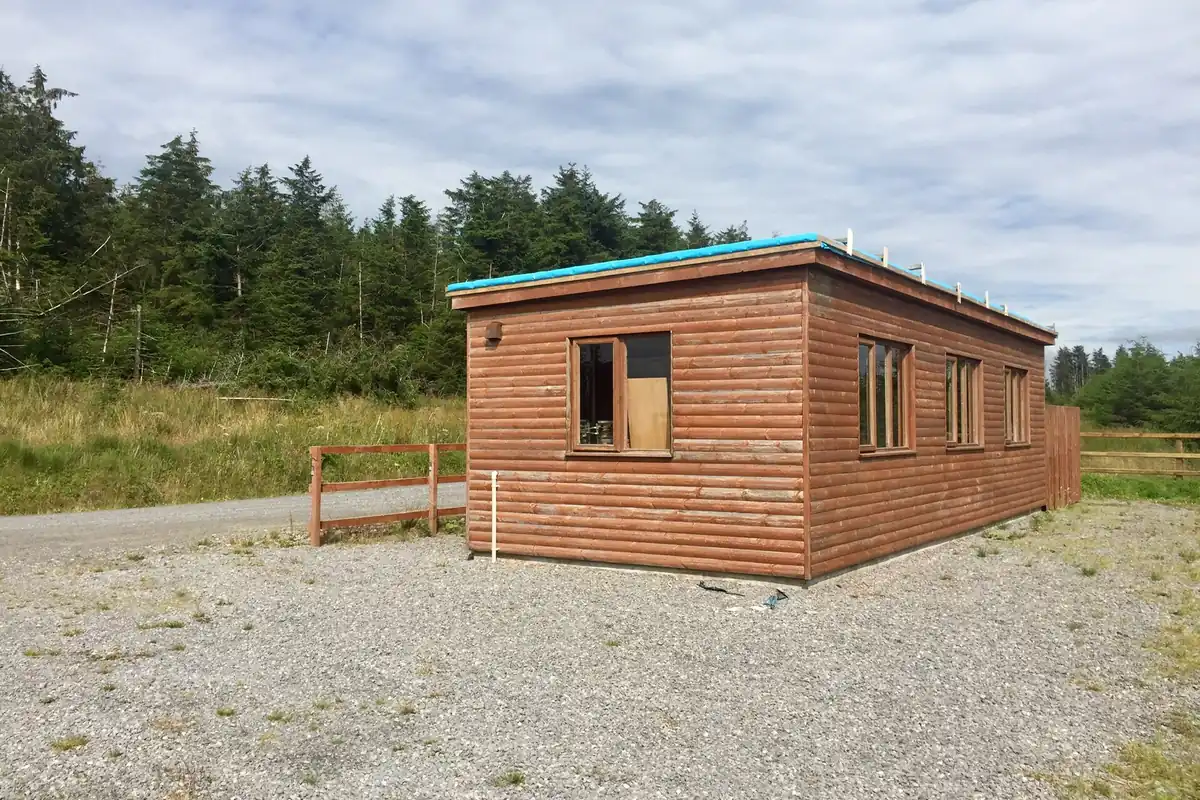
Sheds, garages and old outbuildings on larger West Auckland sections often have borer, especially where they were built from untreated timber decades ago, and stored furniture and firewood can carry it in. Open, unlined framing is easy to treat yourself with a residual product. Our answer on borer in sheds and garages explains how, and when it's worth adding to a house treatment.
What does treatment cost in Henderson and Te Atatū?
Prices follow the published Auckland ranges: roughly $350 to $600 for a roof space, $450 to $750 for a subfloor and around $800 to $1,350 for both. Houses with concrete floors have no subfloor to treat, which changes the job. Your price comes in writing after the visit. See the cost page for what moves a price and what DIY costs.
Questions people ask
Do houses with concrete slab floors get borer?
They can still get borer in roof framing, timber joinery and furniture, but there's no subfloor timber to treat. Check the roof space if you see holes.
Is borer a sign of a leaky building?
Not by itself, but in a house from the late 1990s to early 2000s, borer in damp framing can go with weathertightness problems. Get any signs of leaks checked by a building professional.
Do you cover Massey and Glendene?
Yes. Visits are arranged across West Auckland, including Massey, Glendene, Lincoln, Sunnyvale, Ranui and Swanson.
The treatment methods are the same in every suburb and are explained at Borer Treatment Auckland.