Borer in sheds and garages
An old timber shed is often the first place borer gets noticed, and one of the easiest to treat yourself.
Facts and prices checked 5 November 2026
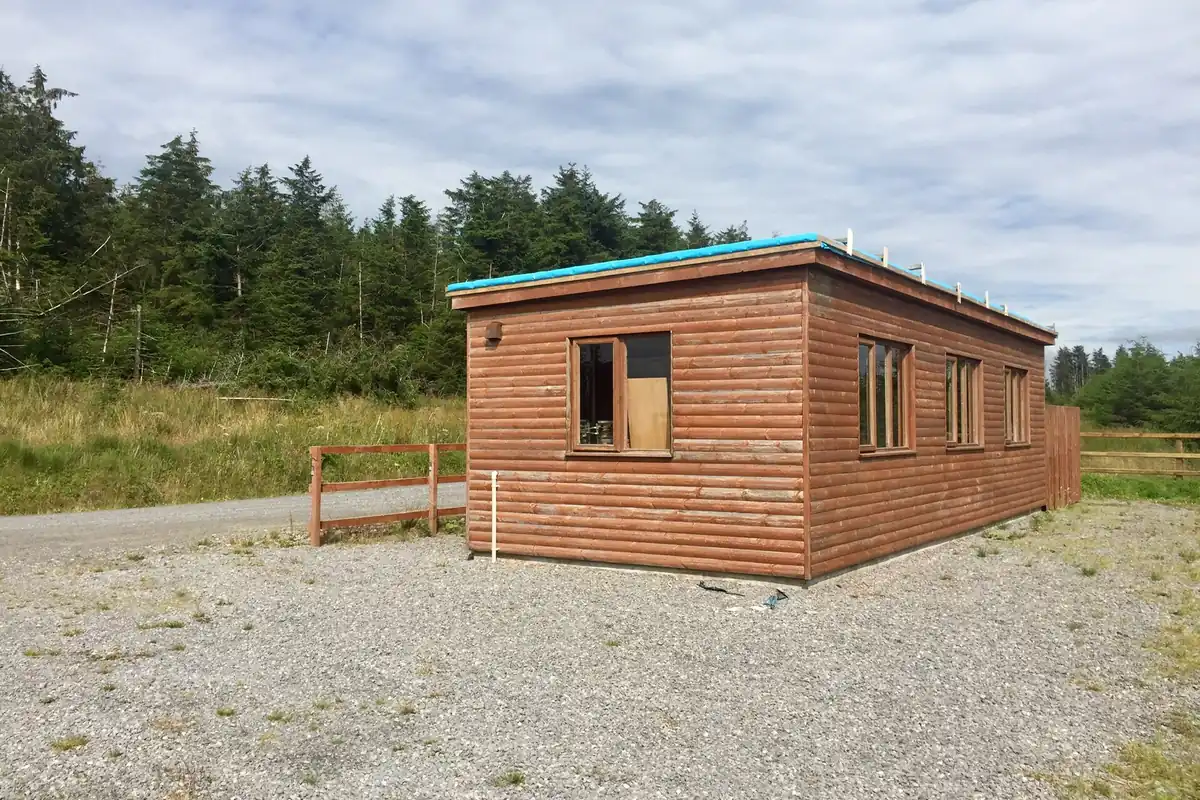
Borer in a shed or garage is usually the easiest borer job there is to do yourself. The framing is often unlined and unpainted, so every stud, rafter and girt can take a residual borer treatment directly, standing up, in good light. Two liberal coats on all the bare timber, with flight holes in any painted doors or trim injected, deals with it. The bigger questions are what's stored inside (furniture, timber, firewood) and whether the same borer is in the house. This answer covers both. Quantities and costs are in the DIY cost guide.
Why do sheds and garages get borer?
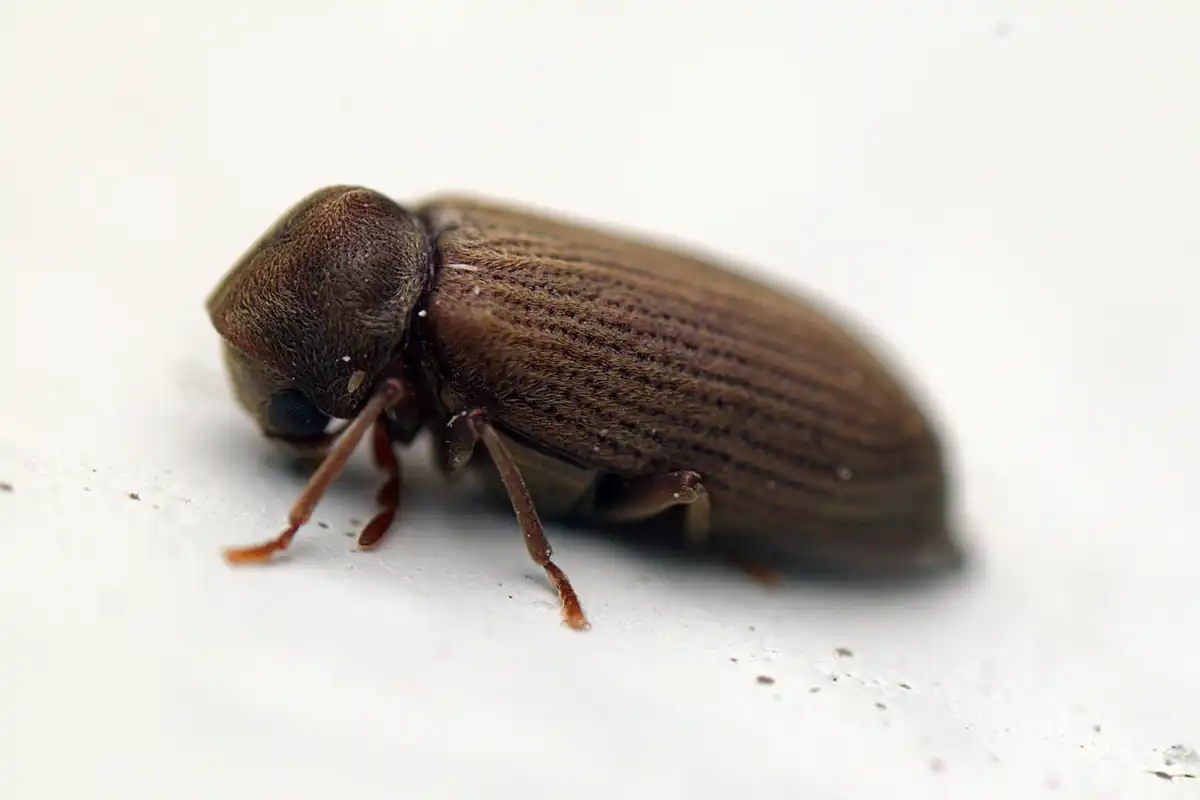
Sheds and garages get borer because many are built from untreated or old timber, they're often damp, and they're full of things borer likes: stored furniture, offcuts, old doors and firewood. Older garages attached to villas and bungalows were usually framed in the same untreated timber as the house. Beetles emerging from stored items then lay eggs on the bare framing around them.
How do you treat a shed yourself?
Treat a shed yourself by clearing the walls, vacuuming the dust and holes, then brushing or spraying a residual borer treatment onto all the bare framing, two coats, with a gap for the first to soak in. Inject holes in painted doors and trim. Treat the underside of a timber floor if you can reach it. Wear gloves, eye protection and a respirator suited to the product, and ventilate well.
- Empty the walls and move stored items outside.
- Vacuum framing, holes and floor.
- Coat all bare timber, working top to bottom.
- Second coat once the first has soaked in, as the label directs.
- Inject flight holes in painted or varnished timber.
- Let it dry with the doors open before putting things back.
| Shed type | DIY difficulty |
|---|---|
| Open, unlined timber framing | Easy; ideal DIY job |
| Lined walls, framing hidden | Harder; treat what you can reach, inject holes |
| Timber floor over soil | Moderate; underside may be hard to reach |
| Attached garage sharing the house's roof | Treat as part of the house roof space |
What about stored furniture and timber?
Stored furniture and timber are often the source of a shed's borer, and they spread it back into the house when they're moved. Check every wooden item for pale holes and gritty dust before putting it back. Treat infested pieces as described in treating borer in furniture, and store timber off the floor and away from walls.
Borer under the floor or in the roof space? Get a written quote
Firewood stored in a shed over summer can produce emerging beetles too. See borer in firewood and recycled timber.
Does borer in the shed mean borer in the house?
Borer in the shed doesn't automatically mean borer in the house, but it's a good reason to look. If the shed and house are similar ages and timbers, the house may well have it in the subfloor or roof space. An attached garage is effectively part of the house. Check the house with a torch in the flight season, especially the subfloor nearest the shed.
If you find it there too, the subfloor treatment page explains what a treatment involves.
When is it worth getting a shed treated professionally?
It's worth getting a shed treated professionally when it's part of a bigger job (the house is being treated anyway), when the framing is lined and hard to reach, or when you'd rather not handle insecticide. On its own, an open timber shed rarely needs a professional. Adding it to a house treatment is often a small extra on the written quote.
The DIY mistakes answer lists the shortcuts to avoid if you do it yourself.
Questions people ask
How much borer treatment does a shed need?
A small garden shed's framing might be 20 to 30 square metres of timber surface. At about 10 square metres per litre of mixed product per coat, two coats need 4 to 6 litres of mix, which is one or two 500 ml concentrates.
Should I pull down a shed with borer?
Usually not. Treat it and replace any soft or broken members. Only badly decayed sheds, where rot rather than borer is the main problem, need replacing.
Can I treat a shed in winter?
Yes. A residual treatment works whenever it's applied, as long as the timber is dry enough to absorb it. Pick a dry day and leave the doors open while it dries.
Short answers like this one feed into Auckland borer treatment, which sets out every option from DIY to a professional visit.