Nine DIY borer treatment mistakes
Most DIY borer jobs that fail don't fail because of the product. They fail because of where and when it went on.
Facts and prices checked 5 November 2026
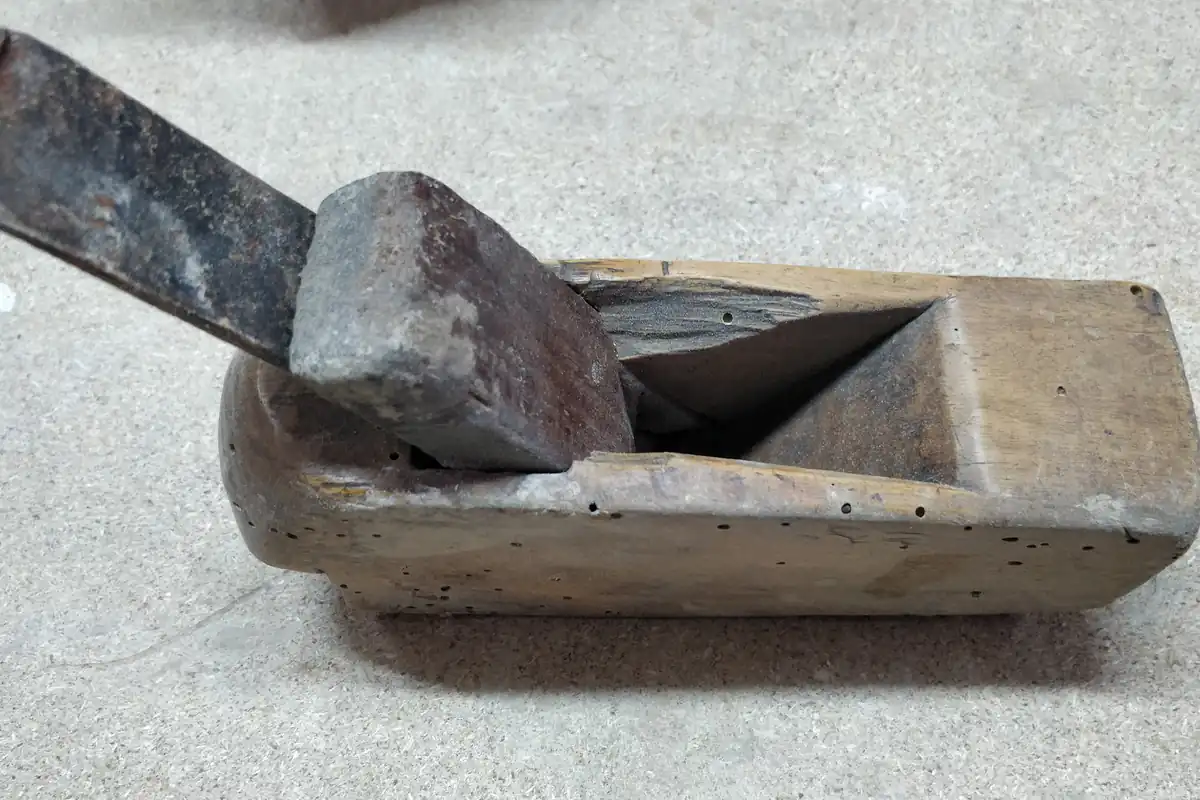
The most common DIY borer mistakes are spraying a surface treatment onto paint or varnish (it can't soak in), applying one thin coat instead of two liberal ones, relying on a fogger alone, treating long-dead borer while missing the live patch, ignoring damp, and filling holes before you know the borer has stopped. Each one wastes product or time, and several leave the borer exactly where it was. This answer goes through nine, with the fix for each. The right order of work is in how to treat borer.
Mistakes about where the product goes
The biggest mistakes are about where the product goes. Residual borer treatments are made for bare, unsealed timber, so a coat on painted skirtings or a varnished floor just sits on top. Missing the hidden faces is just as bad: borer lays eggs on the bare undersides of boards, the backs of weatherboards and the roof framing, which are the faces DIY jobs most often skip.
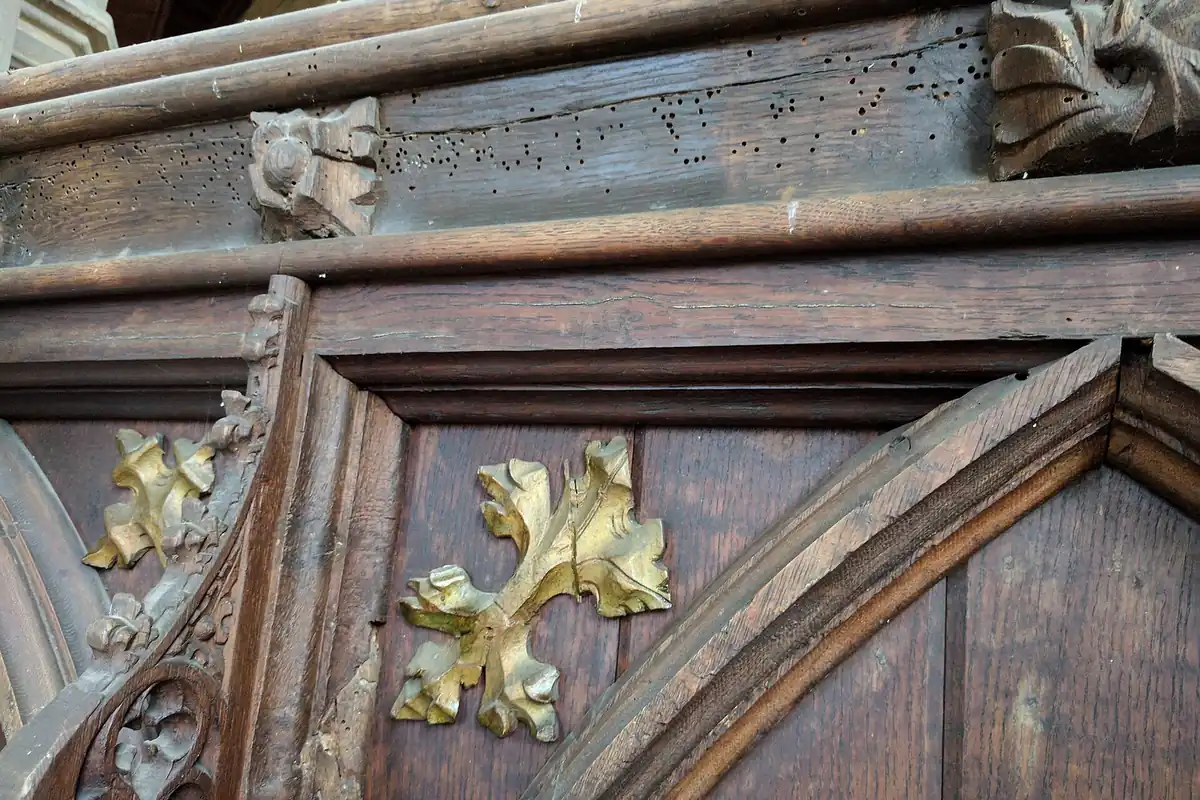
- Spraying painted or varnished timber. Inject the flight holes instead; see flight-hole injection.
- Treating only what you can see from inside. The subfloor and roof space usually hold more borer than the living areas.
- Skipping awkward corners. Gaps in coverage are where the next generation starts.
Mistakes about how much to use
Using too little is the next mistake. Labels typically ask for a liberal coat on all unsealed timber and a second coat once the first has soaked in, often two to six hours later, for the longest protection. A light mist that barely darkens the wood won't last the three to four years borer larvae spend inside it.
- One thin coat. Put on two liberal coats, as the label directs.
- Mixing a big batch and keeping it. One concentrate says to use diluted mix within 48 hours; mix in batches you'll use. Our DIY cost guide helps you work out quantities.
Mistakes about which product
Choosing the wrong product wastes money. A fogger only kills adult beetles in the air on the day; kerosene and turps evaporate and leave nothing behind; fly spray doesn't reach larvae. None of them stop an infestation. A residual surface treatment for bare timber and an injector for finished timber are the two products that reach the larvae and the next generation.
Borer under the floor or in the roof space? Get a written quote
- Fogger only. Use it, if at all, as an extra in the flight season. See do borer foggers work.
- Kerosene or fly spray instead of a borer product. See kerosene, turps and fly spray.
Mistakes about timing and follow-up
Timing mistakes hide whether the job worked. Filling and painting over holes straight after treatment means you can't see new ones, and checking in winter can make live borer look dead. Vacuum before treating, wait through a flight season, and look for fresh dust and holes between December and February before you fill anything for good.
- Filling holes straight away. Wait a season; see filling borer holes.
Mistakes about safety and damp
The last mistakes are about safety and the cause. Working in a hot roof space or tight subfloor without a respirator, eye protection and coveralls is the one with the biggest personal cost. And treating the timber while leaving the damp that drew borer in means the survivors thrive. Fix leaks, lay a ground moisture barrier and clear the vents.
- No protection, no damp fix. Wear what the label asks for, keep pets and children away until dry, and dry the subfloor. The product safety notice and prevention guide cover both.
When is a mistake a sign to stop DIY?
A mistake is a sign to stop DIY when it's about access rather than effort. If you can't reach the timber safely, can't sit up in the subfloor, keep hitting wiring and insulation in the roof, or find borer in many places at once, the job has outgrown a sprayer and a weekend. That's the point where a written quote for the hard areas is worth having.
Questions people ask
Why do I still see borer holes after treating?
Beetles already near the end of their life cycle can still chew out through treated timber soon after treatment. New holes that keep appearing a year or two later usually mean an area was missed, or the treatment went onto a sealed surface.
Can I treat over old borer treatment?
Yes, on bare timber. A fresh coat over an old one does no harm and renews the protection. Follow the label.
Is DIY borer treatment worth it?
For small, reachable, bare timber jobs, usually yes. For whole subfloors and roof spaces, compare the product, gear and time against a quote before deciding.
Short answers like this one feed into Auckland borer treatment, which sets out every option from DIY to a professional visit.