Filling borer holes, the right way round
Treat, wait, then fill. How to make borer holes disappear without hiding a live problem.
Facts and prices checked 5 November 2026
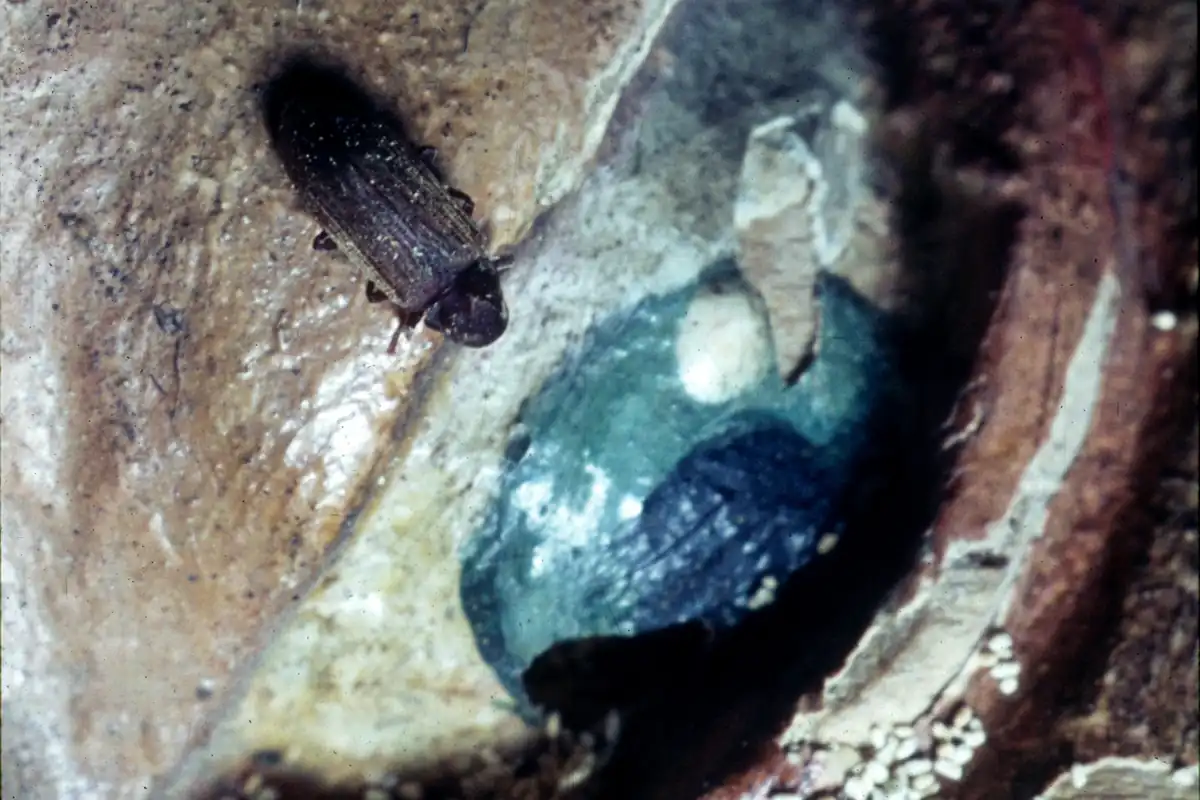
The best way to fill borer holes is to treat the timber first, check through one flight season that no new holes appear, and only then fill with a filler that suits the finish. Filling first hides fresh holes, so you lose the one sign that tells you the borer is still alive. This answer is part of our guide to borer treatment in Auckland, next to our page on borer holes.
Why treat before you fill?
You treat before you fill because filler doesn't kill anything. Larvae keep feeding behind it, and new adults chew straight through it or beside it. Residual borer treatments also need bare wood to soak into, and filler and paint both block that. Treating first, then filling, protects the timber and keeps the evidence until you know the job worked.
The order:
- Treat the bare timber with a residual product, or inject the holes if the timber is finished.
- Wait through a flight season, mainly November to January, and look for fresh holes or dust.
- Fill once nothing new has appeared.
- Finish with paint, stain or varnish.
What is the best filler for borer holes?
The best filler for borer holes depends on the finish. For timber you'll paint, use a sandable exterior or interior wood filler and prime over it. For clear-finished floors and furniture, use a tinted wood putty or a filler mixed with fine sanding dust from the same timber, so the patches blend in. Wax filler sticks suit small holes in polished furniture.
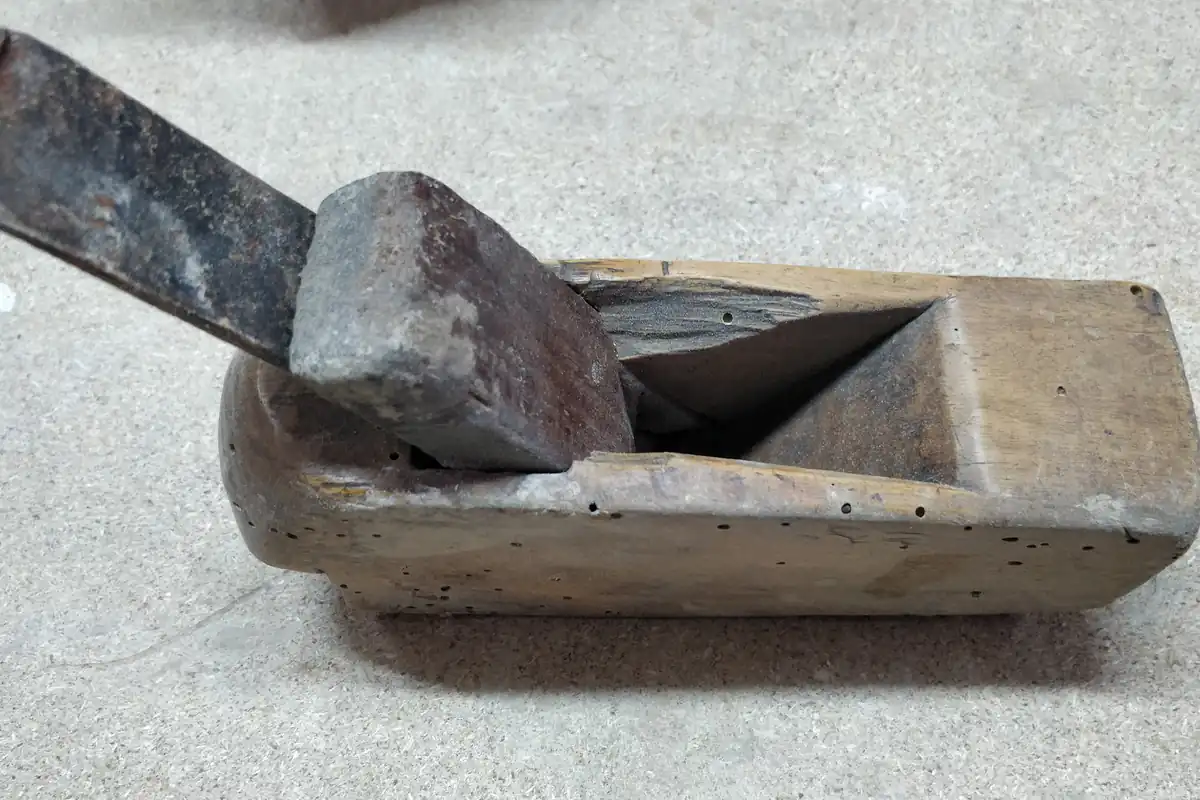
| Where the holes are | Finish | Filler that suits |
|---|---|---|
| Painted weatherboards, sills, trim | Paint | Sandable wood filler, then primer and paint |
| Floorboards under polyurethane | Clear | Tinted putty or a matching wood filler |
| Polished furniture | Wax or lacquer | Coloured wax filler sticks |
| Interior trim to be stained | Stain | Stainable wood filler, tested first |
How do you fill borer holes before painting?
To fill borer holes before painting, make sure the borer has been treated and checked first. Then clean out loose dust, press a sandable wood filler into the holes, let it cure fully, and sand it flush. Spot-prime the filled areas before painting, because bare filler can show through as dull patches. On exterior boards, use an exterior-grade filler.
Painting doesn't kill borer. A good paint film does make bare-wood egg-laying harder on that surface, but larvae already inside keep going. That's why the treatment comes first.
Borer under the floor or in the roof space? Get a written quote
When should you not fill borer holes?
Don't fill borer holes in timber that's soft, crumbles under a screwdriver, or sags under load. Filler hides damage but adds no strength, and weakened joists, bearers or boards need strengthening or replacing, as Consumer NZ advises. Don't fill holes you haven't checked for fresh activity either. And on weatherboards, holes often mean more damage behind them than you can see.
If the holes are in a floor you're about to sand, see treating borer in timber floors for the order of work, and does painting stop borer before you repaint.
Can you fill borer holes in furniture?
Yes. Treat the piece first, by injecting the holes and treating any bare wood, then wait to make sure no fresh holes appear. Fill with a coloured wax stick or a tinted putty that matches the finish, and buff it in. For valuable or antique pieces, ask a furniture restorer before you fill anything.
Questions people ask
Can you paint over borer holes?
You can paint over borer holes once the borer has been treated and you've checked it's no longer active. Fill the holes, sand flush and prime before painting so the patches don't show. Painting over active borer only hides the next holes for a while.
Does filling borer holes stop borer?
No. Filling borer holes is cosmetic. It doesn't reach the larvae in the timber and doesn't protect the surface from new eggs. Only a residual treatment on bare wood, or injection into the holes, deals with the borer itself.
Should I fill borer holes in floorboards?
Fill borer holes in floorboards only after treating and checking them, and only if the boards are still firm. In clear-finished floors, use a tinted filler that matches the timber. Boards that flex or crumble need replacing rather than filling.
How long should I wait after treatment before filling?
Wait through at least one flight season after treatment, mainly November to January for the common house borer. If no fresh holes or dust appear in that time, it's reasonable to fill. If new holes do appear, treat again before you fill.