Treating borer in the roof space
Rafters and ceiling joists are bare, warm and rarely visited, so borer works there unnoticed. Here's how the roof void gets treated safely.
Facts and prices checked 5 November 2026
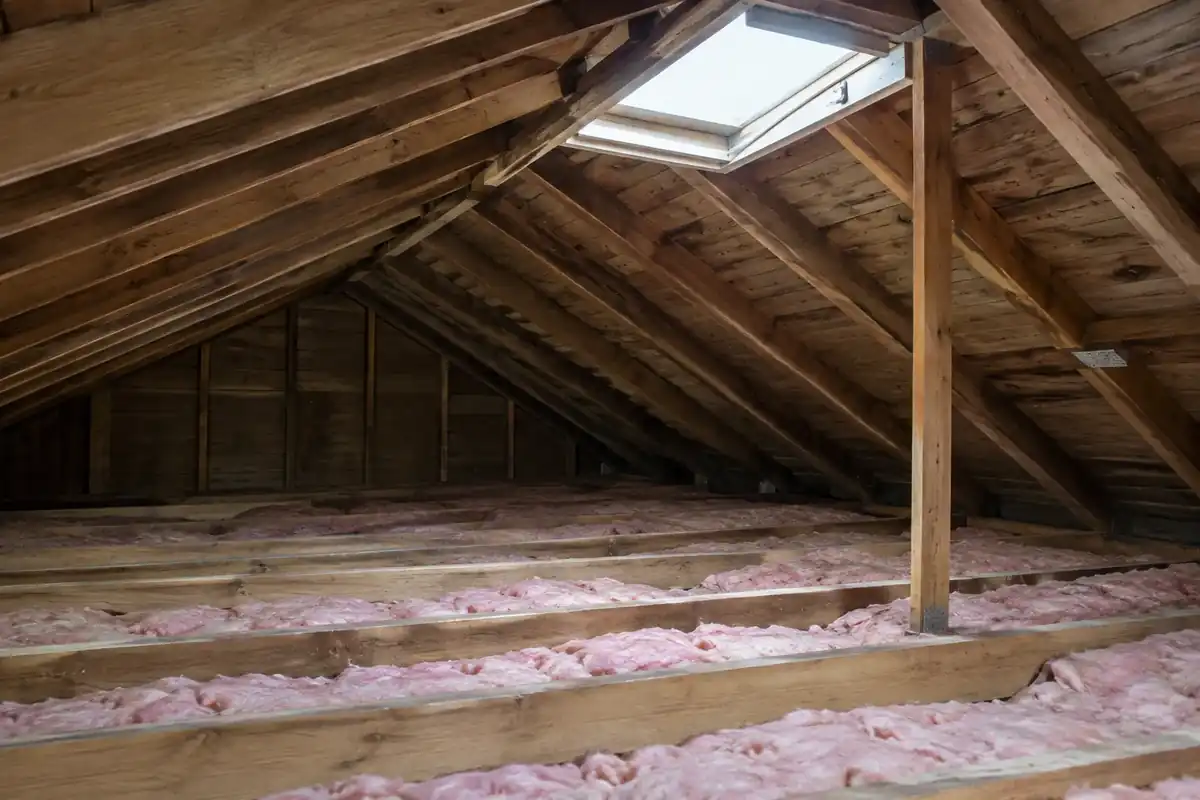
Roof space borer treatment puts a residual insecticide onto the bare timber above your ceiling: rafters, purlins, ceiling joists, top plates and any timber sarking. Like the subfloor, the roof void is unpainted and undisturbed, so borer can build up there for decades before anyone looks. The treatment stays on the surface for years and stops each new generation. This page covers what's involved, why the roof is awkward, and what it usually costs. It sits alongside subfloor treatment in our guide to how to treat borer.
How do you know there's borer in the roof space?
You usually find roof-space borer by looking with a good torch. The signs are small round holes about 1 to 2 mm across in rafters and joists, fine gritty dust on the ceiling linings or insulation below them, and in summer, small brown beetles near the hatch or upstairs windows. Pale, sharp-edged holes are recent; dark, dusty ones are old.
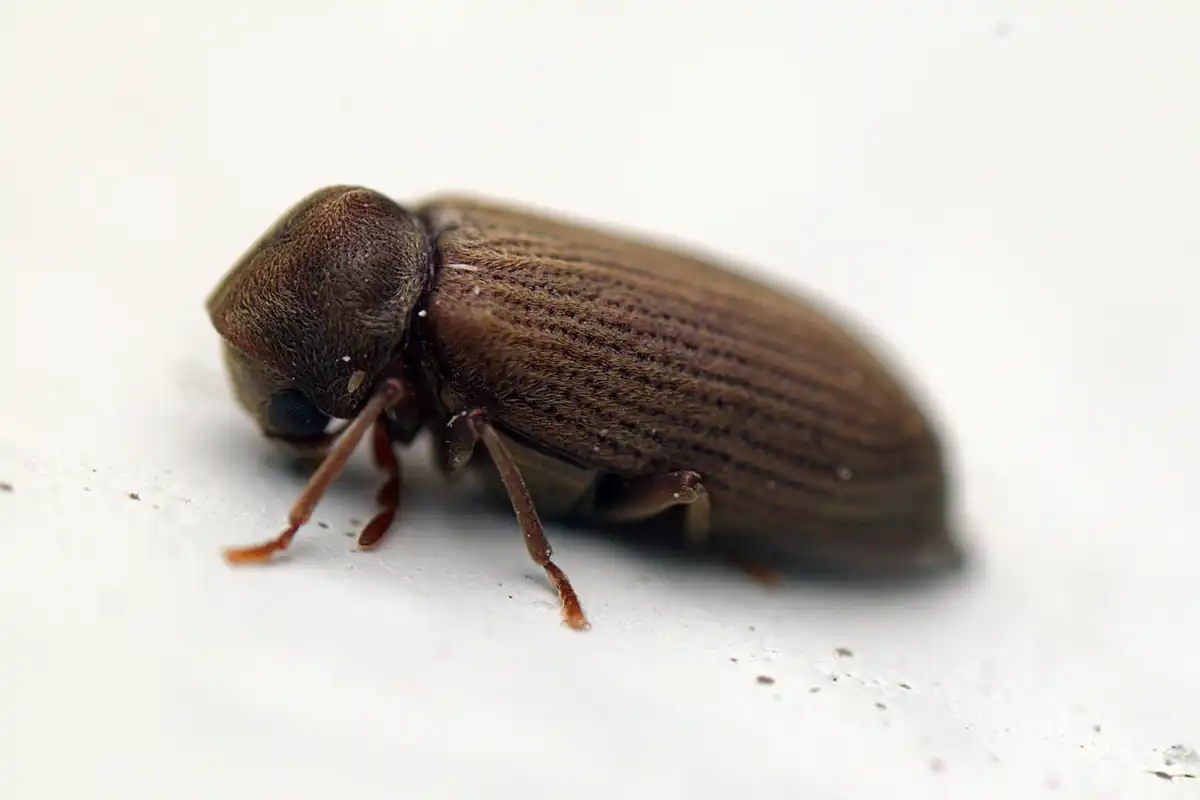
Older Auckland villas and bungalows often have native timber sarking under the iron, and that is a favourite place for borer. In a house built with untreated kiln-dried framing (the window ran roughly from the late 1990s to 2004), the roof framing can be affected even though the house is fairly new. Our page on borer holes helps you judge whether the borer is still active.
How is a roof space treated?
A roof space is treated by spraying or brushing a residual borer product onto every reachable bare timber surface, usually two coats. The technician works from the ceiling joists, keeps weight off the linings, and treats the rafters, purlins and sarking before working back towards the hatch. Insulation is lifted or worked around rather than soaked.
What a treatment visit covers:
- A look over the whole void first, with a written quote before treatment starts
- Rafters, ceiling joists, purlins, ridge board and timber sarking
- Gable ends and the tops of internal walls where they can be reached
- Notes on anything that's building work rather than treatment, such as split or soft members
Why is roof space work harder than it looks?
Roof space work is harder than it looks because of heat, headroom and hazards. In summer an Auckland roof void can get extremely hot by late morning. Low pitches leave little room to move, ceiling linings won't take a knee, and old wiring, downlights and insulation sit exactly where you need to put your hands. Spraying overhead also means the mist comes back at you.
Borer under the floor or in the roof space? Get a written quote
That's why many DIY treatments stop at the hatch. If you're going in yourself, go early in the day, use crawl boards across the joists, switch off lighting circuits you'll be working near, wear a respirator suited to the product, eye protection and coveralls, and never lean on the ceiling. WorkSafe's guidance on working at height is worth reading if access involves a tall ladder.
Does insulation change the treatment?
Insulation changes the treatment because it covers the ceiling joists and the timber borer most likes to emerge from. Blanket insulation can be lifted aside and replaced; loose-fill is harder and slower to work around. The ideal time to treat is before new insulation goes in, while every joist face is exposed and easy to coat.
| Roof space situation | What it means |
|---|---|
| No insulation or old thin batts | Fast, full coverage of joists and rafters |
| New blanket insulation | Lift, treat exposed faces, replace carefully |
| Loose-fill insulation | Mainly rafters and sarking; joists partly covered |
| Very low pitch | Long wands, slower work, sometimes partial access |
| Insulation upgrade planned | Treat first, then insulate |
Is a roof fogger enough on its own?
A roof fogger isn't enough on its own. The mist kills adult beetles that are flying when it's set off, but it leaves no lasting layer on the timber, so larvae already inside keep feeding and the next generation emerges as normal. Foggers can be a useful extra in the flight season, roughly October to March. The residual surface treatment is what lasts. See do borer foggers work.
What does roof space borer treatment cost?
Published Auckland price lists put a roof space borer treatment at roughly $350 to $600. Large roofs, very low pitches and heavy insulation push it towards the top of that range or beyond. Treating the roof space and subfloor together commonly comes to about $800 to $1,350. Your own price is confirmed in writing once the roof void has been seen.
A treatment can also be timed with your seasons: anytime suits a residual product, but spring is popular because it's cooler in the roof and just before the main flight period. Our treatment timing guide explains why, and the cost page compares DIY and professional figures.
Questions people ask
Does roof space treatment smell inside the house?
Water-based permethrin products have little smell once dry, and most of what you notice fades as the product soaks in. Solvent or kerosene mixes smell much more and for longer. Keep the hatch closed and ventilate the roof space while the product dries.
Can the treatment get on my ceilings?
It shouldn't if the work is done carefully from the joists. Spraying is aimed at the timber, not the back of the linings, and drips are kept off light fittings and downlights. Mention any recent ceiling repairs before treatment starts.
Do I need both roof space and subfloor treated?
Not always. If borer shows only in one area, treating that area may be enough. Borer that's active in the floor and the roof needs both, and many older houses have some in each. The written quote will say which areas need treatment and why.
Where this method sits among the others is laid out on our main page for borer treatment across Auckland.