Papakura: borer from the old township to new subdivisions
An old southern township on former wetland and kauri country, now ringed by post-war and brand-new housing.
Facts and prices checked 5 November 2026
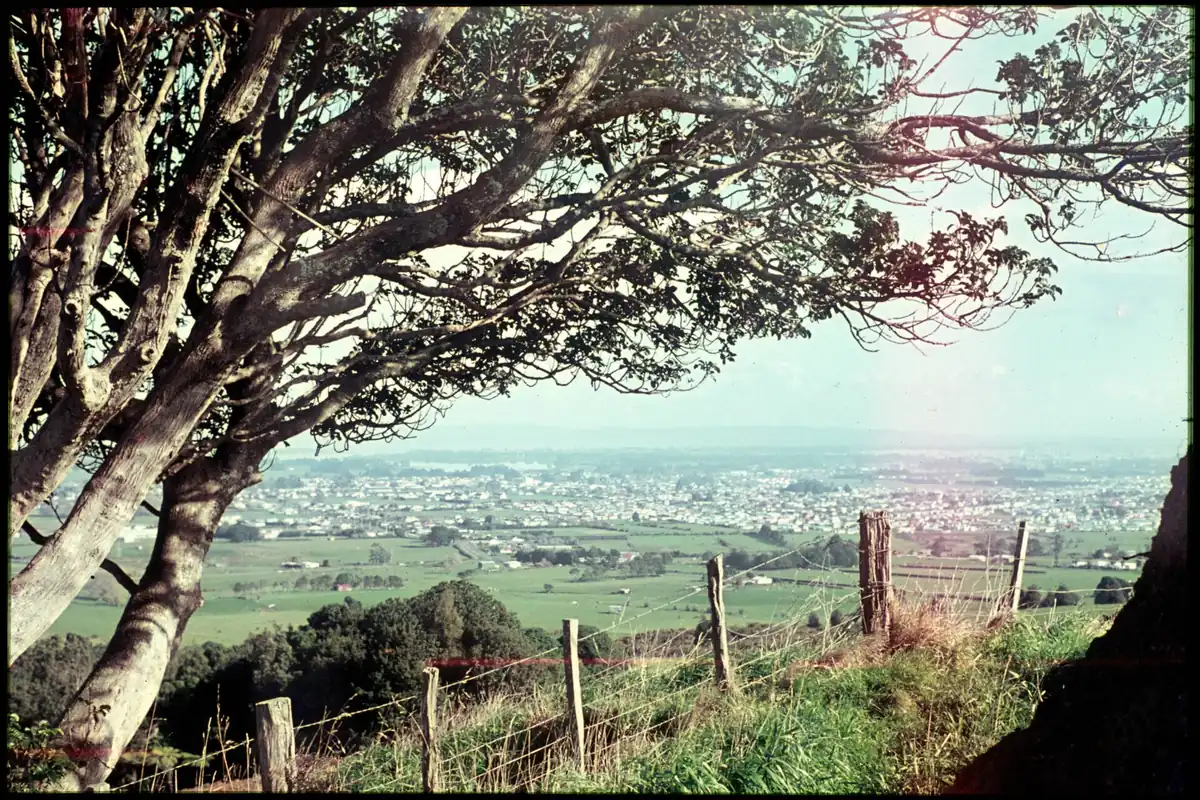
Papakura's township was laid out after land was subdivided in 1853, and the street pattern from then largely survives. It grew through the kauri gum and timber trades, then dairying, and urbanised from the 1950s as the Southern Motorway arrived; the motorway over the Pahurehure Inlet opened in 1965. The Papakura Military Camp has been on the town's outskirts since 1939. Before settlement, northern Papakura and Takanini were wetland and peat bog. For borer, that means old timber in the township, post-war houses around it, and some damp ground underneath. We arrange a technician to visit anywhere in Papakura, Takanini, Pahurehure, Red Hill, Rosehill or Drury, and quote in writing first. See how to treat borer for the method.
What housing in Papakura is most at risk?
The Papakura housing most at risk from borer is the older timber housing near the original township and the main roads, plus post-war houses with native timber floors or untreated additions. Houses from the 1950s to 1970s often have boron-treated framing, but not every piece of timber in them. Garages, sheds and sleep-outs built from offcuts are common places to find borer.
Newer subdivisions in Takanini and around Papakura's edges are mostly built with treated framing and concrete slabs, so borer in them is rare. Furniture brought from an older house is the usual exception.
How does peat and wetland ground affect a house?
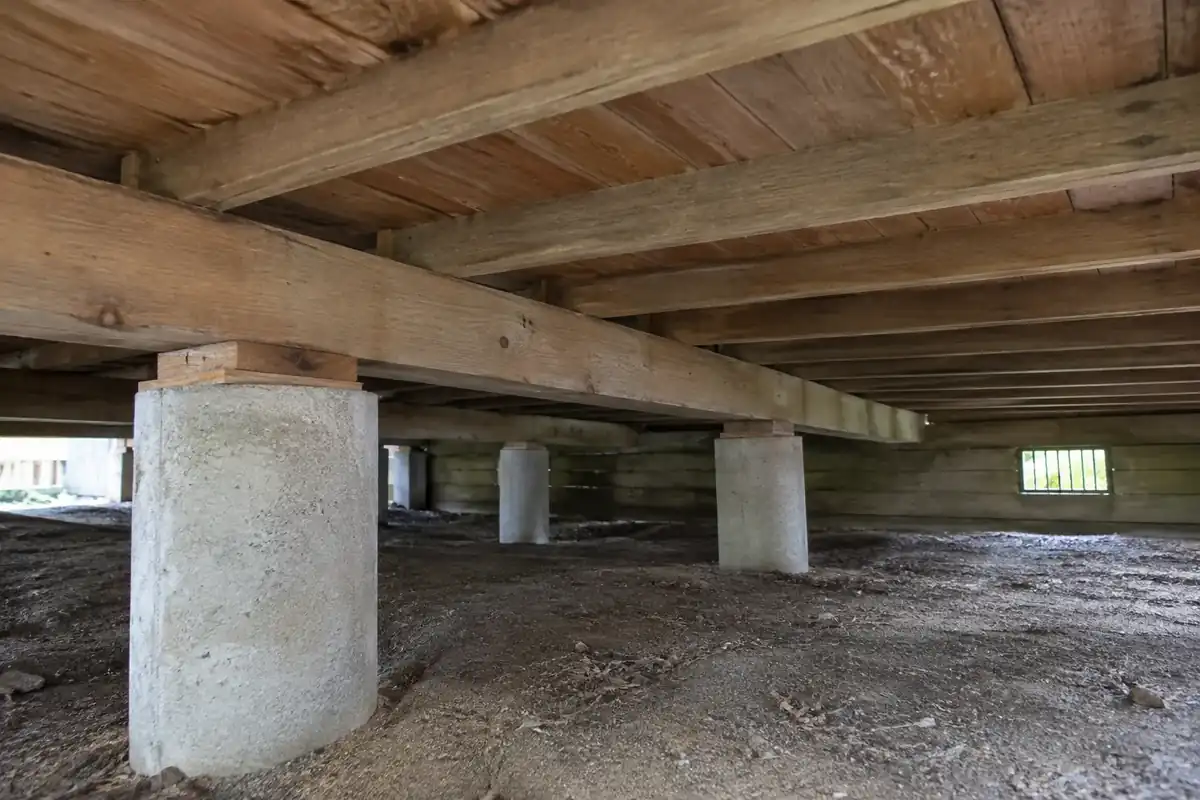
Peat and former wetland ground can keep subfloors damp, and parts of Takanini and northern Papakura sit on exactly that kind of ground. High water tables and slow drainage mean humid air under suspended floors, and borer larvae develop fastest in humid timber. Huhu and rot follow wet timber too. A ground moisture barrier and clear vents are worth more on these sites than almost anywhere.
| Site | What to check |
|---|---|
| Low, flat sections on former wetland | Standing water or damp soil under the floor |
| Older houses on timber piles | Pile tops, bearers and their contact with soil |
| Houses with added decks | Blocked subfloor vents behind the deck |
| Concrete slab houses | Roof framing and joinery only |
The prevention guide and subfloor treatment page cover how to dry a subfloor and treat it.
Does the volcanic ground near Pukekiwiriki matter?
To the east of Papakura is Pukekiwiriki, an old basalt volcano in the South Auckland volcanic field whose lava flowed west towards the town. Sections on that higher, rockier ground generally drain better than the lowland flats. Better drainage slows borer down, but it doesn't stop it in untreated timber, so the subfloor and roof checks still apply.
Borer under the floor or in the roof space? Get a written quote
What about rental housing in Papakura?
In rental housing, borer is the landlord's repair responsibility under the Residential Tenancies Act, and tenants should report fresh holes and dust promptly. Under the Healthy Homes standards, landlords need a ground moisture barrier beneath enclosed suspended floors where reasonably practicable, which is especially useful on damp southern sites. Our landlord guide covers notice for entry and safe treatment around tenants.
Is borer in a 2000s house worth investigating?
Borer in a house built in the late 1990s or early 2000s is worth investigating, because untreated kiln-dried framing stayed permissible for new building consents until 1 April 2004. Check the roof trusses and any subfloor framing for holes and missing treatment colouring. Our answer on treated timber explains what to look for.
What happens at a Papakura visit?
At a Papakura visit, the technician looks at the subfloor, roof space and any timber with holes, notes damp and soft timber, and gives you a written price before any treatment. Parking is usually easy. Mention whether the house is on piles or a slab, where the hatches are, and whether it's tenanted. Keep pets out of treated areas until the product is dry.
What does treatment cost in Papakura?
Prices follow the published Auckland ranges: roughly $350 to $600 for a roof space, $450 to $750 for a subfloor and about $800 to $1,350 for both. Small, easy houses sit at the lower end; damp, low subfloors and lots of injection push it up. Your price is confirmed in writing after the visit. The cost page has the DIY comparison.
Questions people ask
Does Papakura's damp ground cause borer?
Damp doesn't create borer, but it helps it. Larvae develop faster in humid timber, and damp subfloors also attract huhu and rot. Drying the subfloor is a big part of control.
Do new Takanini houses need borer treatment?
Rarely. They're built with treated framing and often on slabs. Check any second-hand furniture or salvaged timber brought into them.
Do you cover Drury and Red Hill?
Yes. Visits are arranged across the Papakura area, including Drury, Red Hill, Rosehill, Pahurehure, Conifer Grove and Takanini.
The treatment methods are the same in every suburb and are explained at Borer Treatment Auckland.