Can borer get into treated timber?
Treated framing is the main reason modern houses rarely get borer. It isn't a force field, though, and some newer houses weren't built with it.
Facts and prices checked 5 November 2026
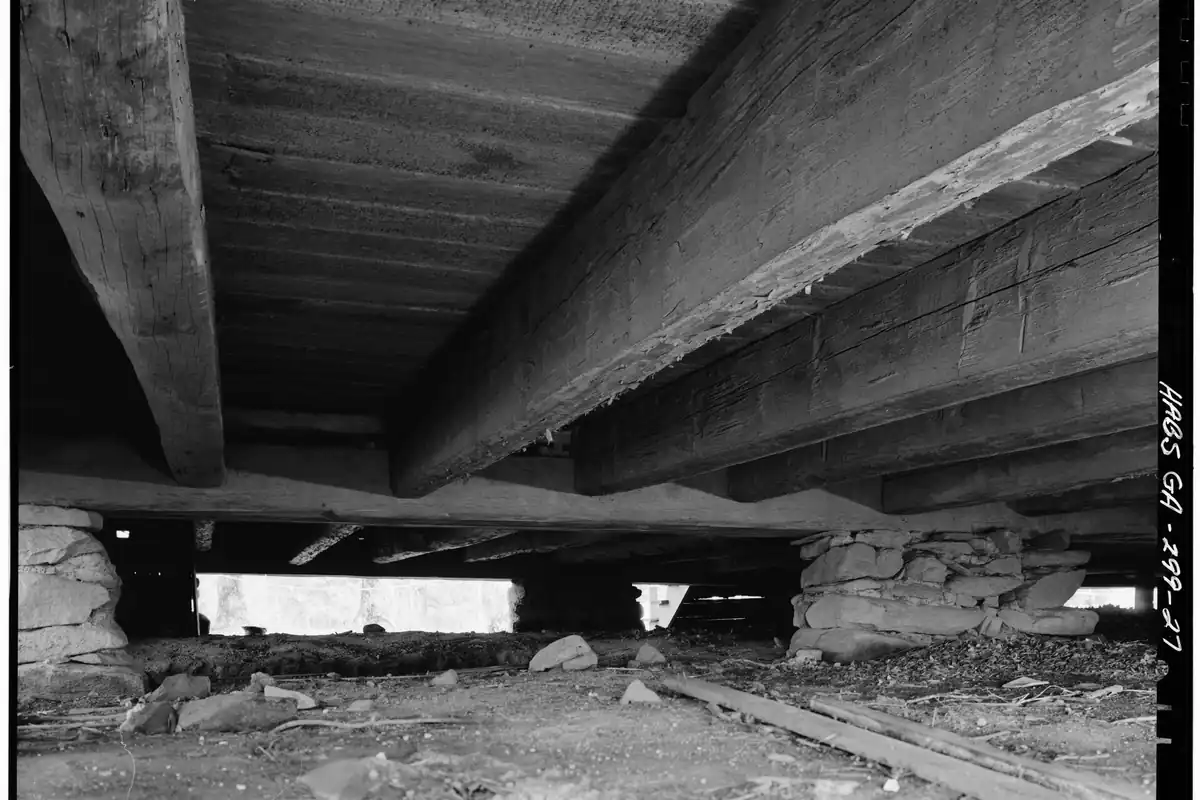
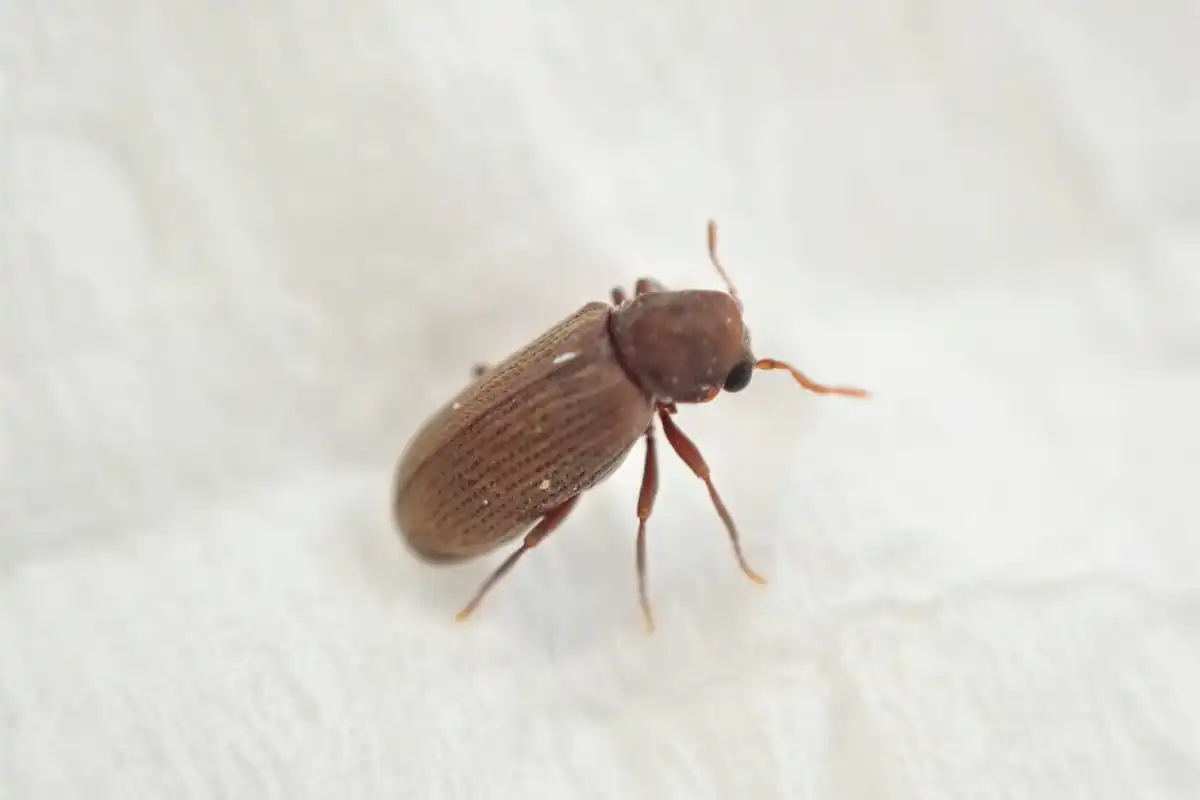
Borer rarely gets into properly treated timber. H1.2 boron-treated framing is treated to resist insects, borer included, and NZFFA says borer in houses dropped sharply once treated timber became universal. The exceptions are untreated cut ends and offcuts, treated timber that has been wet long enough for its boron to leach out, and houses built during the window when builders could use untreated kiln-dried framing, roughly the late 1990s to 2004. Exotic termites are a separate case: MPI says they can damage treated timber. This answer explains each exception. For boron itself, see borate borer treatment.
Is H1.2 framing borer-proof?
H1.2 framing isn't borer-proof, but it is treated to resist borer, and in dry conditions that resistance is strong. BRANZ notes that boron has a long track record of effective protection against insects and fungi. The weaknesses come from what happens after treatment: cutting, wetting, and mixing in untreated pieces. Sound, dry H1.2 framing doesn't normally need any extra borer treatment.
Which houses might have untreated framing?
Houses built between the late 1990s and 2004 might have untreated framing. Standards New Zealand's timeline shows builders could use untreated kiln-dried framing after September 1995 under NZS 3602:1995, written into the Building Code's B2/AS1 route in February 1998, and ruled out for consents issued from 1 April 2004. Some homes consented earlier were finished with it until 1 April 2005.
| Era | Typical framing |
|---|---|
| Before about 1952 | Untreated native timber (rimu, kauri, matai) or early pine |
| 1950s to mid-1990s | Boron-treated framing widely used |
| About 1995/1998 to 2004/2005 | Untreated kiln-dried framing allowed and used in some houses |
| From 1 April 2004 consents | Treated framing required; H1.2 boron standard from 2011 |
Older houses with untreated native timber are the main borer hosts in Auckland. Houses from the untreated window are known mostly for leaky-building problems, but their roof and subfloor framing can also be checked for borer.
How can you tell if timber is treated?
You can often tell if framing is treated from its colour and markings. H1.2 boron timber is dyed pink so it can be recognised, and treated timber is usually branded or tagged with its hazard class. Untreated older timber has no colouring and no marks. Weathering and dust can hide colour, so look at a fresh-looking face in the roof space or subfloor. If in doubt, a builder can usually tell from age and markings.
Borer under the floor or in the roof space? Get a written quote
What weakens treated timber's protection?
Three things weaken treated timber's protection: cutting, wetting and mixing. Cut ends and notches can expose less-treated inner wood. Boron is water-soluble, so BRANZ notes it can leach out if treated timber is rain-wet for long periods. And repairs made with untreated offcuts or salvaged native timber add borer food next to treated framing. Huhu also follow damp and rot, even in treated timber.
What helps:
- Seal cut ends as the timber supplier recommends
- Keep framing dry: fix leaks quickly and protect timber during building
- Use treated timber for every repair, never untreated offcuts
- Treat salvaged native timber before you build it in
Should you treat treated timber anyway?
You don't normally need to treat sound, dry treated framing. Spend the effort on the untreated timber in the house: old native floor joists, subfloor bearers, roof sarking and anything from the untreated-framing window. If you find active borer in or near treated framing, look for untreated pieces, wet areas or salvaged timber nearby. The roof space and prevention pages explain what to check.
Questions people ask
Can borer get into treated pine?
Rarely. H1.2 treated pine is treated to resist borer. Problems usually come from untreated offcuts, cut ends or timber that's been wet for a long time.
Do I need to worry about borer in a 2000s house?
Possibly, if it was built with untreated kiln-dried framing in the late 1990s to 2004 window. Check the roof and subfloor framing, which are easiest to see, and see subfloor borer treatment if you find fresh holes.
Can termites damage treated timber?
MPI says exotic termites will eat treated timber as well as hardwood and softwood. Report any suspected termites to MPI on 0800 80 99 66.
Short answers like this one feed into treating borer in Auckland homes, which sets out every option from DIY to a professional visit.