Borer products or a specialist: which fits your job?
Walk down the borer aisle with a clear idea of what each product does, and where the shelf runs out.
Facts and prices checked 5 November 2026
The best borer treatment for a New Zealand home is the one that matches where the borer is. Shop products cover three jobs: a residual treatment for bare timber, an injector for flight holes in finished timber, and a fogger that kills flying adults. A specialist adds access, equipment and judgement for subfloors, roof spaces and large areas. This answer is part of our guide to borer treatment in Auckland.
 Play, 3:09
What borer products can you buy in New Zealand?
New Zealand hardware stores sell three kinds of borer product. A residual surface treatment, sold as concentrate or ready to use, soaks into bare timber and keeps protecting it. A flight-hole injector forces insecticide into the tunnels behind paint or varnish. A fogger, often called a bomb, fills a roof space or subfloor with mist to kill adult beetles on the wing.
| Product type | What it reaches | What it misses | Best for |
|---|---|---|---|
| Residual surface treatment | New adults and eggs at the surface, for years | Larvae deep in finished timber | Bare framing, floorboards, sheds |
| Flight-hole injector | Larvae in tunnels behind a finish | Timber with no holes yet | Painted trim, furniture, polished floors |
| Fogger ("bomb") | Adult beetles flying that day | All larvae and eggs | An add-on in flight season only |
One widely sold residual treatment uses permethrin, an insecticide, at 10 g per litre in its concentrate, diluted ten to one with water. Its maker says it protects for many years in normal conditions, and that timber in strong sunlight may need re-treating after about five years.
Do borer bombs work on their own?
Borer bombs work only on adult beetles that are flying when you set one off. The mist doesn't soak into timber, so the larvae inside keep feeding, and next season's adults come out as usual. Consumer NZ says bombs, misting and fogging only kill adults on the wing. Use one as an extra step during the flight season, alongside a residual treatment on bare timber, never instead of it.
When are shop products enough?
Shop products are enough when the borer is in timber you can reach easily and treat properly. That means bare or strippable wood, a small area, and a space you can work in safely. A shed, a few floorboards, a piece of furniture or some exposed trim are all reasonable DIY jobs if you follow the label and check again next flight season.
Signs a DIY job will work:
- You can get to all of it without crawling or balancing on ceiling joists.
- The timber is bare, or you can strip it.
- The area is small enough to treat thoroughly with two coats.
- The wood is still firm. Soft or crumbling timber needs more than a product.
Borer under the floor or in the roof space? Get a written quote
When is a specialist the better choice?
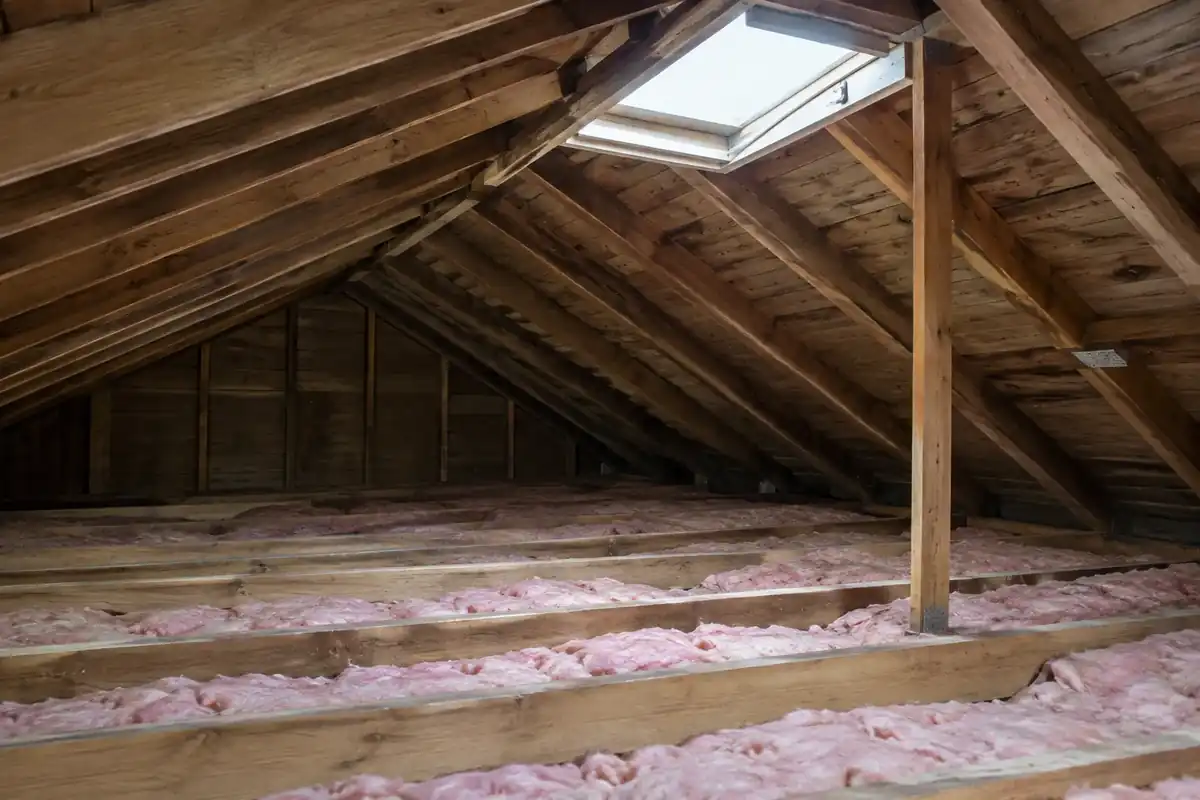
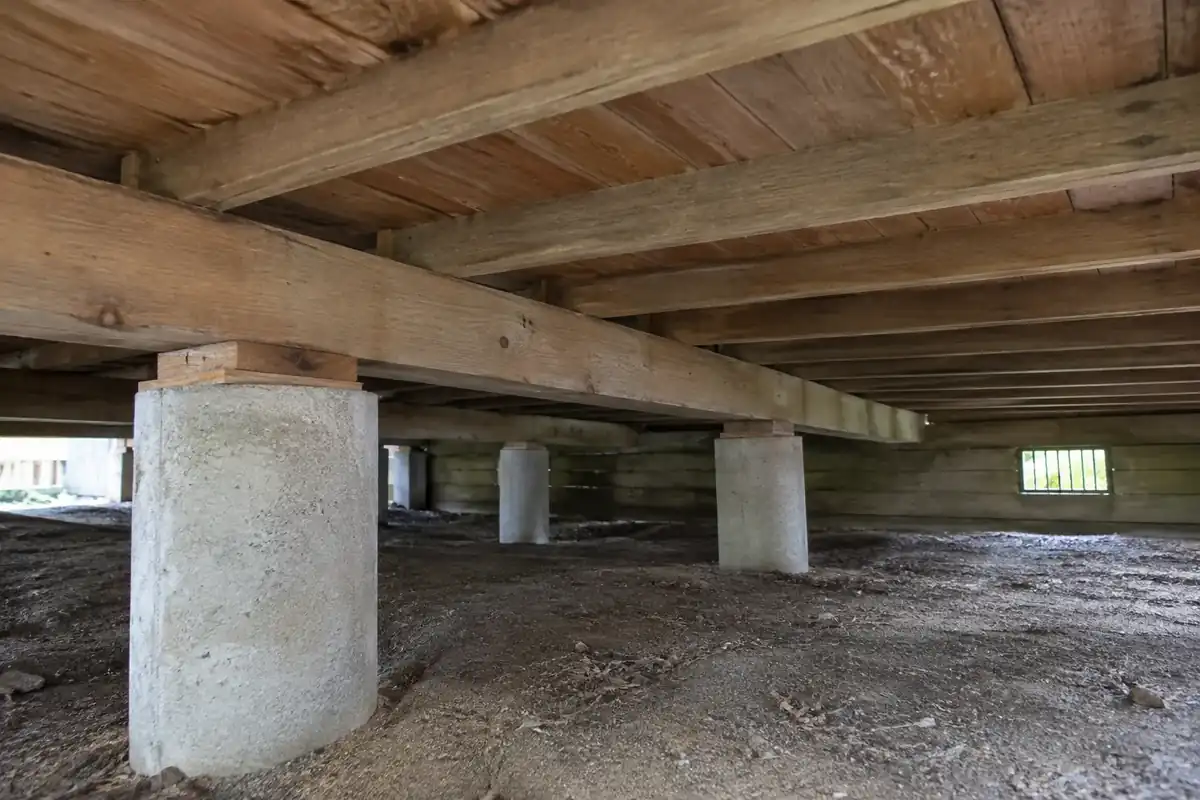
A specialist is the better choice when the borer is in the subfloor, the roof space or the wall framing, when the area is large, or when timber feels soft. Consumer NZ advises that large infestations are best handled by a professional with proper safety equipment. The hard part is rarely the product. It's the access, the coverage and knowing which timber is still sound.
What a specialist brings that the shelf doesn't:
- Access and safety gear for low subfloors and hot, insulated roof spaces.
- Coverage. Every bearer, joist and rafter, not just the ones in reach.
- Judgement on which timber is active, which is old damage, and which needs a builder.
- Products and equipment for scale, applied by someone who uses them daily.
Do you need a qualification to apply borer treatments?
You don't need a licence to buy or use retail borer products in New Zealand. Commercial pest work is different: under the EPA's hazardous substances rules, applying certain urban pest management substances requires the Urban Pest Control strand of the New Zealand Certificate in Pest Operations (Level 3), or another qualification the EPA lists, unless the person works under the guidance of a qualified person.
New Zealand has no general pest controller licence, so ask any business what qualification its applicators hold. Our borer treatment products page explains how to check a product's HSNO approval, and the DIY mistakes answer lists where home jobs usually go wrong.
Fumigation is a separate case. Fumigants need a WorkSafe controlled substance licence, and tented whole-house fumigation isn't standard practice for borer in New Zealand homes.
Questions people ask
What is the best borer treatment in NZ?
The best borer treatment in New Zealand is a residual product on bare timber, plus injection for flight holes in painted or varnished wood. That combination reaches both the larvae in finished timber and each new generation at the surface. Foggers help only during the flight season, alongside those. For subfloors and roof spaces, a specialist treatment covers the most timber.
Does Bunnings or Mitre 10 sell borer treatment?
Yes. New Zealand hardware chains stock borer concentrates, ready-to-use sprays, flight-hole injectors and foggers, usually in the pest control aisle. Some are classed as dangerous goods, so stores may limit quantities or delivery. Read the label for where each product can be used, how much to apply and what protective gear to wear.
Are borer treatments safe for pets and children?
Borer treatments are insecticides, so keep children and pets out of treated areas until the product is dry, as the label for a common product directs. Store containers out of reach and follow the label's directions on protective gear. Our product safety notice covers the basics.
What chemical is in borer treatment?
Retail borer treatments in New Zealand commonly use permethrin, an insecticide, and some timber preservatives use boron compounds. The active ingredient and its concentration are printed on the label. Check that a product is made for wood borer and suits the timber you're treating.