Boron and borate treatments for borer
Boron has protected New Zealand framing from borer for decades. Borate products for existing timber work differently from permethrin, with one big limitation.
Facts and prices checked 5 November 2026
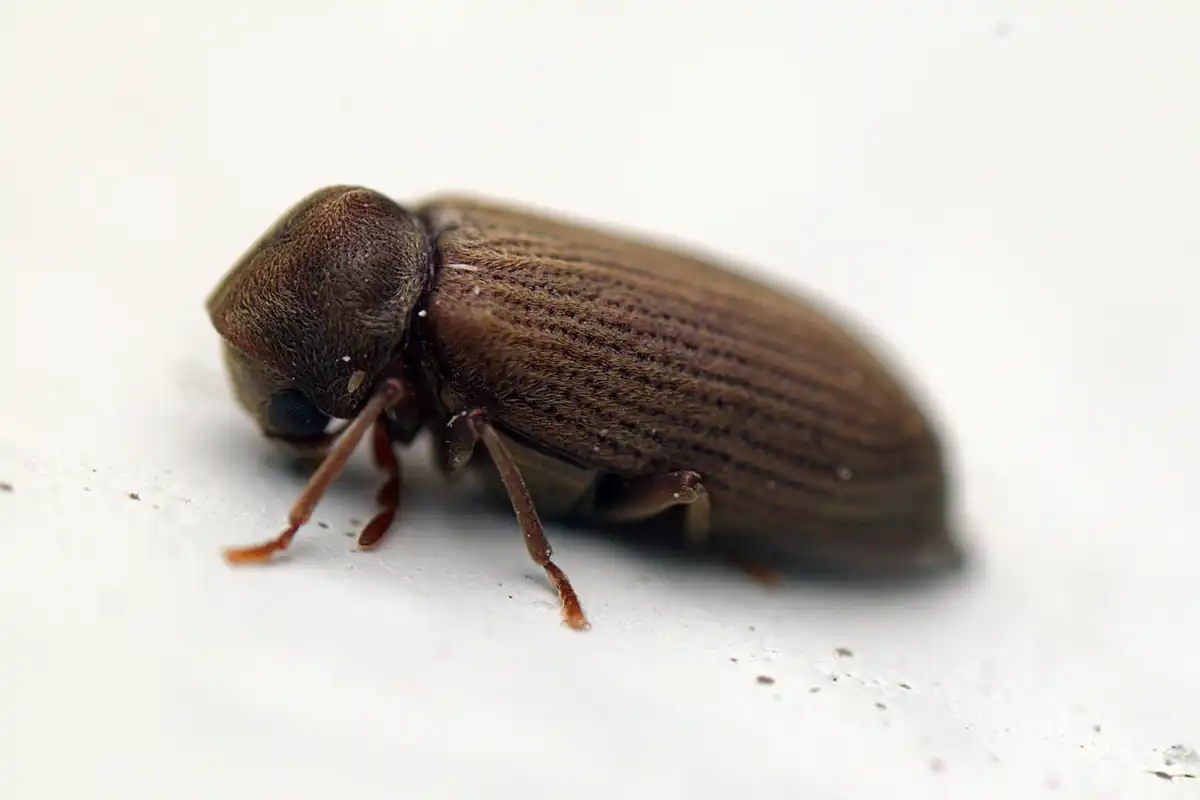
Borate (boron) borer treatments use water-soluble boron compounds that soak into timber and make it poisonous to wood-boring insects. They're the reason modern New Zealand framing resists borer: boric treatment of building timber started here in 1952, and today's H1.2 framing is boron-treated. For existing timber, borate products are applied to bare wood and diffuse in. Their weakness is water: rain or persistent damp can wash boron back out. This page covers where borates make sense, and how they compare with the permethrin products most stores sell.
How do borate treatments work?
Borate treatments work by getting boron into the timber itself. Borer larvae eating treated wood take in the boron and die, and the timber becomes unattractive to new attack. Because borates dissolve in water, they can diffuse from the surface into damp or freshly cut wood. Permethrin, by contrast, sits as a barrier in the outer layer and kills on contact.
That diffusion is the appeal: a borate can reach further into timber than a surface insecticide. It's also the drawback, because the same solubility lets boron leach out of timber that gets wet, which is why BRANZ notes boron-treated framing must be kept dry.
Why is New Zealand framing treated with boron?
New Zealand framing is treated with boron because it protects against insects and decay at low cost. Standards New Zealand's timeline dates wet boric treatment from 1952. Today H1.2 is the boron framing treatment for protected, dry framing, colour-coded pink, and the Code's B2/AS1 route has made it standard since 2011. BRANZ calls boric treatment's record against insects and fungi long and effective.
There was a gap. Untreated kiln-dried framing was allowed from September 1995 under NZS 3602:1995, written into the Building Code's B2/AS1 route in February 1998, and ruled out for consents issued from 1 April 2004 (some already-consented homes were finished with it up to April 2005). Houses built in that window may have untreated framing. See can borer get into treated timber.
Where do borate treatments suit, and where don't they?
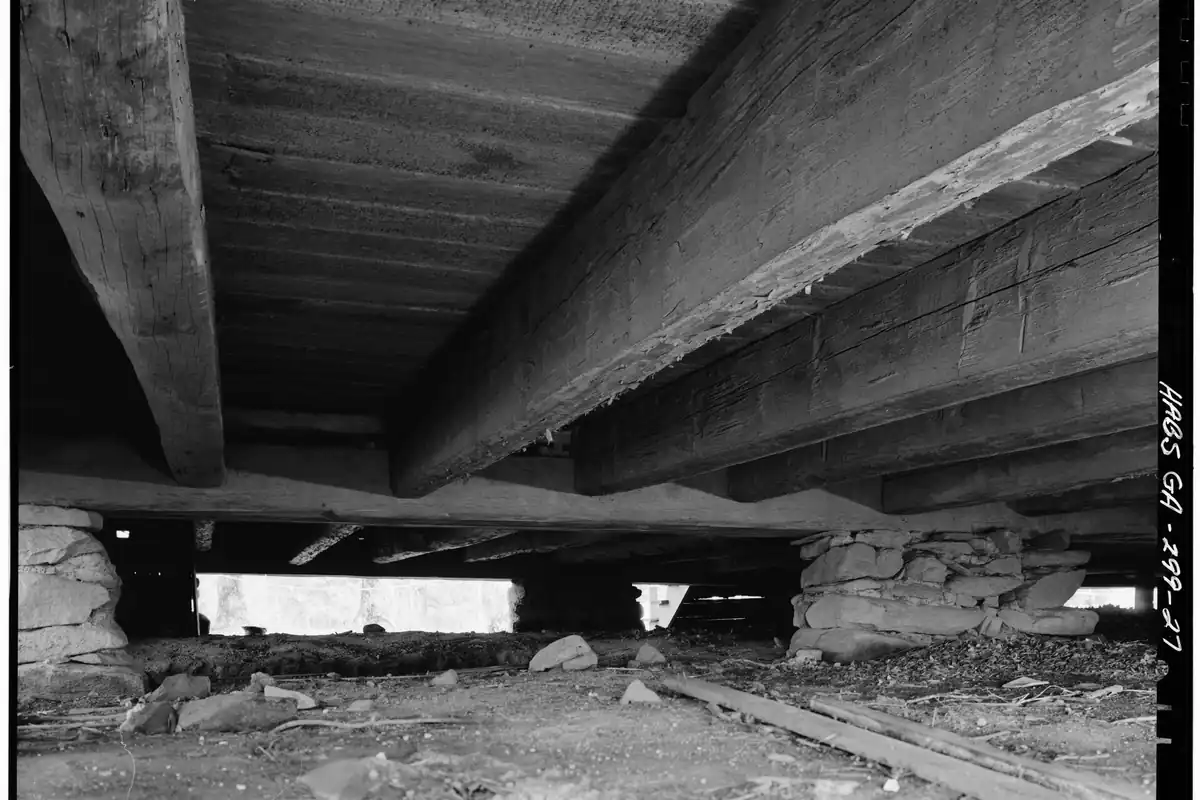
Borate treatments suit bare timber that stays dry: roof framing, interior framing exposed during renovation, the inside faces of walls before lining, and furniture backs. They suit exterior timber, ground-contact timber and subfloors over wet ground much less, because rain and moisture can leach the boron out. In those places a residual insecticide or a properly treated replacement timber is the better choice.
| Situation | Borate | Permethrin surface treatment |
|---|---|---|
| Framing opened up in a renovation | Good fit if kept dry | Good fit |
| Dry roof space | Good fit | Good fit |
| Damp subfloor over bare ground | May leach | Usual choice; fix damp too |
| Exterior boards and joinery | Leaches in weather | Inject finished faces |
| Painted or varnished timber | Can't soak through | Inject holes |
Borer under the floor or in the roof space? Get a written quote
Are borate borer products sold in New Zealand?
Some borate products are marketed in New Zealand for timber, and others, such as certain American borate concentrates, are sold online but aren't confirmed as approved here. Any pesticide sold in New Zealand needs an approval under the HSNO Act. Before buying, check the label carries an NZ HSNO approval number, then look it up in the EPA's database of approved hazardous substances.
Our borer products page explains how to read a label and run that check.
Can you use borax as a home borer treatment?
Borax is a boron compound, so the idea behind a home borax solution is sound in principle: boron is what protects treated framing. In practice, a kitchen-mixed borax solution has no set strength, no tested penetration and no label telling you it will protect timber, and borax is itself harmful if swallowed. It won't match an approved product. Our answer on natural borer treatment looks at the evidence for home options.
Which should you choose for your house?
For most existing Auckland homes, a residual permethrin treatment on bare subfloor and roof timber, with injection for finished timber, is the practical choice, because it copes with damp subfloors and is easy to buy. A borate makes sense for dry timber you can reach during building work. For repairs, use H1.2 or higher treated timber rather than treating untreated new wood yourself.
The cost page compares product and professional prices, and how to treat borer gives the full order of work.
Questions people ask
Is boron treatment safer than permethrin?
They have different hazards. Boron compounds are low in contact toxicity but harmful if swallowed in quantity; permethrin is very toxic to cats and fish. Whichever you use, the label and safety data sheet set the precautions.
Does H1.2 framing need borer treatment?
Sound, dry H1.2 framing is treated to resist borer and doesn't normally need extra treatment. Cut ends and untreated offcuts used in repairs can be weak points, and framing that's been wet for long periods may have lost some boron.
How can I tell if timber is boron treated?
H1.2 timber is dyed pink so it can be recognised in New Zealand, and treated timber is usually branded or tagged with its hazard class. Untreated older timber has no colouring. If in doubt, a builder can usually tell from the timber's age and markings.
How shop products compare with a professional job is covered at borer treatment in Auckland.