Mt Eden and Kingsland: borer in homes built on lava
Under these houses is volcanic rock, uneven ground and some of the oldest timber framing on the isthmus.
Facts and prices checked 5 November 2026
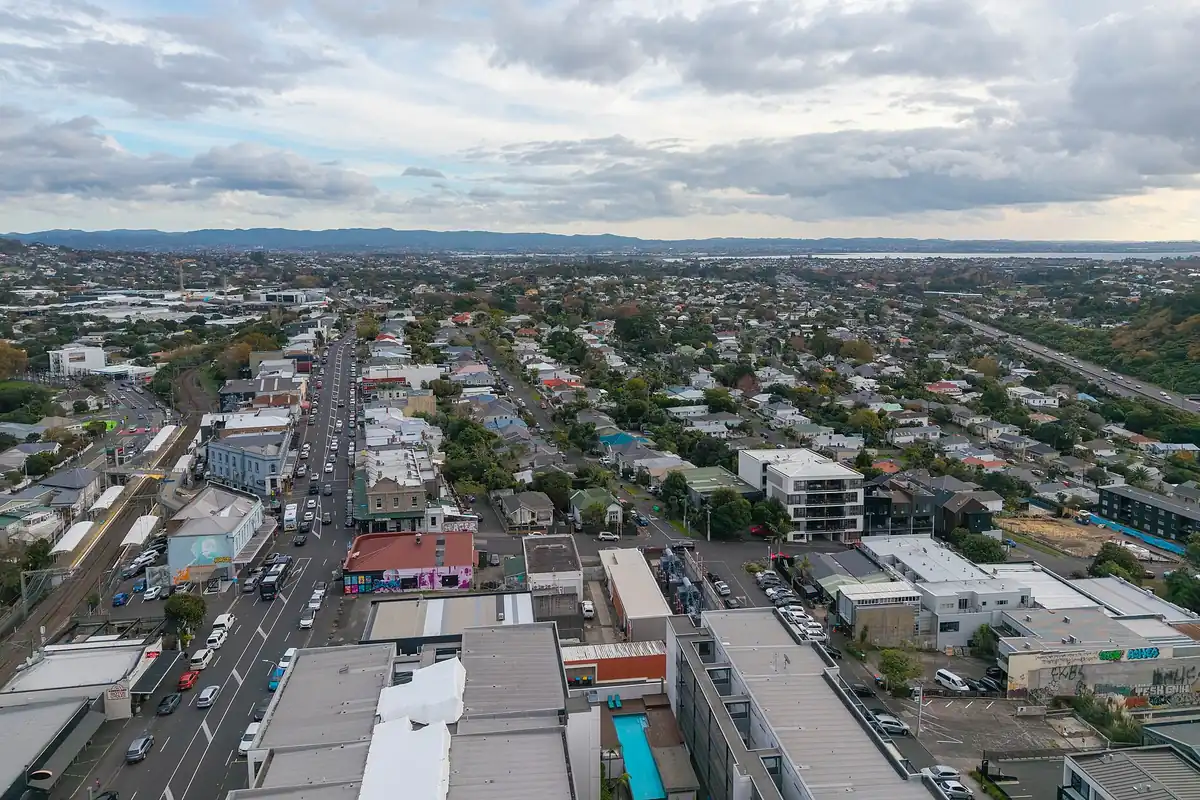
Mt Eden and Kingsland sit on the lava fields around Maungawhau, and their housing is mostly villas and bungalows from the late 1800s to the 1930s, built from native timber long before treated framing. Borer here is usually found in subfloors laid over scoria and basalt, in roof framing, and in the rimu floors of bungalows. Mt Eden began to be subdivided in 1841 and by 1930 its last large block had been cut up, so nearly every older house is at least ninety years old. We arrange a technician to visit anywhere in Mt Eden, Kingsland, Balmoral, Sandringham and Eden Terrace, look at the timber and give you a written quote first. For the general approach, see how to treat borer.
How does volcanic ground affect the subfloor?
Volcanic ground makes subfloors uneven. Many Mt Eden houses stand on piles set into scoria or around basalt outcrops, so the clearance changes from one end of the house to the other, and boulders can block parts of the subfloor entirely. Free-draining scoria is drier than clay, which helps, but pockets of damp still form where downpipes or paths drain under the house.
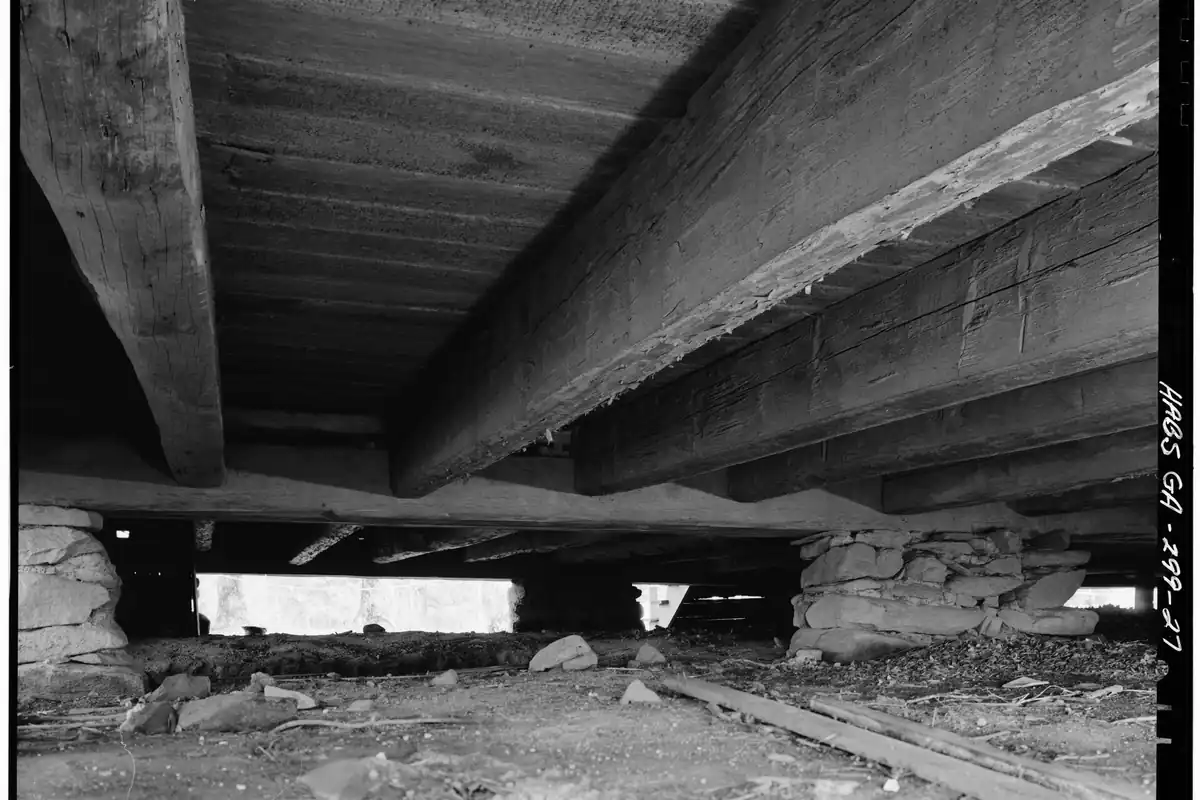
For a treatment, rock means reaching around obstacles with a long wand and brushing what a spray can't reach. In Kingsland, which was once swampland around water-filled lava caves before it was built on, low spots under houses can stay damp after rain. A dry subfloor slows borer, so the prevention guide is worth reading alongside any treatment.
Bungalow or villa: does it change the job?
It changes where the borer is. A 1920s or 1930s bungalow often has rimu floors, a low-pitched roof with little headroom, and wide eaves, so roof work is slow and floors show holes early. An older villa usually has a taller roof space with sarking, a higher subfloor and painted joinery full of flight holes. Both usually need the subfloor treated.
| House type | Typical borer spots | Practical note |
|---|---|---|
| Villa (1880s to 1910s) | Sarking, subfloor joists, sashes and skirtings | Taller roof space; lots of joinery injection |
| Transitional villa | Floor framing, roof timbers, verandah | Mix of villa and bungalow details |
| Bungalow (1910s to 1930s) | Rimu floors, low roof framing, eaves | Low roof pitch slows roof work |
| Later infill (1990s to 2000s) | Framing if untreated kiln-dried timber was used | Check roof and subfloor framing |
Why are Mt Eden roof spaces worth checking?
Mt Eden roof spaces are worth checking because they are the part of an old house nobody looks at, and borer can work in rafters and sarking for decades unseen. Fine gritty dust on top of the ceiling linings, or a scatter of small brown beetles at upstairs windows in December, are the usual clues. A torch and five minutes at the hatch tell you a lot.
The awkward part is the bungalow roof: low, hot in summer and crossed by old wiring. That's why many owners leave the roof to a technician even when they do the rest. The roof space treatment page explains what's involved.
Borer under the floor or in the roof space? Get a written quote
How does a borer visit work in Mt Eden?
A visit starts with a look at the subfloor, roof space and any finished timber with holes, then a written quote before any treatment. If you go ahead, the treatment is booked for a day that suits you. Mt Eden's streets range from wide avenues to tight lanes off Dominion Road, so let us know about parking and whether the subfloor access is at the front or back.
Things that make the visit quicker:
- Clear the roof hatch area and any stored items near the subfloor access
- Note where you've seen fresh holes or dust
- Say if a renovation is planned, because timing treatment around it saves money
Are there character rules to think about?
There are. Parts of Mt Eden are within the Special Character Areas overlay in the Auckland Unitary Plan, which is about the streetscape and the look of older houses. A borer treatment doesn't change anything you can see, so it isn't affected. Replacing original weatherboards, windows or verandah detailing with different materials might need council input. Check your property before larger repairs.
Like-for-like repairs are usually simpler. Our exterior timber page covers when boards are treated and when they're replaced.
What does borer treatment cost in Mt Eden?
Mt Eden prices follow the same published Auckland ranges as anywhere: roughly $350 to $600 for a roof space, $450 to $750 for a subfloor, and about $800 to $1,350 for both. Rock-filled or very low subfloors and low bungalow roofs can push the price up because the work takes longer. You get your price in writing after the visit.
The cost page shows the DIY alternative for smaller jobs.
Questions people ask
Do Kingsland houses have more damp under the floor?
Some do. Kingsland was originally swampy ground over lava caves, and low-lying sections can hold water after rain. Check for wet soil and blocked vents under the house; a moisture barrier helps.
Can borer be treated in a house with rock under it?
Yes. Rock just makes access harder. The timber above it can still be sprayed or brushed with a residual treatment, using a long wand where a technician can't reach.
Do you cover Balmoral, Sandringham and Eden Terrace?
Yes. Visits are arranged across the central isthmus, including Balmoral, Sandringham, Morningside, Eden Terrace and Mt Albert.
The treatment methods are the same in every suburb and are explained at the Borer Wise guide to Auckland borer.