Borer in furniture: treat the piece, protect the house
An old chest or chair with borer can carry it into the rest of the house. Most pieces can be treated at home if you go about it in the right order.
Facts and prices checked 5 November 2026
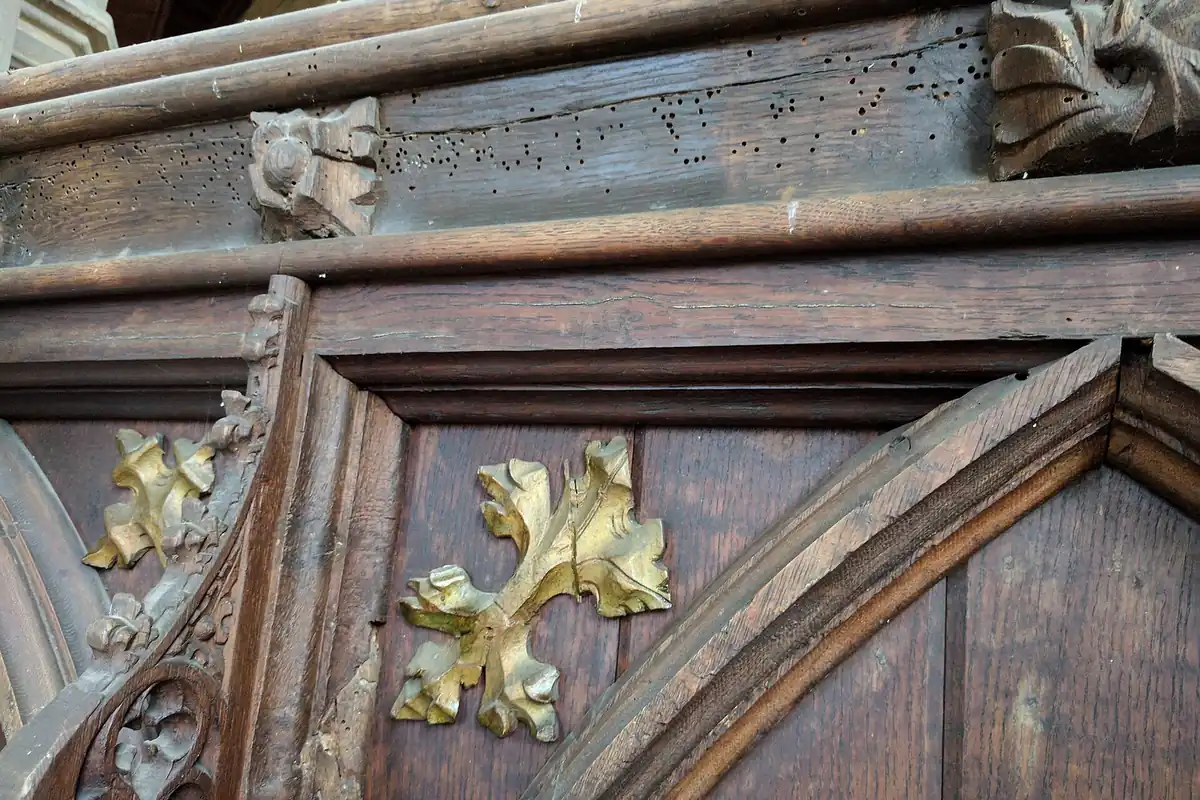
Treating borer in furniture means confirming the borer is still alive, isolating the piece, injecting the flight holes in its finished surfaces and coating any bare timber (backs, undersides, drawer runners) with a residual borer product. Small pieces can also be frozen. Most furniture jobs are well within DIY reach. The bigger risk is the piece itself: borer that emerges from an old dresser can lay eggs in your floors and skirtings. This page covers the order to work in; flight-hole injection covers the injecting itself.
Is the borer in your furniture still alive?
Borer in furniture is alive if fine, gritty dust keeps appearing under the holes after you've cleaned it away, or if the holes are pale and crisp inside rather than dark and worn. Many antiques carry holes from borer that died out decades ago. Clean the piece, put dark paper underneath, and check it over a few weeks in the warmer months.
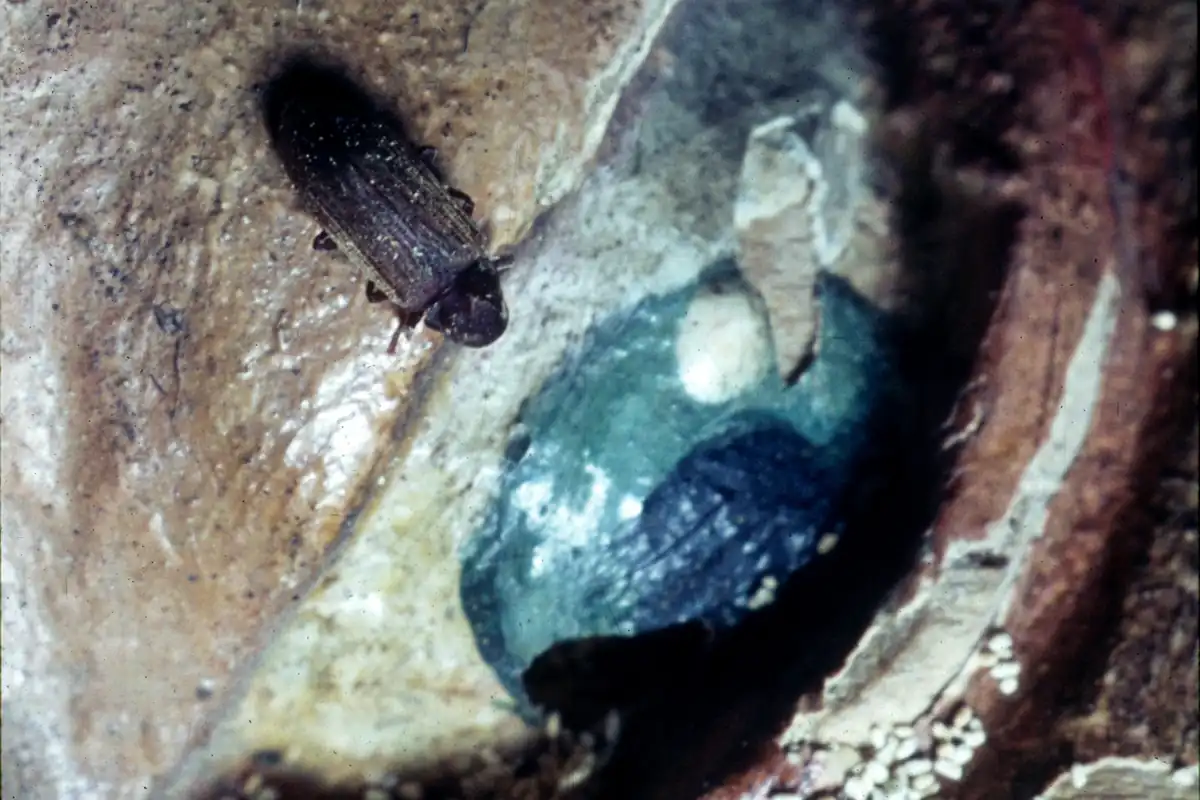
The common house borer favours softwood and native sapwood: pine, rimu and kahikatea furniture are typical hosts. Pieces made from hardwoods such as oak or tawa may instead carry powderpost beetle, whose dust is much finer, like talc. Both are treated the same way at home. Our page on the borer beetle helps with identification.
What's the right order to treat a piece?
The right order is isolate, clean, inject, coat the bare timber, then wait before you fill. Working this way stops borer spreading, gets the insecticide into the tunnels while the holes are still open, and leaves you able to spot any new activity. Rushing to fill and polish hides the evidence you need later.
- Move the piece away from other furniture and off timber floors if you can, ideally into a garage.
- Vacuum the holes and dust, so new dust is easy to see.
- Test a hidden spot with the product you'll use, as labels advise for decorative timber.
- Inject every fresh hole and the holes near them.
- Coat bare timber (back panels, drawer bottoms, undersides, unfinished frames) with a residual surface treatment.
- Let it dry and wait a season before filling and refinishing.
Can you freeze borer out of small items?
You can freeze small wooden items to kill borer, and museums use low-temperature treatment for this. The piece needs to be sealed in a bag to manage condensation and held cold long enough for the core of the timber to get there. It suits picture frames, carvings, boxes and small chairs, not a wardrobe. Our answer on freezing or heating borer out of furniture has the details.
Freezing leaves no residual protection, so treat any bare timber afterwards if the piece will sit somewhere borer could reach it again.
Borer under the floor or in the roof space? Get a written quote
What about valuable antiques?
For valuable antiques, talk to a furniture conservator or restorer before using any liquid. Insecticides, solvents and carriers can mark French polish, shellac, gilding and old glue, and some pieces lose value if their surfaces are altered. A conservator can advise on low-temperature treatment or on how to inject without harm. For everyday old furniture, the home method above is usually fine.
| Piece | Usual approach |
|---|---|
| Painted or varnished pine dresser | Inject holes, coat bare back and drawer bottoms |
| Rimu or kauri table with bare underside | Coat underside, inject holes in the top |
| Small carved or framed items | Freeze, or inject carefully |
| Cane, wicker or rattan | Hard to treat; isolate, check and consider freezing |
| Valuable antique with original finish | Get conservation advice first |
When should a professional look at it?
A professional visit makes sense when the furniture isn't the only place with borer. If you find fresh holes in skirtings, floors or the stair under a piece, or the piece came from a house with known borer, the house timber probably needs treating too. A technician can check the subfloor and roof space as well, and give you a written quote for the lot.
Borer in furniture is also a common sign that a bach, shed or garage storing the furniture has borer. See borer in sheds and garages.
Does bringing in second-hand furniture risk borer?
Bringing in second-hand furniture can bring borer with it, which is why it's worth checking before the piece comes inside. Look underneath, inside drawers and along the back for pale holes and gritty dust. If you see any, treat it in the garage first. The same applies to recycled native timber, covered in borer in firewood and recycled timber.
Questions people ask
What's the best way to treat borer in furniture?
Inject every active flight hole with a borer injector, coat any bare, unfinished timber with a residual borer treatment, and keep the piece apart from other timber until you're sure the borer has stopped. Freeze small items if you'd rather not use a liquid. Test finishes first.
Can borer spread from furniture to the house?
Yes. Adult beetles that emerge from a piece of furniture can fly and lay eggs on bare timber nearby, including floorboards and the underside of the house. That's the main reason to treat infested furniture promptly.
Should I throw out furniture with borer?
Usually not. Most pieces can be treated. Throw out or burn only pieces that are structurally ruined, and don't move heavily infested items into a garage full of other timber. Firewood made from infested pieces should be stored away from the house.
Where this method sits among the others is laid out on our main page for Borer Treatment Auckland.