Borer in firewood and recycled timber
Reclaimed native timber is beautiful and firewood is free. Both can carry live borer, or huhu, into a house that didn't have it.
Facts and prices checked 5 November 2026
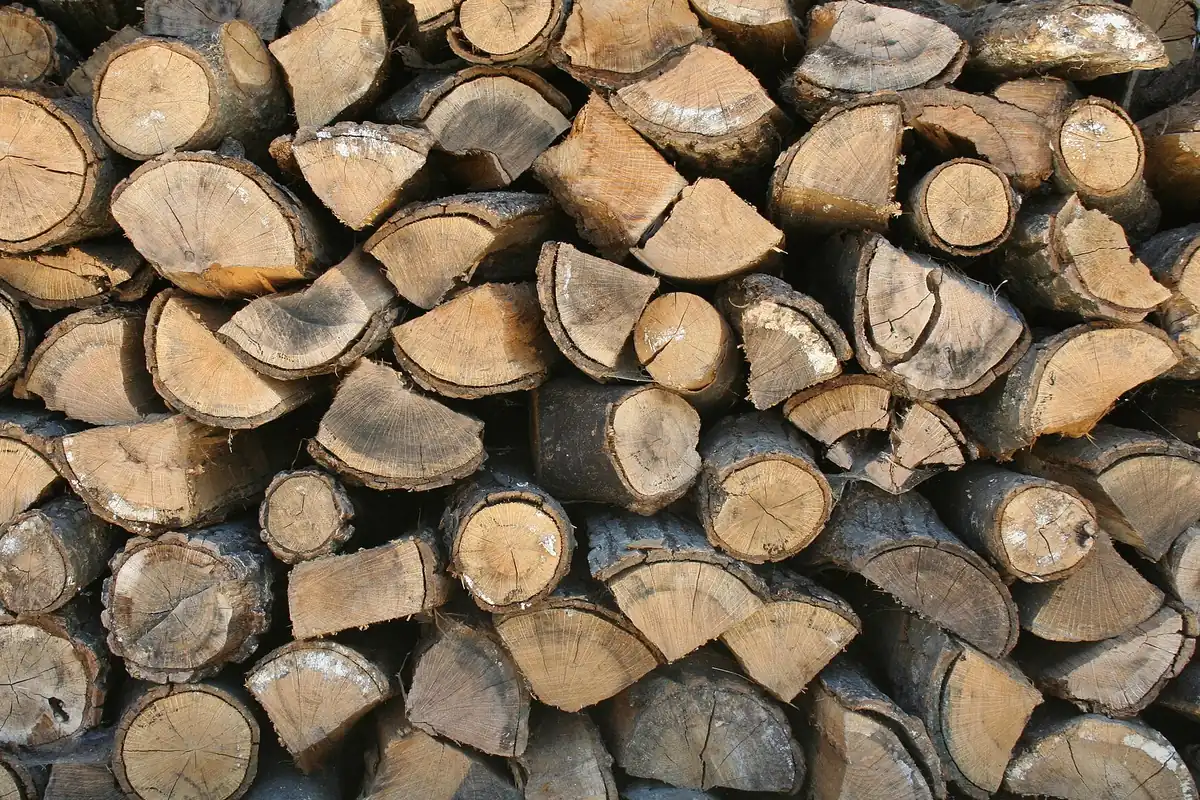
Firewood and recycled timber can both bring borer into a house. Salvaged rimu, kauri and matai from demolitions often came out of houses with borer, and the common house borer lives in sapwood for three to four years, so live larvae can travel with the boards. Firewood, especially old, damp or rotting wood, can carry huhu grubs as well as borer. The fix is to check before it comes inside, treat or freeze reclaimed timber before you build with it, and stack firewood away from the house. This answer covers each. The broader habits are in borer prevention.
Can borer spread from firewood to a house?
Borer can spread from firewood to a house if infested wood sits close to bare timber long enough for beetles to emerge and lay eggs. Firewood stacked against weatherboards, under the house or in a garage beside framing gives emerging beetles a short trip. Most firewood is burned before anything emerges, but a large stack kept over summer can produce beetles from November to January.
Good firewood habits:
- Stack it off the ground, away from the house, under a cover
- Don't store it in the subfloor or against the cladding
- Bring in only what you'll burn in a day or two
- Burn the oldest, most holey wood first
What about huhu in firewood?
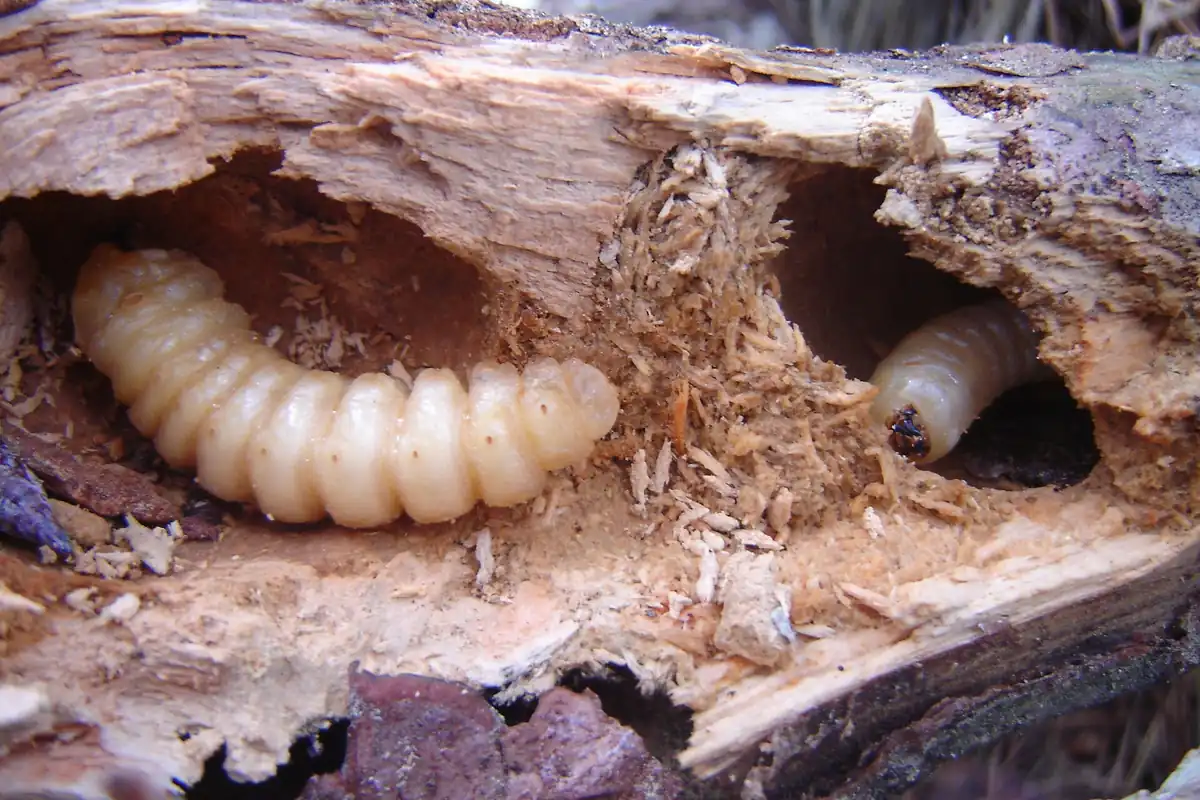
Huhu grubs are common in firewood made from dead, damp or rotting logs, and they're the large white grubs you find when splitting it. Huhu need damp wood, so they don't move into sound, dry house framing. They're more a sign that the wood was rotting than a threat to the house. Adult huhu fly from November to early March and may turn up at lit windows near the woodpile.
See the huhu beetle page for identification.
How do you check recycled timber for borer?
Check recycled timber by looking at every face, especially the sapwood edges, for small round holes and gritty dust, then tapping each board over dark paper to see if fresh frass falls out. Pale, crisp holes and clean dust mean live borer. Also look for oval longhorn holes in rimu and soft, crumbly patches. Do this outside, before the timber comes anywhere near the house.
Borer under the floor or in the roof space? Get a written quote
| What you find | What to do |
|---|---|
| No holes, sound timber | Use it; treat bare faces before installing if it's native sapwood |
| Old dark holes, no fresh dust | Treat bare faces before use as a precaution |
| Pale holes and fresh dust | Treat before use, or freeze small pieces |
| Oval holes, hollow-sounding boards | Reject structural use; use only for decoration if sound |
| Soft, rotting timber | Don't use it |
How do you treat recycled timber before using it?
Treat recycled timber before using it by brushing or spraying a residual borer product onto every bare face while you still can, two coats, and letting it dry before sanding, finishing or fixing. That's the one time every face is exposed. Small pieces can be frozen instead. Recycled timber shouldn't be used where the building code requires treated timber; use new treated framing for structure.
Our borer products page compares treatments, and freezing borer out of small items covers the cold method.
Is recycled native timber worth the risk?
Recycled native timber is usually worth it for floors, benchtops, furniture and trim, as long as you check and treat it first. The risk isn't the timber; it's putting live borer next to the bare framing of your house. Once treated, finished and kept dry, reclaimed rimu is no more at risk than the native timber already in a villa. The timber floor page covers treating new boards before finishing.
Questions people ask
Should I burn wood with borer in it?
Burning is fine for firewood. Don't store infested wood near the house over summer, and burn the most infested pieces first.
Can I use rimu from a demolition for framing?
Not for new structural framing where treated timber is required. Use it for non-structural work such as floors, trim and furniture, after checking and treating it.
Will a kiln kill borer in recycled timber?
Heat treatment in a properly controlled kiln can kill borer, but it gives no lasting protection. NZFFA notes that kiln-dried wood isn't an adequate substitute for treated timber.
Short answers like this one feed into borer treatment across Auckland, which sets out every option from DIY to a professional visit.