Freezing (or heating) borer out of wooden items
Museums kill wood-boring insects in precious objects with cold. The same idea works at home for small pieces, if you respect the details.
Facts and prices checked 5 November 2026
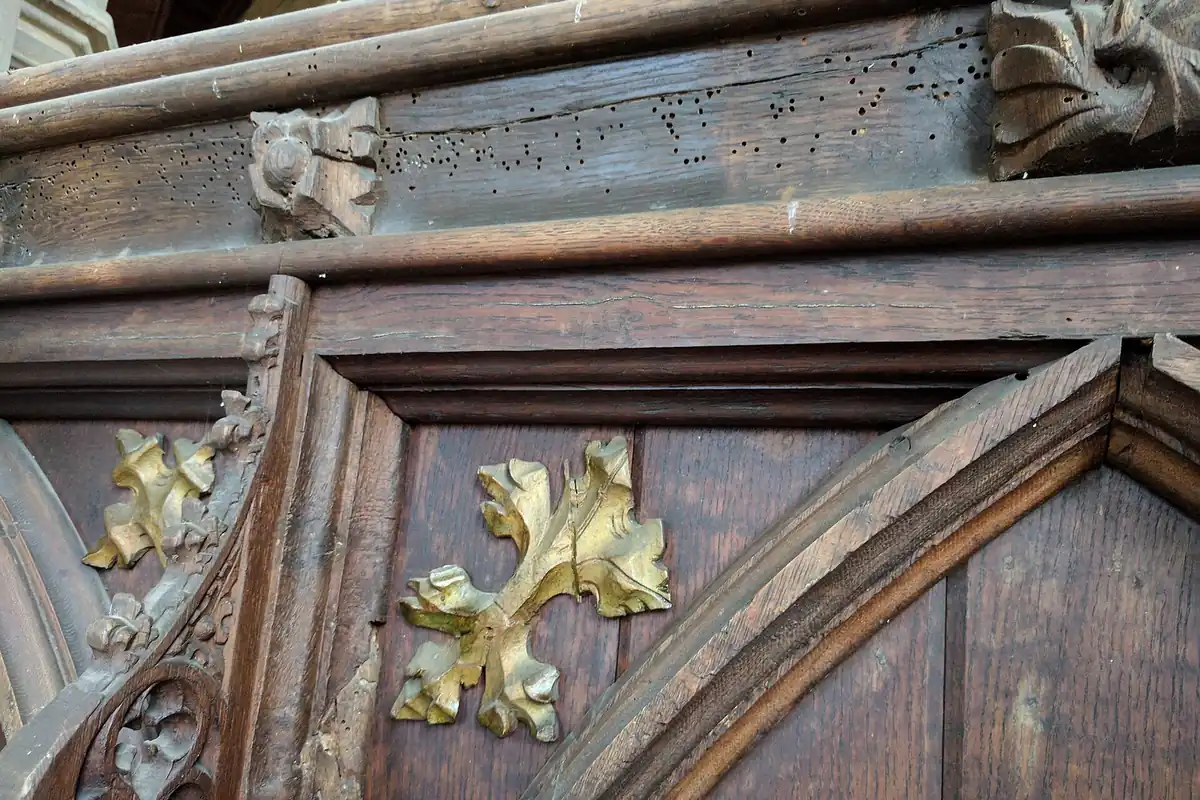
Freezing can kill borer in small wooden items without any insecticide, and it's a standard museum method. The Canadian Conservation Institute gives a practical treatment of about −20°C held for one week, with the object sealed in a bag so moisture can't condense on it while it warms up again. That suits carvings, frames, boxes, small chairs and tools that fit in a chest freezer. It leaves no protection behind, so a frozen piece can be re-infested later. Heat also kills borer but risks glue, veneer and finishes. For the full furniture method, see treating borer in furniture.
Does freezing really kill borer?
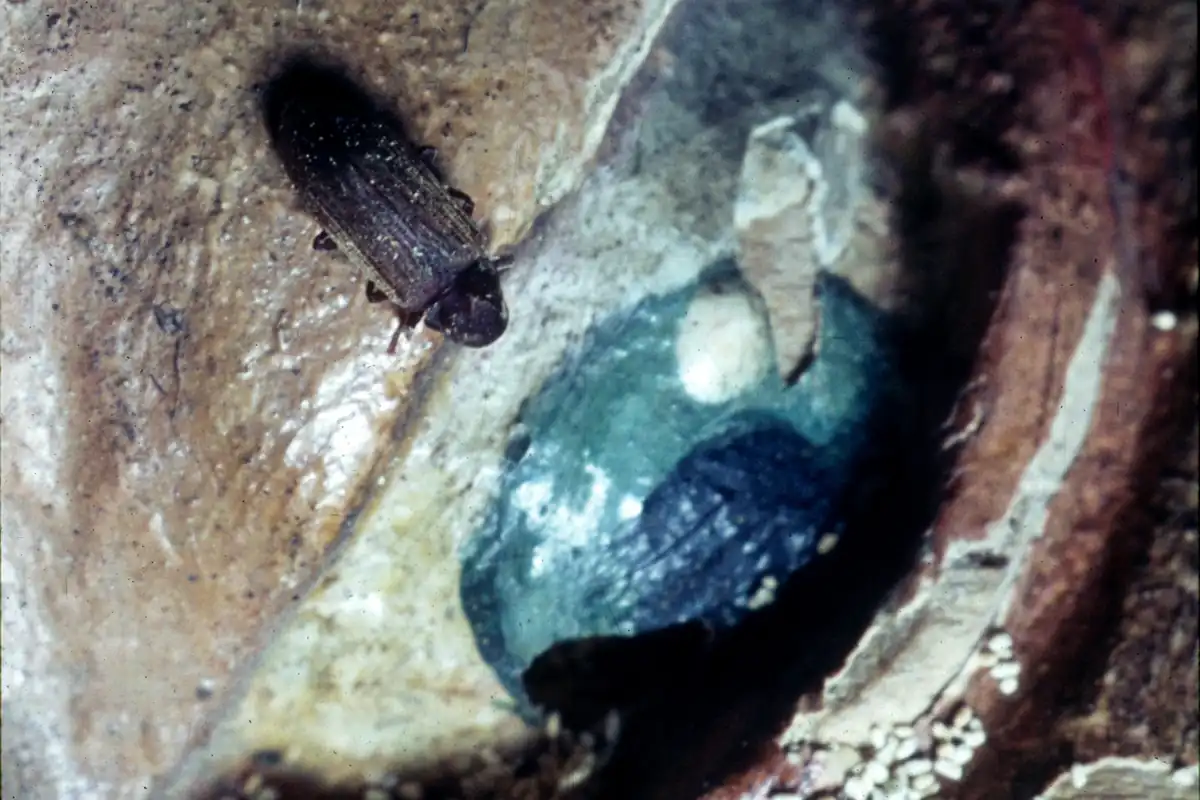
Freezing really does kill borer larvae, pupae and eggs if the cold reaches the middle of the wood and stays there long enough. Conservation institutes use low-temperature treatment on museum collections because it works without chemicals. NZFFA also lists freezing among the alternative treatments for common house borer. The weak point is time: thick timber takes hours to cool right through.
How do you freeze a wooden item properly?
Freeze a wooden item by sealing it in a plastic bag with as much air pressed out as you can, putting it in a freezer that holds about −20°C or colder, and leaving it at least a week. Then let it warm back to room temperature while still sealed, so condensation forms on the bag, not on the wood. Unwrap it only once it's fully warmed.
- Clean off dust so you can spot new activity later.
- Bag and seal the item; add a second bag for valuable pieces.
- Freeze for a week at about −20°C. Domestic freezers usually run a little warmer, around −18°C, so allow longer.
- Thaw sealed for at least a day, until the bag is at room temperature.
- Watch it for new dust over the next flight season.
| Item | Freezer-friendly? |
|---|---|
| Picture frames, carvings, small boxes | Yes |
| Wooden tools and small stools | Yes |
| Small chairs, if they fit | Yes, with care for glued joints |
| Items with ivory, lacquer, paintings or veneers | Ask a conservator first |
| Wardrobes, tables, house timber | No; use surface treatment and injection |
What can go wrong when freezing furniture?
Freezing can go wrong in three ways: the cold doesn't reach the core because the treatment is too short, condensation wets the wood when an unbagged piece warms up, or delicate materials crack. Sealing the bag and thawing it closed deals with condensation. Mixed-material and finely veneered pieces are the ones to take to a conservator.
Borer under the floor or in the roof space? Get a written quote
Freezing also gives no lasting protection. If the piece goes back into a house with active borer, the next generation of beetles can lay eggs in it again. That's why a residual treatment on its bare back and undersides is worth adding afterwards, as our furniture guide explains.
Can heat kill borer in furniture?
Heat can kill borer, and controlled heat treatment is used commercially and in some museums, but it's riskier at home. Wood needs to be heated right through, which can soften old animal glues, lift veneers, crack timber as it dries and spoil finishes. A hot car or a sunny window isn't a controlled treatment. Freezing is the safer home method for small pieces.
Leaving a piece in strong sun on a summer day won't reliably kill larvae deep in the wood, and it can damage the piece. Our answer on natural borer treatment looks at other non-chemical ideas and how well they hold up.
When is a liquid treatment better?
A liquid treatment is better when the item is too big for a freezer, when it's part of the house, or when you want lasting protection. Injecting flight holes and coating bare timber kills larvae in the piece and leaves a layer that stops new eggs. For anything built into the house, freezing isn't an option at all. The flight-hole injection page covers the method.
Questions people ask
How long should I freeze a piece of wood for borer?
A week at about −20°C is the practical schedule the Canadian Conservation Institute gives. A home freezer at around −18°C should be given longer, and thick pieces need more time for the cold to reach the centre.
Can I freeze recycled timber or firewood?
Small offcuts and short lengths, yes. Long boards and firewood quantities are impractical. Our answer on borer in firewood and recycled timber covers other options.
Will freezing damage antique furniture?
It can, especially pieces with veneers, inlay, lacquer or mixed materials. Talk to a furniture conservator before freezing anything valuable.
Short answers like this one feed into borer treatment in Auckland, which sets out every option from DIY to a professional visit.