Birkenhead and Northcote: two eras of borer
Old villas from the sugar-works era on one side, post-Harbour Bridge housing on the other, and kauri gullies running through both.
Facts and prices checked 5 November 2026
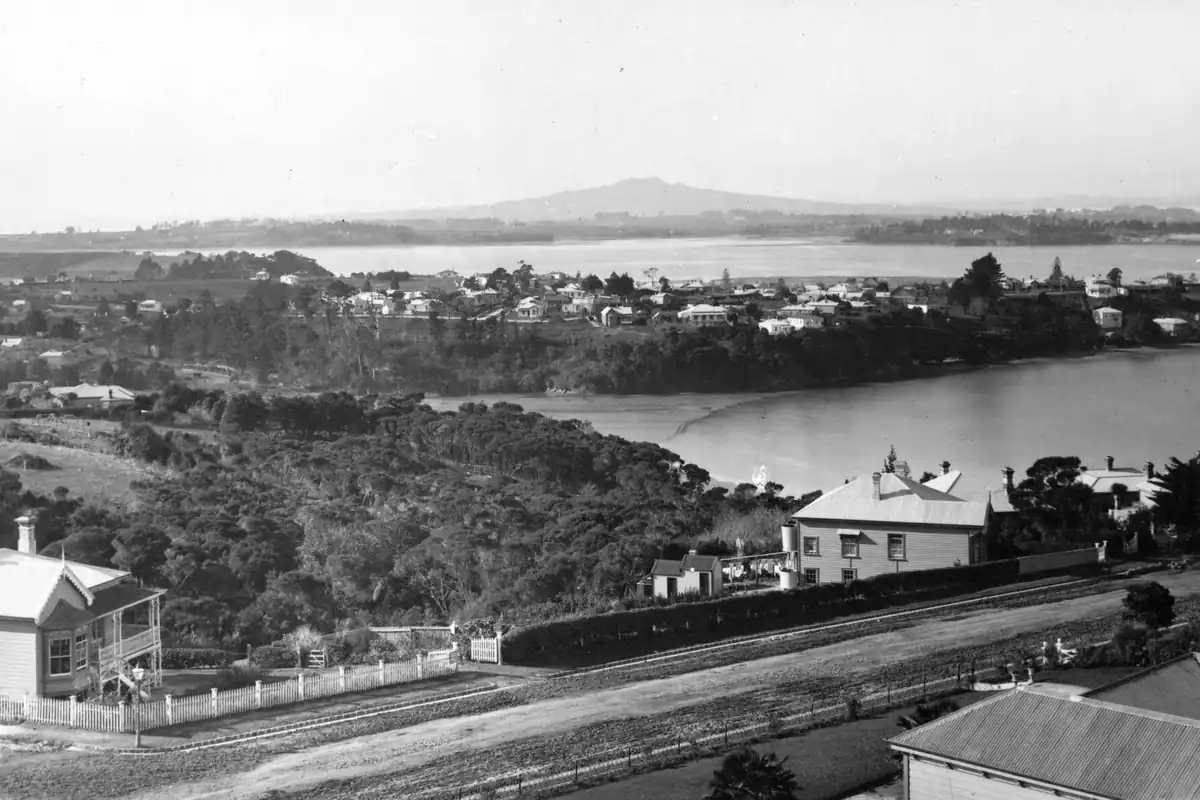
Birkenhead grew around the Chelsea Sugar Refinery, built in 1884, and stayed semi-rural until the Harbour Bridge's 1959 opening; Northcote, next door, grew fast in the same post-bridge decades. So these suburbs hold two quite different borer stories: native-timber villas and cottages on the old ridges and points, and mid-century houses on the slopes behind them. Both sit beside bush gullies with kauri remnants, such as Kauri Glen and Le Roys Bush, which keep some sites shaded and damp. We arrange a technician to visit anywhere in Birkenhead, Northcote, Northcote Point, Highbury, Beach Haven or Chatswood, and quote in writing first. Our how to treat borer guide covers the method.
Which Birkenhead houses are most likely to have borer?
The Birkenhead houses most likely to have borer are the older villas and cottages near Highbury, Birkenhead Point and the streets that served the refinery and the ferries, along with Northcote Point. They went up in untreated native timber, often in the late 1800s and early 1900s, and many still have original floors, sarking and joinery. Borer in these houses is usually old and widespread, with active patches.
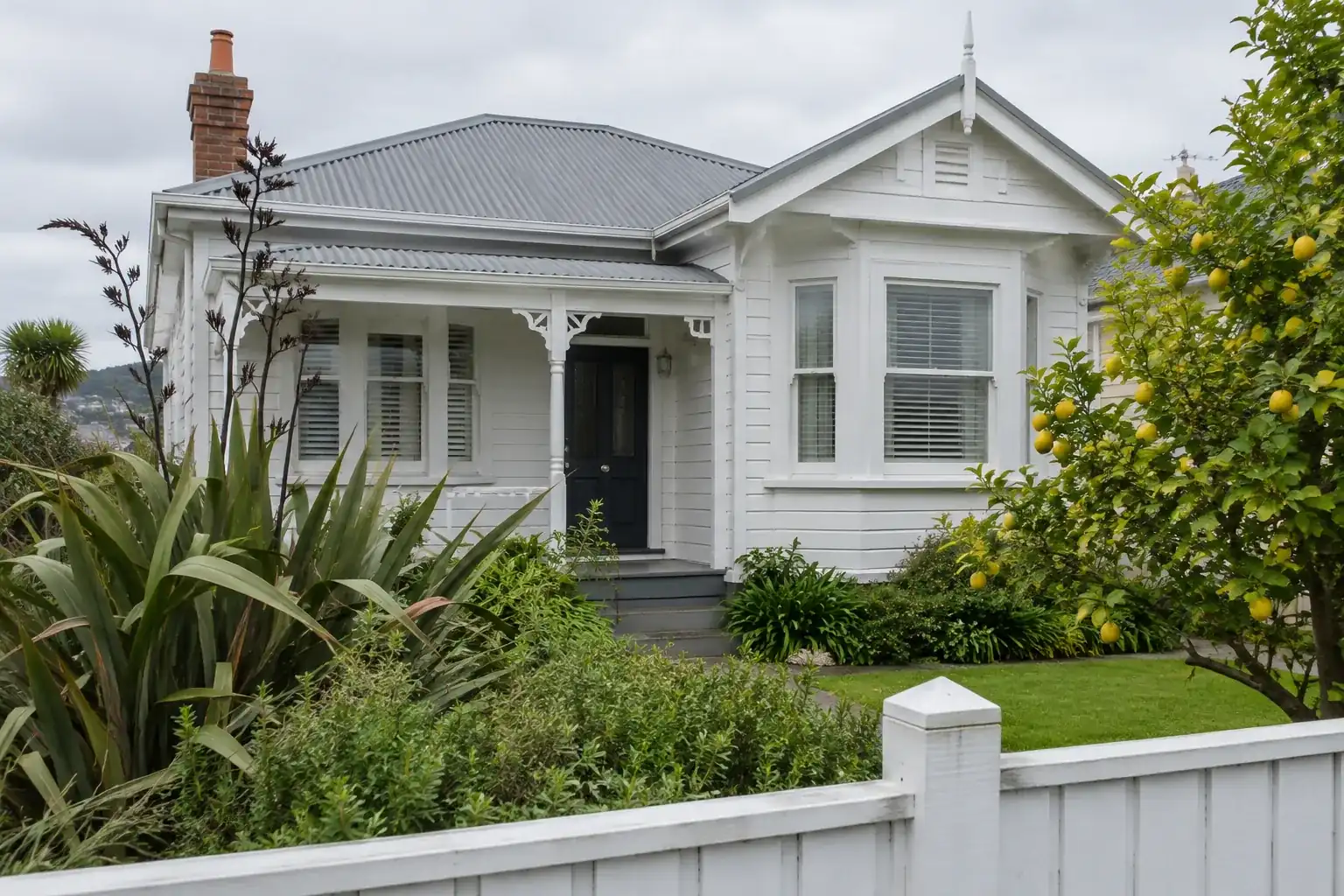
These are the houses where a full subfloor and roof treatment, plus injection of painted joinery, makes the most sense. If you're renovating, treat the bare timber while it's exposed.
What about Northcote's mid-century houses?
Northcote's mid-century houses are a different case. Many date from the 1950s and 1960s, when the bridge opened the area up, and by then boron-treated framing was widely used, so borer is less common in their framing. Native timber floors, older additions, garages and sheds can still carry it. Check the subfloor and roof with a torch rather than assuming either way.
| House era | Framing | Borer likelihood |
|---|---|---|
| Villas and cottages before about 1930 | Untreated native timber | High; usually some old damage |
| 1950s to 1960s post-bridge houses | Often boron-treated; floors may be native | Moderate; check floors and additions |
| 1970s to mid-1990s | Usually treated | Lower |
| Late 1990s to 2004 | May be untreated kiln-dried | Worth checking the roof and subfloor |
| Built from 2004 consents | Treated | Low |
Do the bush gullies make a difference?
The bush gullies make a difference to damp. Houses backing onto Kauri Glen, Le Roys Bush, Eskdale Reserve and the other gullies are often shaded, with leaf litter against foundations and water running off slopes towards the house. Shaded, damp subfloors suit borer and can bring huhu and rot. Clearing drainage and vents matters as much as the treatment on these sites.
Borer under the floor or in the roof space? Get a written quote
What helps on a gully-edge section:
- Keep leaf litter and soil clear of weatherboards and vents
- Check that downpipes and paths drain away from the house
- Lay a ground moisture barrier if the subfloor soil is damp
- Store firewood away from the house and off the ground
See the prevention guide for more, and huhu beetle if you find large oval holes in damp timber.
How do steep sections affect the visit?
Steep sections are common, especially on the Birkenhead side running down to the harbour. A sloping site can mean a tall subfloor at the downhill end and a crawl space uphill, long paths or steps to carry gear, and limited parking on narrow streets. None of that stops a treatment, but it adds time, so tell us about steps, driveways and where the subfloor access is when you book.
North Shore clay is slow-draining compared with the volcanic isthmus, so the uphill end of a sloping subfloor can hold water after rain. The written quote allows for difficult access.
Is the 1990s to 2000s infill worth checking?
Infill and newer houses built between the late 1990s and 2004 are worth checking, because builders could use untreated kiln-dried framing in that window: from September 1995 under NZS 3602, written into the Building Code's B2/AS1 route in February 1998, and ruled out for consents issued from 1 April 2004. Look at the roof framing and subfloor for holes. Our answer on treated timber explains how to tell.
What does borer treatment cost here?
Costs follow the published Auckland ranges: roughly $350 to $600 for a roof space, $450 to $750 for a subfloor and about $800 to $1,350 for both. Villas with lots of joinery to inject, sloping sites and low subfloors cost more. Your price is set in writing after the technician has seen the house. The cost page compares DIY and professional figures.
Questions people ask
Is borer common on the North Shore?
Yes, in older houses. Birkenhead, Northcote Point and Devonport have many native-timber villas and cottages where borer is common. Newer North Shore suburbs with treated framing have much less.
Do houses near the bush get more borer?
They can, mainly because they're damper. Humid timber speeds borer up, and damp, shaded sites also attract huhu and rot. Drainage and ventilation help.
Do you cover Beach Haven and Chatswood?
Yes. Visits are arranged across the inner North Shore, including Beach Haven, Birkdale, Chatswood, Highbury and Hillcrest.
The treatment methods are the same in every suburb and are explained at the Borer Wise guide to Auckland borer.