Product safety notice
Borer treatments are insecticides. A few habits keep a DIY job safe for you, your family, your pets and the nearest stream.
Facts and prices checked 5 November 2026
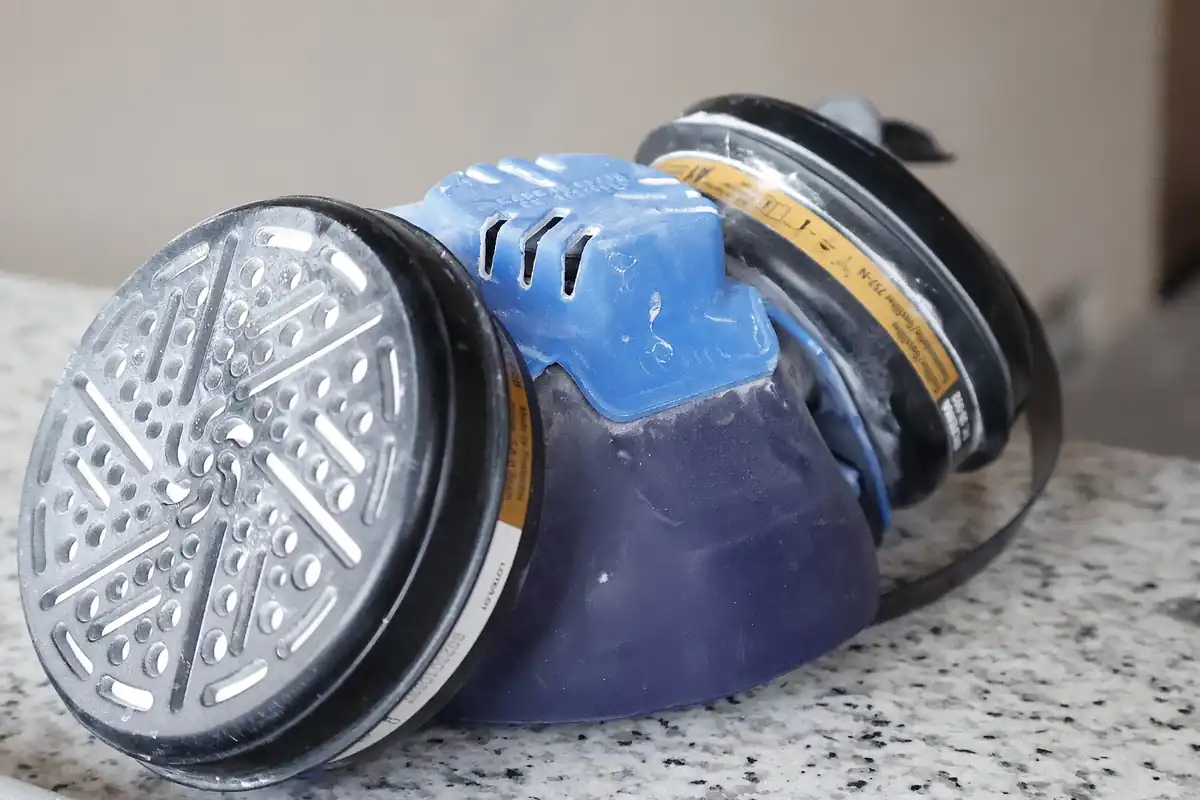
Borer products are hazardous substances under the Hazardous Substances and New Organisms Act 1996, and each one's label sets out how to use it safely. The core rules are simple: follow the label exactly, wear protective gear in confined spaces, keep children and pets out of treated areas until the product is dry, keep it away from food and water, and never let it reach drains. Cats and fish need extra care with permethrin, the usual active ingredient. This notice expands on each rule. For product types, see borer treatment products.
Why does the label come first?
The label comes first because it's written for that exact product: its active ingredient, strength, hazards and controls. Directions, warnings and first aid on the label override anything on this site. Read it before you open the container and again before you start. The safety data sheet (SDS), available from the manufacturer, adds detail on protective gear, storage, spills and disposal.
Check the HSNO approval number on the label too. It lets you look the substance up in the EPA's database of approved hazardous substances, which lists its hazard classifications and controls.
How should you protect yourself?
Protect yourself by wearing what the label asks for, and more in confined spaces. For spraying in a subfloor or roof space, that usually means a respirator suited to the product, gloves, eye protection and coveralls. Work with ventilation, take breaks in hot roof spaces, and don't eat, drink or smoke while applying. Wash your hands and any splashed skin afterwards.
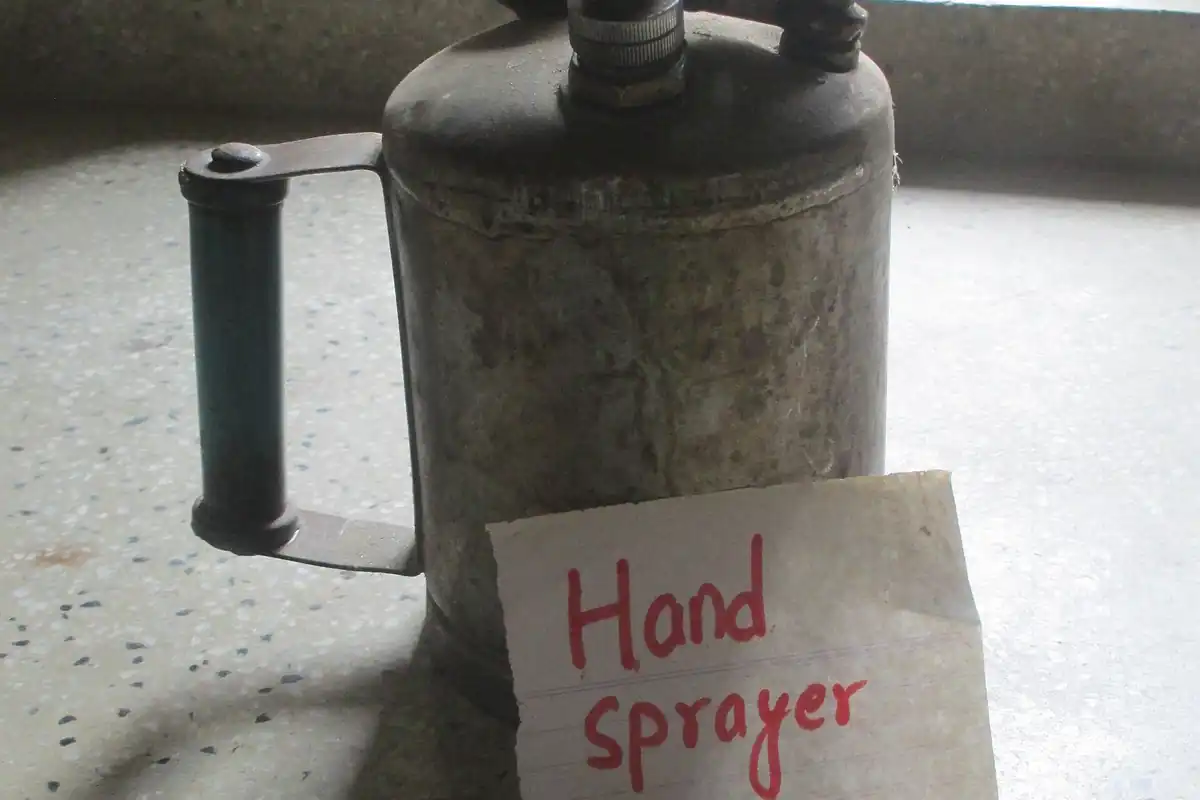
- Mix outdoors or in a ventilated area, and only what you'll use
- Keep the spray aimed at timber, never into the air
- Change out of coveralls before going back into living areas
- Wash protective gear separately from household laundry
How do you keep children and pets safe?
Keep children and pets safe by keeping them out of treated areas until the product is dry, which is the standard label instruction, and by storing products where they can't reach them. Cats need extra care because permethrin is far more toxic to them than to people or dogs; shut them away from treated areas and close subfloor access. Move bird cages and small pets away from rooms being treated.
| Who | Main precaution |
|---|---|
| Children | Out of treated areas until dry; products locked away |
| Cats | Shut away until dry; see a vet straight away if exposed |
| Dogs | Away from wet spray and treated areas |
| Fish | Cover tanks, turn off pumps, keep spray out of ponds |
| Everyone | Food, dishes and toys away from treatment |
Our answer on pets and children goes into more detail.
Why keep borer products out of water?
Keep borer products out of water because permethrin is very toxic to fish and other aquatic life. Never rinse a sprayer into a sink, gutter or stormwater grate, and keep spray away from ponds, streams and fish tanks. In Auckland, stormwater flows to streams and the sea without treatment. Clean equipment by spraying the rinse onto timber you've just treated.
What about kerosene and solvent mixes?
Kerosene, turpentine and solvent-based mixes are flammable. Keep them away from heaters, pilot lights and sparks, and don't use them in a closed space. They also smell for days indoors. Water-based products avoid most of this. Our page on kerosene, turps and fly spray explains why those liquids are poor borer treatments anyway.
How should products be stored and disposed of?
Store borer products in their original labelled containers, sealed and locked away from children, away from food and out of direct sun. Don't keep mixed product: one manufacturer says to use diluted mix within 48 hours. Leftovers and unwanted products are hazardous household waste, not rubbish or drain waste. Check Auckland Council's current guidance before taking them anywhere.
Our answer on disposing of borer treatment covers leftovers, rinsing and empty containers.
What should you do if something goes wrong?
If someone swallows a product or gets it in their eyes or on a lot of skin, call the National Poisons Centre on 0800 764 766, or 111 in an emergency, with the label in hand. Rinse eyes with clean water and wash skin with soap and water. If a pet, especially a cat, is exposed, ring your vet at once. For a spill near a waterway, call Auckland Council's pollution hotline on 09 377 3107.
When should you stop?
Stop if the job needs you in a tight subfloor, a hot roof space or up a ladder for long periods, if you're unsure what you're dealing with, or if you feel unwell while working. Those are the points where a DIY job becomes a risk rather than a saving. You can ask for a written quote for the hard parts and keep the easy ones.
Questions people ask
Do I need a licence to use borer products at home?
No. Retail borer products can be bought and used at home without a licence. Follow the label exactly.
Is a dust mask enough for spraying borer treatment?
A simple dust mask isn't designed for spray mist or vapour. Use the respiratory protection the label or safety data sheet recommends, especially in a subfloor or roof space.
How long after treatment can pets go back in?
Once the treated timber is dry, as the label says. That's usually hours on bare timber, longer in a cool, damp subfloor. Keep access closed until then.
Where this fits in the bigger picture is laid out on our main page for the Borer Wise guide to Auckland borer.