Takapuna and Milford: beach houses, baches and borer
Beachside bungalows and post-bridge family homes around Lake Pupuke, with salt air working on every painted surface.
Facts and prices checked 5 November 2026
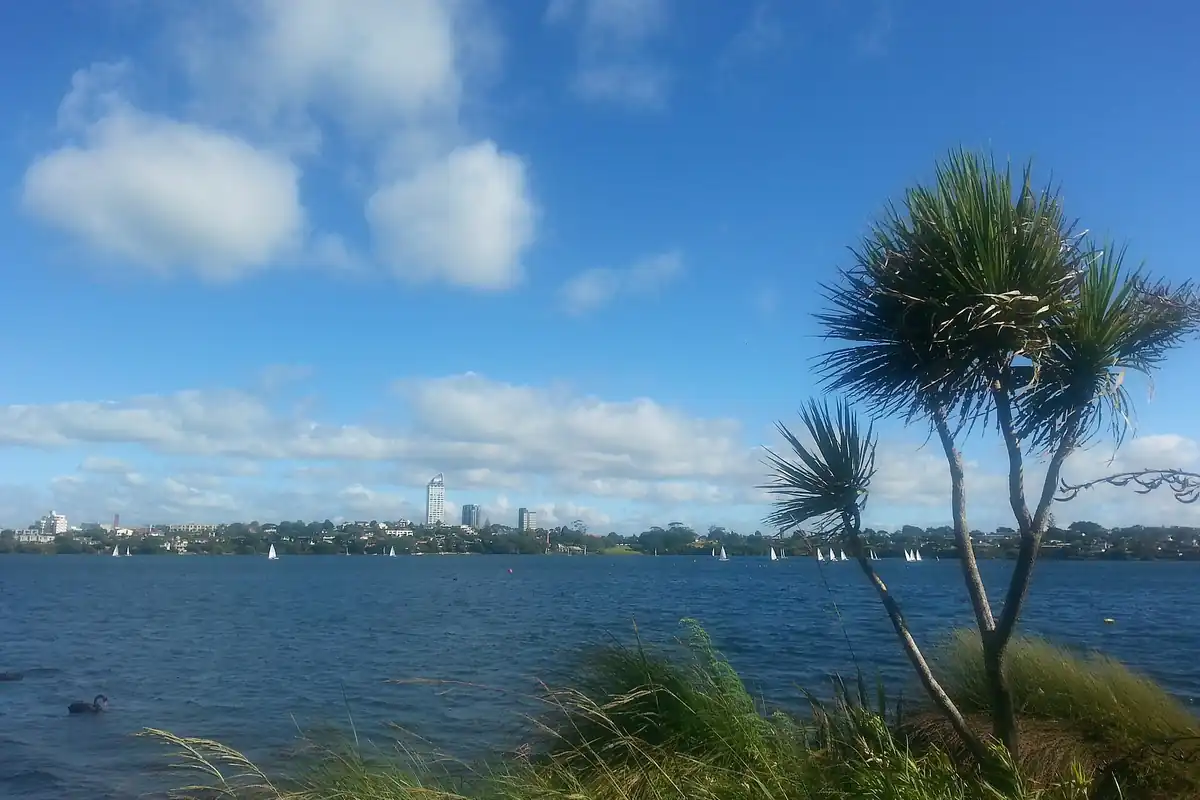
Takapuna and Milford grew as seaside suburbs: tourists and holiday-makers encouraged farmers to subdivide in the early 1900s, and Takapuna became the North Shore's administrative centre after the Harbour Bridge opened in 1959. Housing here runs from early beach bungalows and baches to mid-century family homes around Lake Pupuke, alongside plenty of newer apartments and rebuilds. Borer is most common in the older timber houses, and coastal exposure makes paint upkeep part of the job. We arrange a technician to come to you anywhere in Takapuna, Milford, Hauraki, Castor Bay or Forrest Hill, and quote in writing first. The general method is in how to treat borer.
Where does borer show up in a beach-suburb house?
In a Takapuna or Milford house, borer usually shows up in the roof framing and sarking of older bungalows, the subfloor of houses on piles, native timber floors, and the window joinery and weatherboards on the seaward side. Former baches extended over the decades can have a patchwork of timber, some treated and some not, which is why borer can be found in one part of a house and not another.
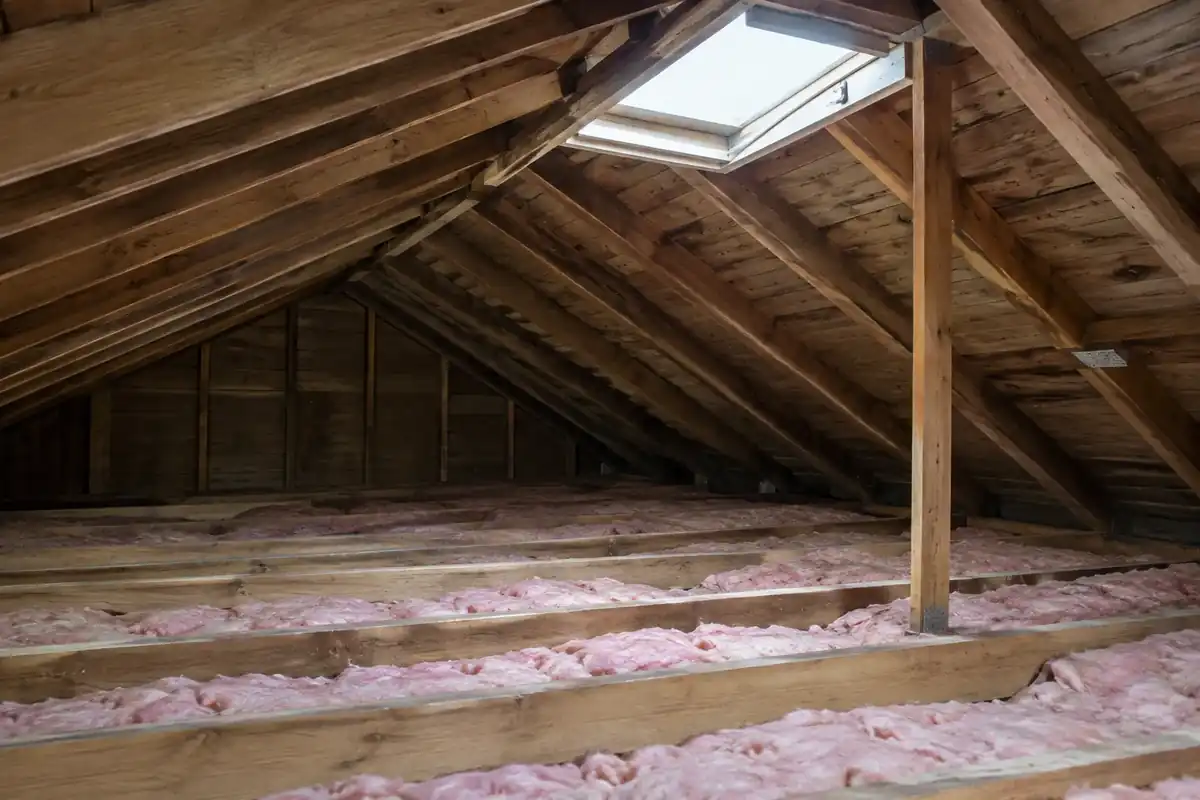
A torch at the roof hatch and a look under the house tell you most of what you need. Fresh, pale holes and new dust are the signs that matter.
Does living by the beach increase borer?
Living by the beach doesn't increase borer by itself, but salt and wind wear paint faster, and failing paint leaves bare timber where beetles can lay eggs and moisture can get in. The seaward walls of a house usually show it first. Keeping coatings sound, and injecting any live flight holes before repainting, is the coastal part of borer control.
| Exposure | What to watch |
|---|---|
| Seaward weatherboards and joinery | Paint breakdown, holes through paint, soft lower boards |
| Barge boards and fascias | Weathering and borer from the hidden back face |
| Decks and steps | Damp timber, rot, huhu in old untreated framing |
| Sheltered inland side | Usually less paint wear |
Our exterior timber page explains when boards can be saved and when they're replaced.
What's under the houses around Lake Pupuke?
Lake Pupuke is a volcanic maar, one of the oldest features of the Auckland volcanic field, and its eruption sent lava flows east towards the coast, which is where the Takapuna Fossil Forest's basalt came from. So some sites sit on volcanic rock while others are on the North Shore's clay. Rocky ground makes subfloor access uneven; clay drains slowly and can keep a subfloor damp after rain.
Borer under the floor or in the roof space? Get a written quote
Either way, the subfloor treatment is the same: a residual coat on every bare face of the framing. The subfloor treatment page covers what affects access and price.
Are mid-century homes here at risk?
Mid-century homes from the 1950s and 1960s are at lower risk in their framing, because boron-treated timber was widely used by then, but they often have native timber floors and later additions in mixed timbers. Native rimu floors under old carpet are a common place to find borer. If you're lifting carpet to restore floors, treat the bare boards between sanding and finishing, as the timber floor page explains.
Houses built in the late 1990s to 2004 may have untreated kiln-dried framing; check their roof and subfloor framing if you see holes.
How do apartments and townhouses fit in?
Apartments and newer townhouses rarely have borer in their structure, which is treated framing, concrete or steel. Where borer does turn up in them, it's usually in furniture brought in from an older house, or in timber joinery and floors salvaged from somewhere else. Check second-hand furniture before it comes inside; our furniture guide explains how to treat a piece.
What does a visit involve?
A visit involves a look at the roof space, subfloor and any timber with holes, then a written quote before any treatment. Parking near Takapuna's beach and town centre can be tight, especially in summer, so mention driveways or nearby parking. Clear the roof hatch and subfloor access, and keep pets away from treated areas until the product is dry.
What does it cost?
Published Auckland price lists put a roof space treatment at roughly $350 to $600 and a subfloor at about $450 to $750, with both together around $800 to $1,350. Large, extended or two-level houses cost more. Your price comes in writing after the visit. The cost page explains the factors and shows DIY prices for small jobs.
Questions people ask
Do old baches in Takapuna and Milford have borer?
Many do, because baches were often built cheaply from untreated timber and extended over time. Check the roof framing and subfloor for fresh holes.
Should I treat borer before repainting a beach house?
Yes. Inject live flight holes and treat any bare timber first, then fill and paint once the holes are quiet.
Do you cover Castor Bay and Forrest Hill?
Yes. Visits are arranged across the central North Shore, including Hauraki, Castor Bay, Forrest Hill, Sunnynook and Mairangi Bay.
The treatment methods are the same in every suburb and are explained at borer treatment in Auckland.