Borer in timber floors: when and how to treat
Native timber floors are one of the best things about an old Auckland house, and one of borer's favourite places. Timing the treatment with the floor work makes it easy.
Facts and prices checked 5 November 2026
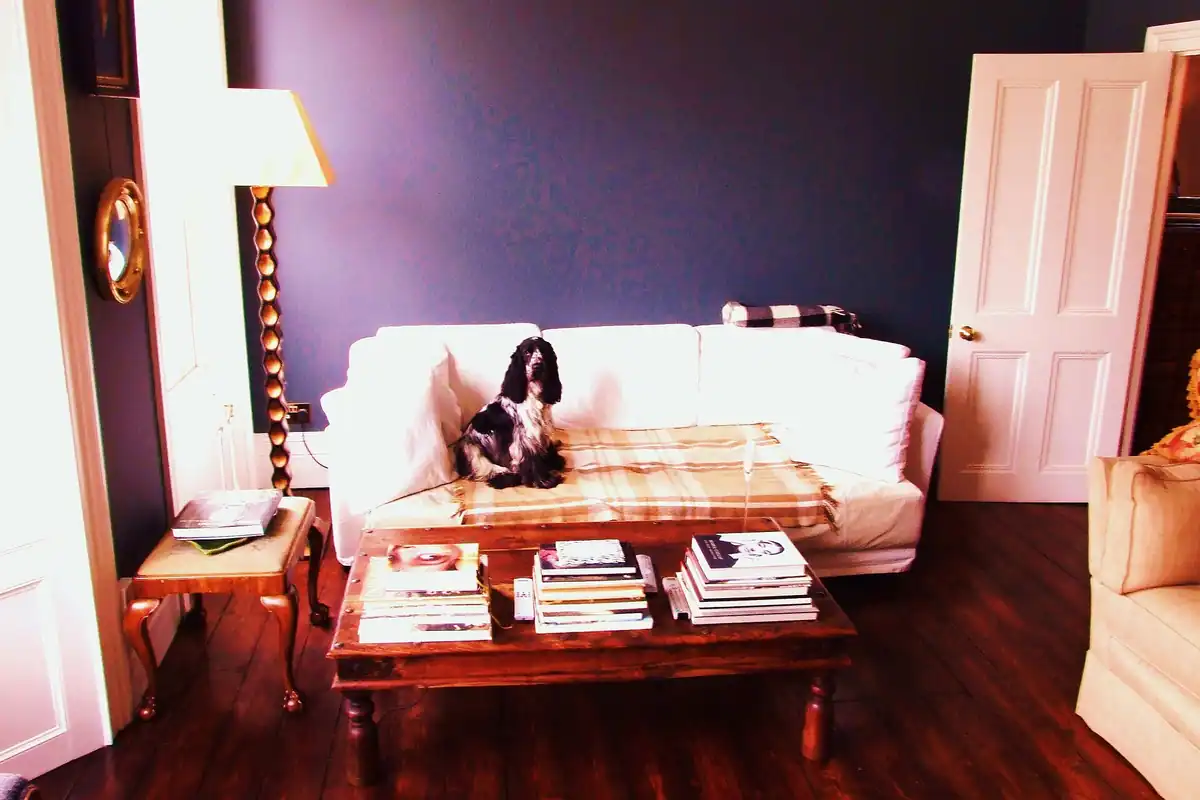
Borer in a timber floor is treated from two sides: the top face, by injecting flight holes through the finish or by coating the boards while they're sanded bare, and the underside, by treating the joists and board undersides from the subfloor. The cheapest and most thorough moment is during a floor sanding, when every board is bare for a day or two. This page covers that window, finished floors, and what longhorn damage means. Underneath, see subfloor borer treatment.
Why do borer go for native timber floors?
Borer goes for native timber floors because many were laid as untreated rimu, matai, kauri or kahikatea, and the sapwood in those boards is food for the common house borer. The boards' undersides are bare and sit over a humid subfloor, which suits the larvae. Two-toothed longhorn also attacks rimu heartwood, and it's a more serious pest of rimu floors.
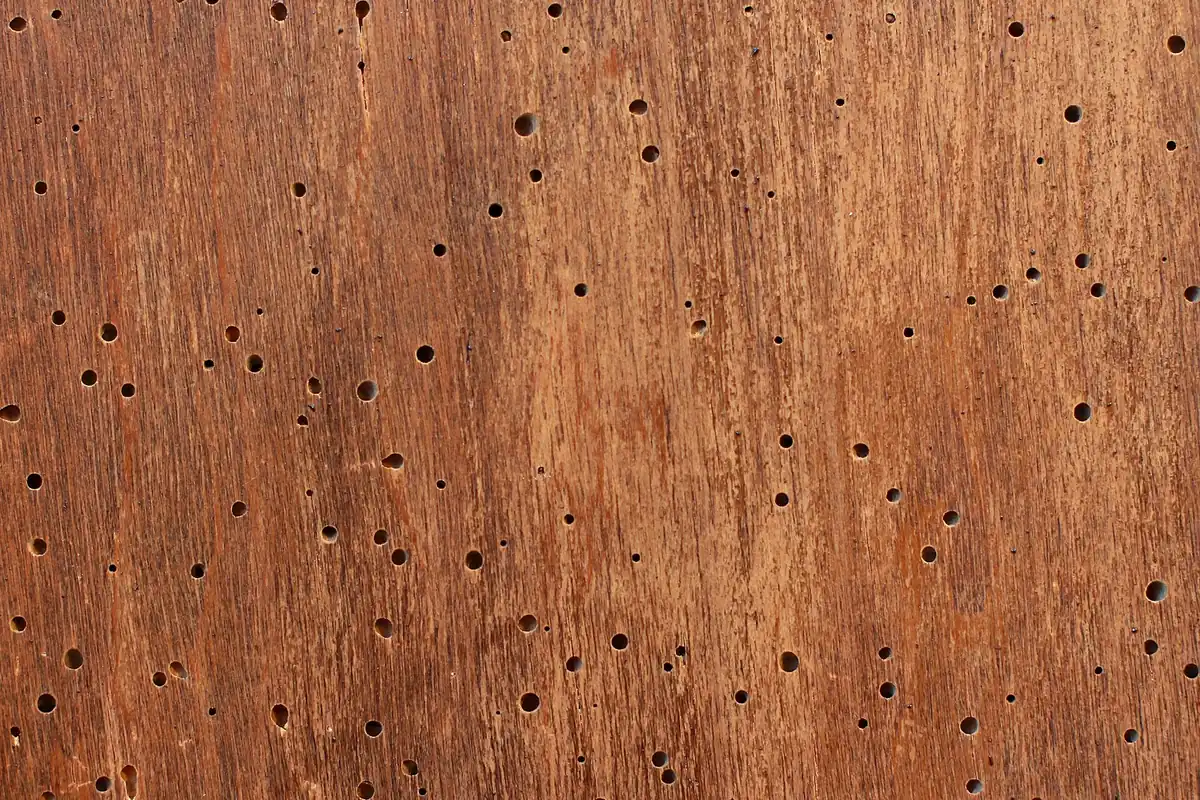
A few holes in an old floor are normal and often decades old. What matters is whether they're fresh. Our answer on which timbers borer eat covers the timber side, and borer holes helps you date what you see.
When is the best time to treat a timber floor?
The best time is straight after sanding and before the new finish goes on. The boards are bare, so a residual borer product can soak into the top face of every board in the room, not just the holes. That protection then sits under the new finish. Ask your floor sander to allow a drying gap between treatment and coating.
How that window usually runs:
- Sand to bare timber and vacuum thoroughly.
- Apply the borer product evenly to the bare boards, keeping to the label's rate.
- Let it soak in and dry fully. Water-based products need drying time before any finish.
- Check compatibility. Test the finish over a treated offcut or a hidden corner first, because some floor finishes react to residues or oils.
- Coat the floor once the test is clean.
Treat the underside from the subfloor in the same week if you can, so both faces are covered.
How are finished floors treated?
A finished floor is treated by injecting each active flight hole through the polyurethane, oil or wax, and by coating the board undersides from below. A surface spray on top of a finished floor does nothing useful, because it can't soak through the finish and it leaves a slippery residue. Injection is slow on a floor with many holes, but it reaches the larvae in their tunnels.
Borer under the floor or in the roof space? Get a written quote
| Floor situation | What works |
|---|---|
| Sanding planned soon | Treat bare boards between sanding and finishing |
| Polyurethane finish, a few fresh holes | Inject holes; treat underside from subfloor |
| Oiled or waxed boards | Inject; test any product on a hidden spot first |
| Carpet over old boards | Lift edges to check; treat from the subfloor |
| Soft, crumbling boards near holes | Replace the boards; treat the rest |
What does longhorn damage in a floor mean?
Longhorn damage means oval exit holes about 3 to 7 mm long and, often, timber that's been hollowed out below a thin skin. The two-toothed longhorn tunnels through heartwood as well as sapwood, and its larvae can live in timber for many years. Damage is usually severe, and affected boards often need replacing rather than treating. If your rimu floor shows oval holes or sags underfoot, have it looked at.
The adult longhorn flies in autumn and early winter, not summer, so a longhorn check is worth doing in April or May. See the borer beetle page for how to tell the species apart.
Can you treat a floor yourself?
You can treat a floor yourself when it's sanded bare, using a residual borer product at the label rate and the drying times it gives. Injecting a few holes in a finished floor is also a manageable DIY job. Treating the underside means working in the subfloor, which is where many people bring in help. Our DIY cost guide works out how much product a room of boards takes.
Questions people ask
Will borer treatment affect my new floor finish?
It can, if the product hasn't dried or isn't compatible. Let the treatment dry fully as the label directs, and test the finish over a treated hidden area first. Talk to your floor sander about timing.
Do I need to fill borer holes before finishing the floor?
Many floor sanders fill holes with a matched filler before coating. Only do this once you're confident the borer is dead, because filled holes hide new activity. Treating the bare boards first makes this safer.
Is a borer-damaged floor still safe to walk on?
Most floors with scattered borer holes are fine. Boards that feel soft, crack, or flex underfoot are a different matter and should be checked and replaced if needed. Damage near the edges of rooms and under heavy furniture is worth a look.
Where this method sits among the others is laid out on our main page for borer treatment across Auckland.