Borer answers
The questions that come up once borer is found, answered one at a time, each linked back to the main guides.
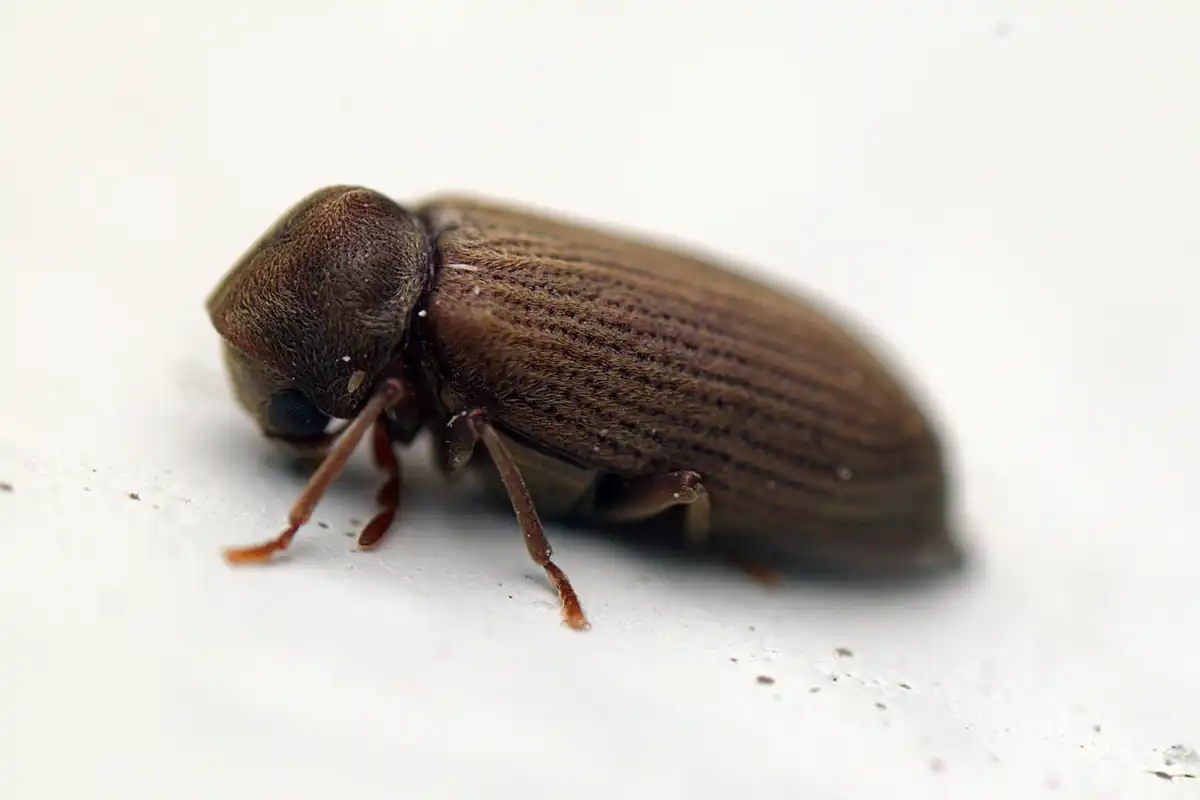
This library answers the practical borer questions that the main guides only touch on: whether foggers work, what kerosene really does, whether a treatment is safe with a cat in the house, how long it lasts, and whether insurance will help. Each answer opens with a direct reply, explains the reasoning, cites its sources, and links to the guide that covers the bigger picture. Start with how to tell if borer is active if you haven't yet: it decides whether you need to treat at all.
Is it active, and what is it?
Before treating anything, confirm the borer is alive and know what you're looking at. The answers on how to tell if borer is active and borer dust cover the signs. Which timbers borer eat explains why some boards are riddled and the next one isn't, and treated timber covers newer framing.
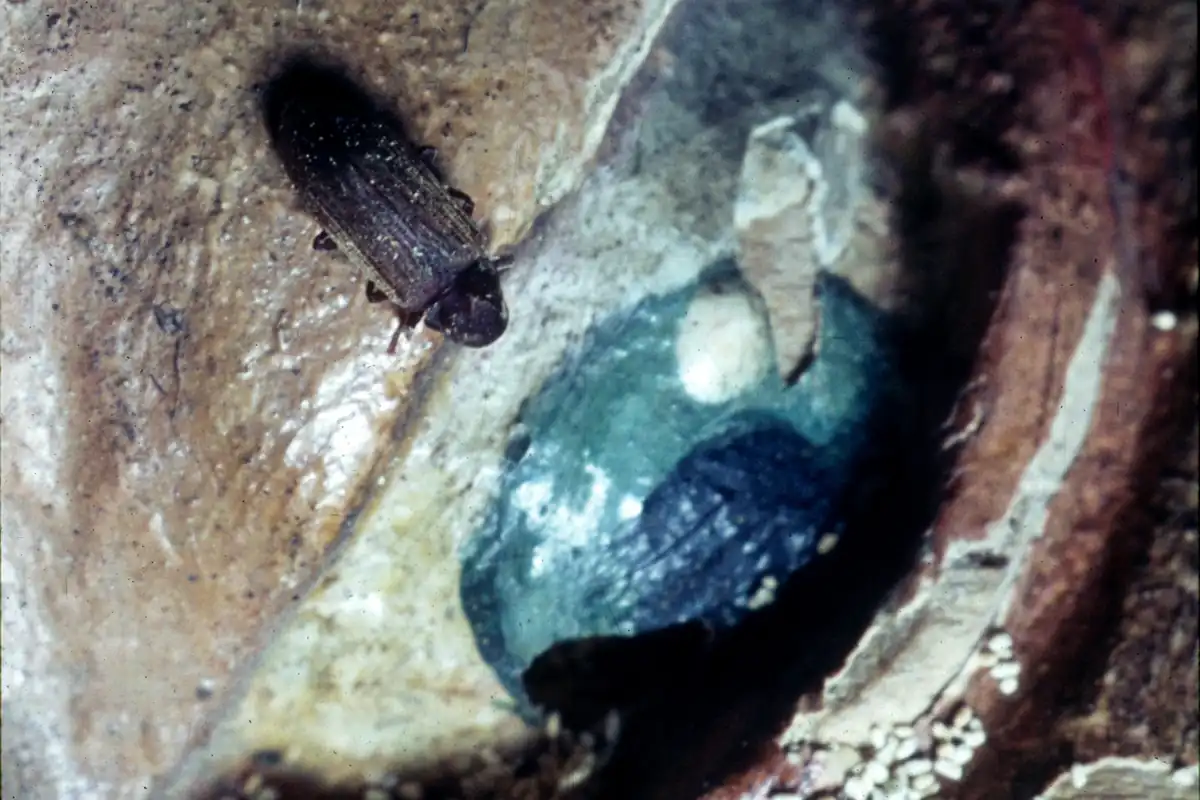
Products, remedies and what reaches the larvae
Most wasted money on borer goes on products that can't reach the larvae. Read do borer foggers work, kerosene, turps and fly spray and natural borer treatment before you buy. Then products or a specialist helps you split a job between DIY and a technician, and DIY mistakes lists the shortcuts that backfire.
Safety at home
Safety answers cover the people and animals in the house. Pets and children explains why cats and fish need extra care with permethrin. Leaving home sets out what each treatment needs from the household, and disposal covers leftovers and empty bottles.
Timing, lasting and paperwork
Timing and follow-up answers cover the long game. Treating borer in winter and how long treatment lasts explain why a residual coat works any month, and the huhu grub life cycle shows why huhu are a moisture problem first. Insurance covers what most house policies say, and painting and filling holes cover the finishing work.
Around the property
Borer doesn't stop at the house walls. Timber stored, stacked or brought in from elsewhere can carry live larvae into a house that was clear, so it pays to check it. Firewood and recycled timber, sheds and garages and freezing small items deal with the timber around it.
Every answer
- Insurance Does NZ house insurance cover borer? Insect damage and gradual deterioration are common exclusions. What to check in your policy and why records help.
- Borer dust What borer dust (frass) looks like, how common borer, powderpost beetle, huhu and termite debris differ, where it collects, and what fresh dust means for treatment.
- Firewood and recycled timber Can firewood or recycled rimu and kauri bring borer into a house? How to check salvaged timber, store firewood and treat reclaimed boards.
- Sheds and garages Borer in a timber shed or garage: why open framing suits DIY treatment, how to treat it, stored furniture, and when to check the house.
- Products or a specialist The borer products sold in New Zealand hardware stores, what each one reaches in the timber, and when a borer specialist is the better choice.
- Treated timber Can borer attack treated timber? H1.2 framing resists borer, but cut ends, leaching and the 1995 to 2004 untreated-framing window matter.
- Disposal What to do with leftover borer treatment: why it never goes down drains, using up mixed product, empty containers, and council options.
- DIY mistakes The DIY borer treatment mistakes that waste money: spraying paint, one thin coat, fogger only, ignoring damp, filling holes too soon.
- Do foggers work Do borer foggers work? They kill adult beetles flying when they're set off, not the larvae in the timber. When a fogger helps, when it's wasted, and safe use.
- Leaving home Most borer treatments don't need you to move out. What residual subfloor and roof treatments need, when foggers mean leaving, and a simple treatment-day checklist.
- Painting and borer Does painting stop borer? Paint stops eggs being laid on the painted face, but larvae inside chew out through it. Why to treat before painting, and inject after.
- Filling borer holes The best way to fill borer holes in floors, trim, weatherboards and furniture, why you treat first, and how to fill holes before painting.
- Freezing and heat Can you freeze borer out of furniture? How museums use low temperatures on wooden objects, bagging, freezer temperatures, and why heat is riskier.
- How long it lasts How long a borer treatment lasts on bare timber, why it has to outlast a 3 to 4 year larval stage, when UV shortens it, and how to tell when to treat again.
- Is it active How to tell if borer is active or long gone: fresh pale holes, dust that comes back after cleaning, the paper test, beetles at windows, and when to look.
- Huhu life cycle The huhu grub life cycle stage by stage: eggs in summer, two to three years as a grub in damp wood, a 25-day pupa, and a beetle that lives about two weeks.
- Pets and children Is borer treatment safe with pets and children in the house? Label rules, why cats and fish need extra care, drying times and what to do if exposed.
- Kerosene, turps and fly spray Does kerosene kill borer? What kerosene, turpentine and fly spray actually do to borer in timber, why they don't stop an infestation, and what does.
- Natural options Natural, non-toxic and organic borer treatments tested against the evidence: vinegar, baking soda, borax, oils, sunlight, freezing and heat, and what actually works.
- Winter treatment Yes, borer can be treated in winter. Why residual treatments and injection work out of season, what damp weather changes, and what to leave until spring.
- Which timbers Which timbers borer eat in NZ: sapwood of rimu, kahikatea and radiata pine, why heartwood mostly resists, and what longhorn and powderpost beetle prefer.
Can't find your question? Call or email us and ask. Questions that come up often become new answers here.
For the overview before the detail, start at Auckland borer treatment.