Treating borer in winter
No beetles are flying, but the larvae are still eating. Winter is a perfectly good time to treat, with a few weather caveats.
Facts and prices checked 5 November 2026
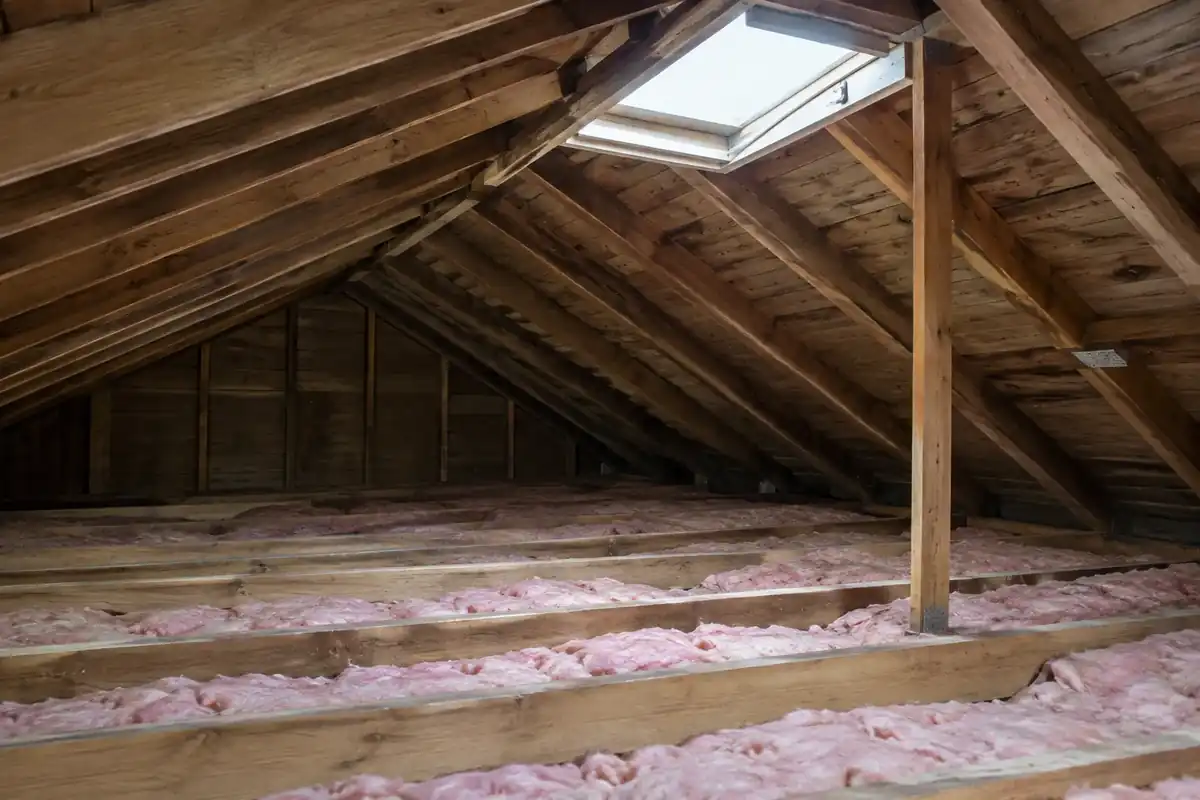
You can treat borer in winter. A residual treatment on bare timber and injection of flight holes both work whatever the month, because the larvae inside the wood feed all year and the coat is there to catch beetles when they emerge next spring and summer. Winter roof spaces are far more comfortable to work in. What winter changes is drying: damp subfloors and wet exterior timber take longer to absorb and dry, so pick a dry spell. The one thing not worth doing in winter is fogging, because no adults are flying. The treatment timing guide covers the whole year.
Does borer treatment work when beetles aren't flying?
Borer treatment works when beetles aren't flying because it isn't aimed only at beetles. A residual coat sits in the outer layer of the timber and waits. When the larvae inside pupate and chew out as beetles in late spring and summer, they meet it, and so do the eggs laid afterwards. Applied in July, it's in place well before the main November to January emergence.
Injection also works in winter, because it delivers insecticide straight into the tunnels where the larvae are feeding.
What's harder about winter treatment?
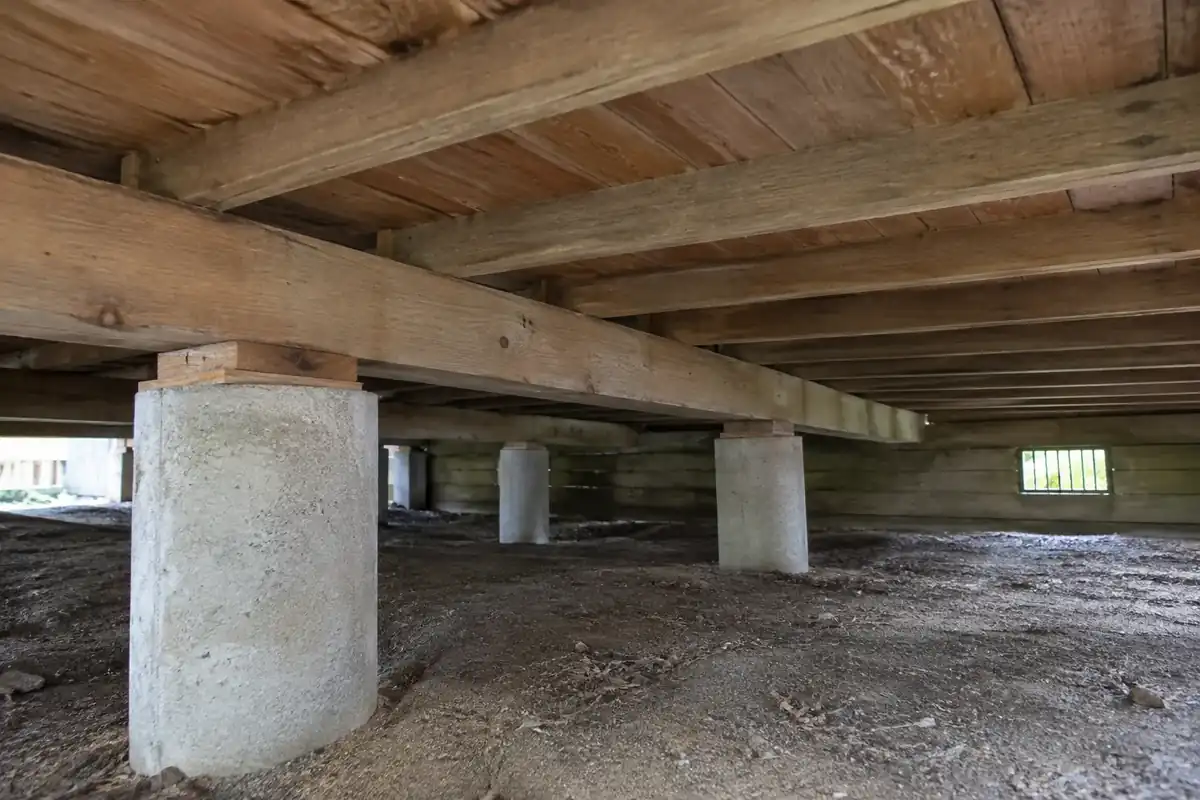
Damp is what's harder about winter. Subfloors over wet ground can stay humid for weeks, and timber that's wet on the surface doesn't take up a water-based product as well. Exterior boards may not dry between showers. Short days mean less light in roof spaces and under the house. Most of this is solved by picking a dry week and letting the timber dry out first.
| Area | Winter conditions | What to do |
|---|---|---|
| Roof space | Cool, comfortable | Ideal time for roof work |
| Subfloor | Damp, slower drying | Wait for a dry spell; ventilate |
| Exterior timber | Rain risk | Treat only with a dry forecast |
| Inside furniture and floors | Cold slows drying | Keep rooms ventilated, allow extra drying time |
| Foggers | No adults flying | Skip until the flight season |
Is winter a good time to book a treatment?
Winter is often a good time to book, because the roof space is cool, the job isn't rushed by the summer heat, and the coat will be in place before spring. If you found fresh holes over summer and didn't get to it, treating in winter means next season's beetles emerge into treated timber. The written quote will note any areas that need a drier day.
Borer under the floor or in the roof space? Get a written quote
The roof space treatment page explains why a cool day makes that work easier and safer.
Should you wait until spring instead?
You don't need to wait until spring. Spring treatment is popular because it's just before the main emergence and dry spells are more common, but a winter coat does the same job, since it lasts for years. The only reason to wait is if the area you need treated is too wet to take the product now. Waiting a whole season with active borer gains nothing.
How do you check for borer in winter?
Checking in winter is harder, because there's little fresh dust and no beetles at windows. Look for pale, crisp holes and soft timber instead, and vacuum known holes so you can compare next summer. Mark a few holes with a pencil circle. If new holes or dust appear inside or near the circles in summer, the borer is active. Our answer on how to tell if borer is active has the full method.
After a winter treatment, look again between December and February. Our answer on how long borer treatment lasts explains what to expect.
Questions people ask
What is the best month to treat borer?
Any month works for a residual treatment. September and October are popular because they're just before the main emergence, and winter suits roof spaces. Treat whenever you find active borer rather than waiting for a particular month.
Can you treat borer when it's raining?
Indoor, roof space and dry subfloor work can go ahead in rain. Exterior timber and wet subfloors should wait for a dry spell, so the product soaks in and dries properly.
Do borer larvae die in cold weather?
No. Auckland winters aren't cold enough to kill larvae inside timber. They slow down in cooler weather and carry on feeding.
Short answers like this one feed into Borer Wise, which sets out every option from DIY to a professional visit.