Timing a borer treatment around the flight season
Borer beetles fly in the warmer months, but the larvae feed all year. That shapes when to treat, when to look and when a fogger is worth it.
Facts and prices checked 8 November 2026
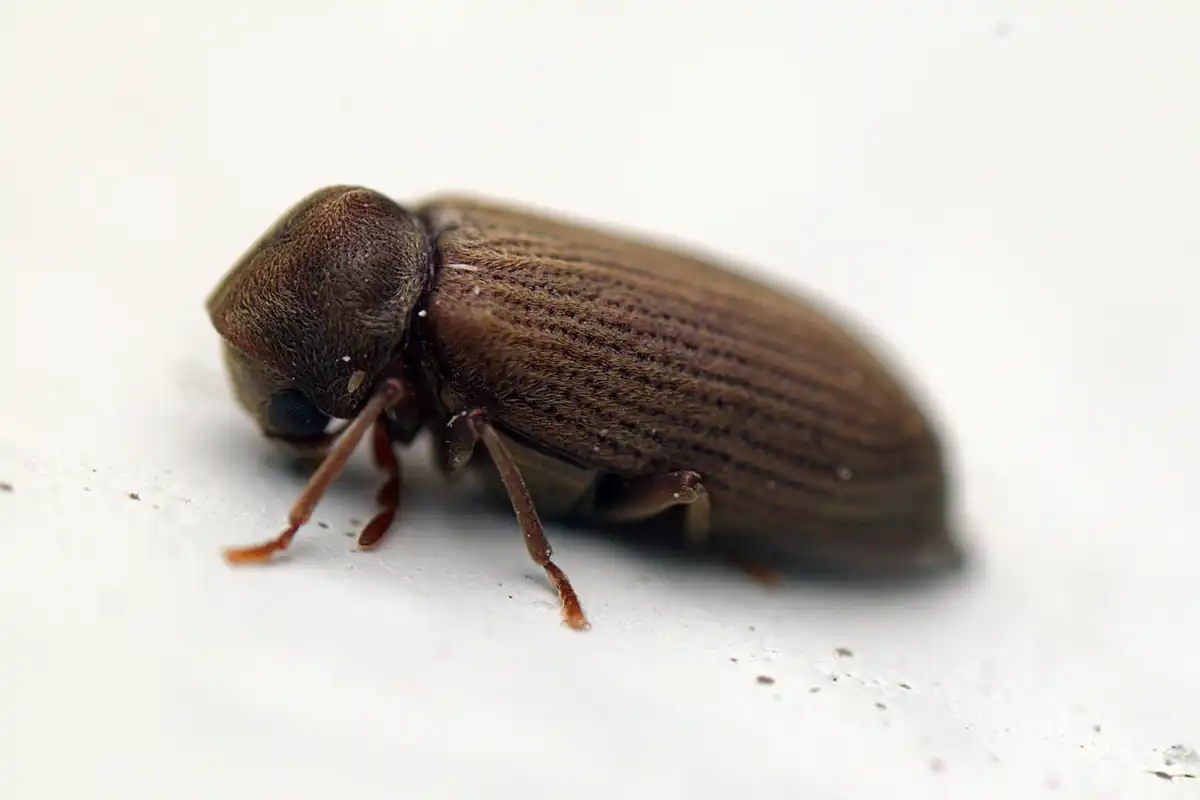
You can treat borer at any time of year with a residual product on bare timber, because the larvae inside feed all year and the coat lasts for years. What the flight season changes is how you find borer and whether a fogger is worth using. In Auckland the common house borer's adults mostly emerge in late spring and summer, roughly November to January, sometimes from October and into March. The two-toothed longhorn flies in autumn, and huhu from November to early March. This guide lines those seasons up with a practical plan. The steps themselves are in how to treat borer.
When do borer beetles emerge in Auckland?
The common house borer emerges mainly from November to January, with some beetles from October and into March. That's when fresh holes, new dust and small brown beetles at windows appear. Two-toothed longhorn adults emerge in autumn and early winter instead, and huhu fly from November to early March, peaking from mid-December to late February, after two or three years as grubs (huhu life cycle).
| Insect | Main emergence | What you notice |
|---|---|---|
| Common house borer | November to January (October to March at the edges) | Fresh 1 to 2 mm holes, gritty dust, small beetles at windows |
| Native house borer | Similar season, similar signs | Hard to tell from the common borer without a lens |
| Two-toothed longhorn | Autumn into early winter | Oval holes 3 to 7 mm, often in rimu |
| Huhu | November to early March | Big beetles at lights at night; large oval holes in damp timber |
The borer beetle page helps you tell them apart.
Why can you treat borer any month?
You can treat any month because a residual borer treatment is aimed at the next generation as much as the current one. It sits in the outer layer of bare timber and kills beetles chewing out, adults laying eggs and larvae hatching in. Larvae live inside for three to four years, so the coat has to work across several seasons anyway, whatever month it goes on.
Winter has practical upsides: roof spaces are cooler and technicians are often less busy. Subfloors can be damper, which can slow drying. Our answer on treating borer in winter covers the cool-season details.
Why is spring a popular time to treat?
Spring is popular because it's just before the main emergence. Timber treated in September or October has its coat in place when the first beetles chew out and start laying eggs, so that season's eggs land on treated wood. The roof space is still cool enough to work in comfortably, and the dry spells make subfloor and exterior work easier.
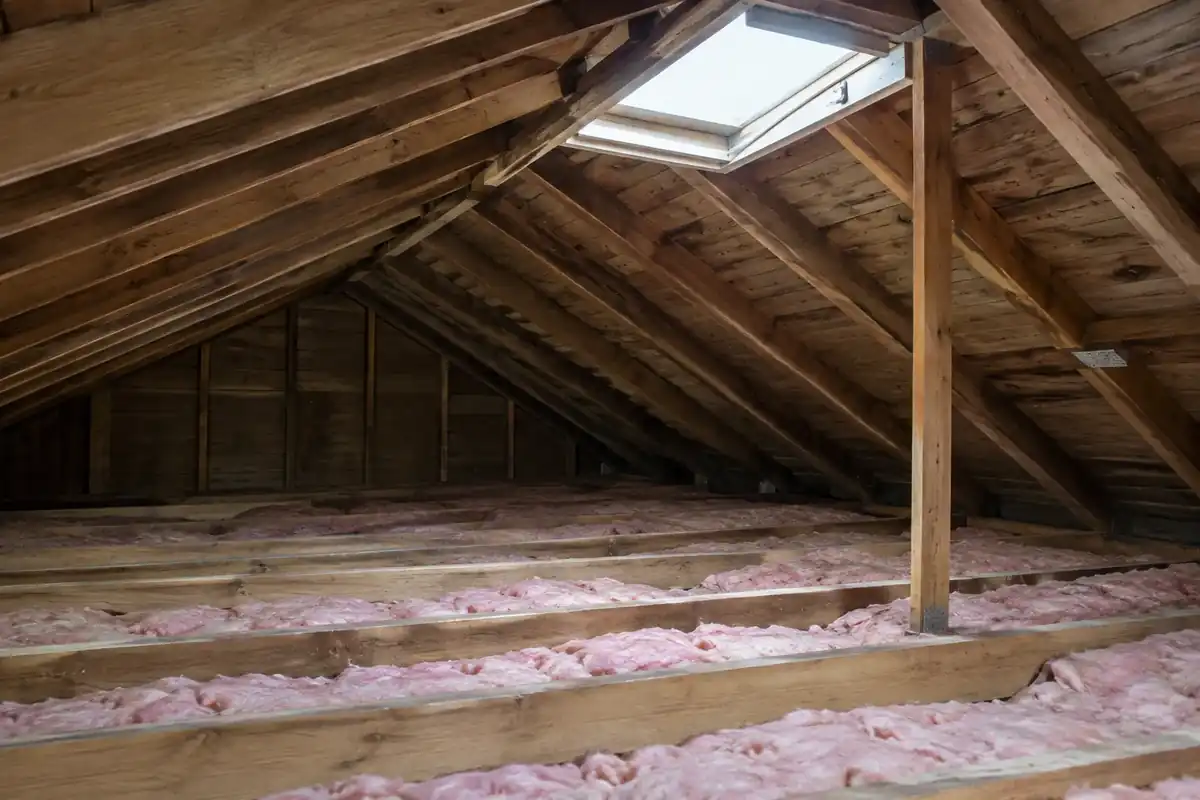
If you notice borer in summer, don't wait for next spring. Treating mid-season still catches the later emergers and every generation after.
When does a fogger make sense?
A fogger only makes sense during the flight season, roughly October to March, and only as an extra. Its mist kills adult beetles in the air at that moment, which can cut down egg-laying in an enclosed roof space. It leaves no lasting layer on the timber, so it does nothing for larvae or for beetles that emerge next week. See do borer foggers work.
Borer under the floor or in the roof space? Get a written quote
When should you check for active borer?
Check for active borer at the height of the flight season, from about December to February for the common borer, when fresh holes and dust are easiest to spot. Vacuum old dust in spring, then look again in summer: new dust under a hole means something emerged recently. For longhorn, look in autumn. Repeat the check a year after any treatment.
A simple yearly routine:
- September: vacuum known holes and dust in the subfloor, roof space hatch area and floors.
- December to February: look for new holes, new dust and beetles at windows.
- April to May: check rimu floors and framing for oval longhorn holes.
- After treatment: repeat for the next two seasons before filling holes for good.
Our answer on how to tell if borer is active explains the tests.
Does the weather matter on treatment day?
Weather matters most for exterior timber and subfloors. Products need dry timber to soak into and time to dry, so avoid treating exterior boards before rain and avoid a subfloor that's wet from a recent storm. Roof spaces are the reverse: avoid hot afternoons. A technician will suggest a day that suits the job when you book.
The subfloor and roof space pages cover the work in each area.
Questions people ask
What month do borer fly in New Zealand?
The common house borer flies mainly from November to January, sometimes from October and into March. Two-toothed longhorn flies in autumn and early winter, and huhu from November to early March.
Is it too late to treat borer in summer?
No. A residual treatment applied in summer still catches the beetles that haven't emerged yet and protects the timber against every later generation. Treat as soon as you find active borer.
Should I treat before or after the beetles come out?
Before is slightly better, because the new eggs land on treated timber. Either works, because the treatment lasts for years and the larvae take years to develop.
Where this fits in the bigger picture is laid out on our main page for borer treatment across Auckland.