Do borer foggers work?
The fogger is the most bought and least understood borer product. It does one job, for one moment.
Facts and prices checked 5 November 2026
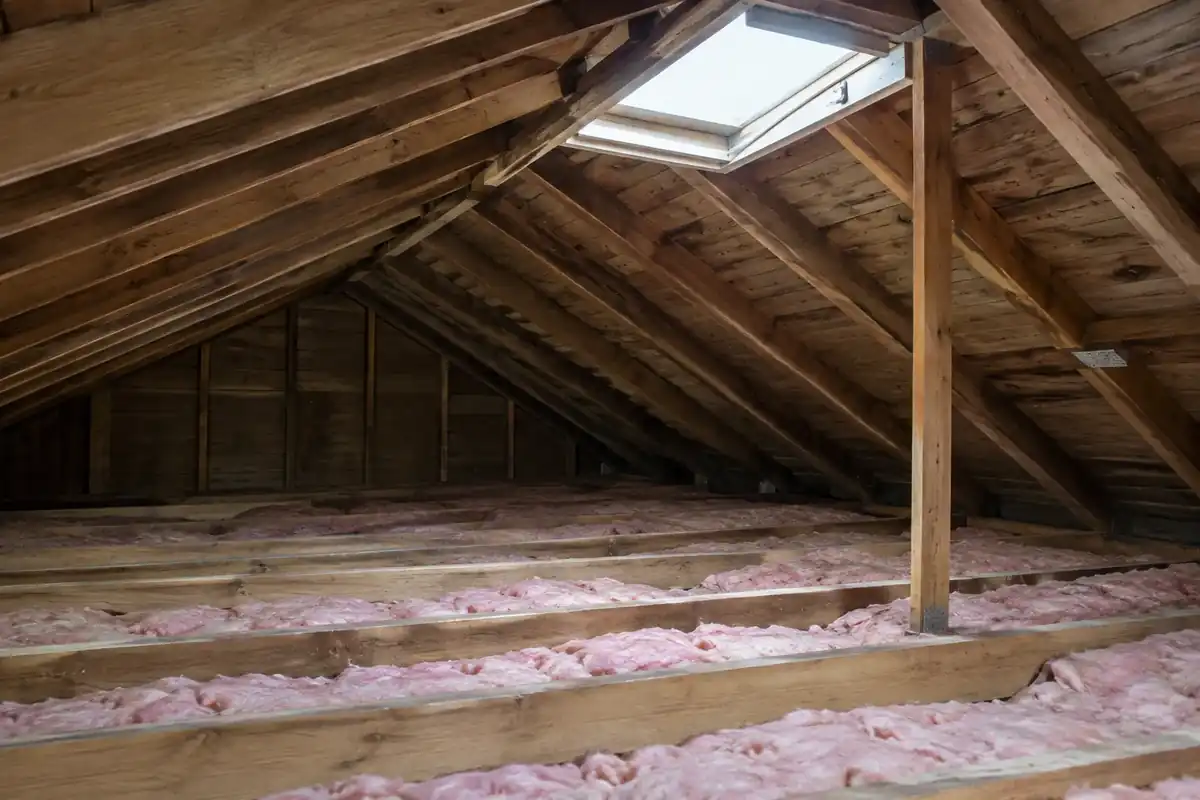
Borer foggers (often called bug bombs) kill adult borer beetles that are flying in the space when the fogger goes off, and that's all. The mist settles and leaves no lasting layer on the timber, so the larvae inside, which live there for three to four years, keep feeding, and next week's beetles emerge as normal. Consumer NZ says airborne treatments only kill adults in flight, roughly November to March. Used alongside a residual treatment in the flight season, a fogger can cut egg-laying in a roof space. On its own it doesn't stop borer. The full method is in how to treat borer.
What does a borer fogger actually do?
A borer fogger releases a fine insecticide mist that fills an enclosed space, such as a roof void, for a short time. Insects in the air or resting on exposed surfaces when it drifts past are killed. Once the mist settles, the effect is largely over. It doesn't soak into the timber and it doesn't reach larvae in their tunnels, so it can't end an infestation.
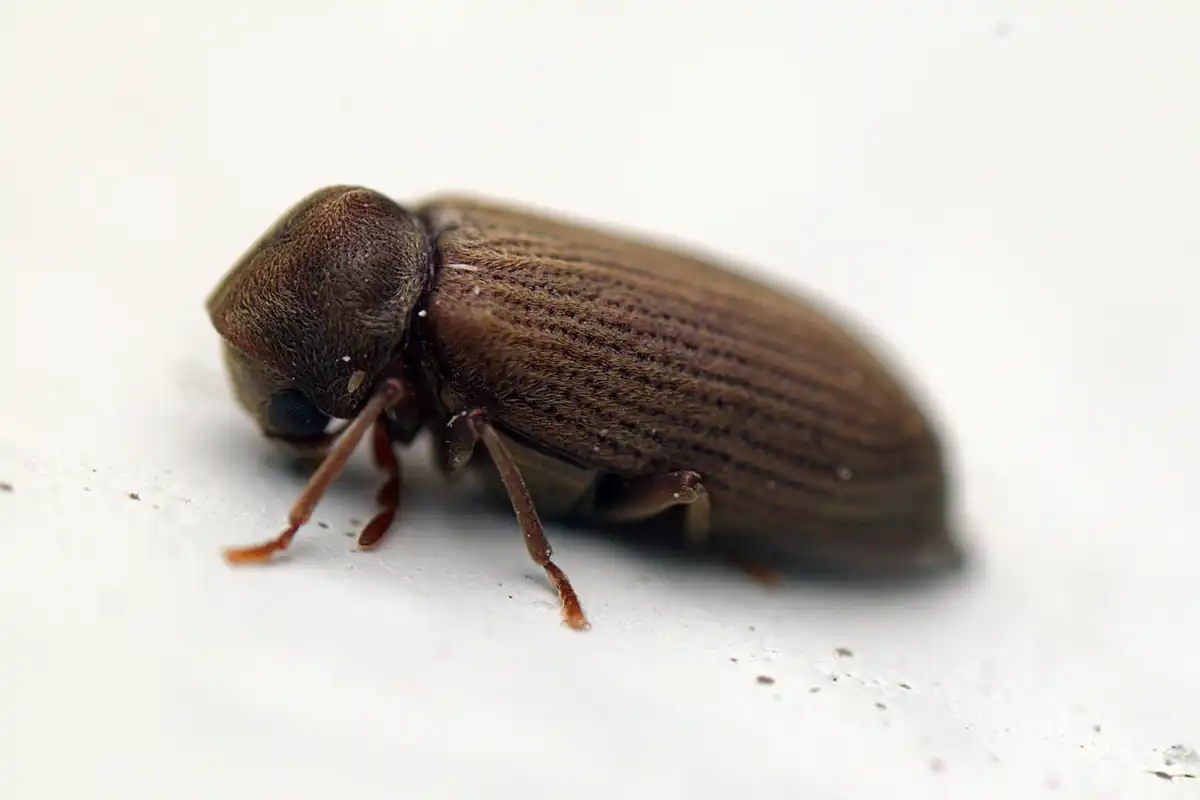
Kiwicare's own three-step programme reflects this: its fogger is the step for knocking down adult beetles from October to March, while larvae are dealt with by treating bare wood and injecting flight holes.
When is a fogger worth using?
A fogger is worth using only in the flight season, roughly October to March, in an enclosed space where you know beetles are emerging, and only as an extra to a residual surface treatment. Killing adults before they lay eggs reduces the next generation a little. Used in winter, when no adults are flying, it does nothing useful at all.
| Situation | Is a fogger worth it? |
|---|---|
| Roof space with fresh holes in December, timber also treated | Some value as an extra |
| Roof space with fresh holes, nothing else done | No; the larvae carry on |
| Subfloor ("bomb under the house") | Little value; it's open to the air and larvae are untouched |
| Winter, no beetles about | No |
| Living areas | Avoid; use injection on finished timber instead |
Why doesn't a fogger fix the problem?
A fogger doesn't fix the problem because borer spends almost all its life as a larva inside the wood, out of reach of any mist. Adults live only up to about four weeks and don't feed. Kill the adults flying today and you've touched a small slice of one generation. A residual treatment on bare timber, by contrast, sits there for years and catches every beetle and hatchling that crosses it.
Borer under the floor or in the roof space? Get a written quote
That's the core idea behind subfloor and roof space treatment, and why both rely on a lasting surface coat.
How do you use a fogger safely?
Use a fogger exactly as its label says: one can per the stated room volume, everyone and every pet out of the space, fish tanks covered and pumps off, food and utensils put away, pilot lights and flames off, and smoke alarms in the space dealt with as the label directs. Stay out for the time on the label, then ventilate before going back in.
- Read the label for room size, exit time and re-entry time.
- Remove people and pets; cover or remove fish tanks.
- Turn off flames and anything that sparks.
- Close the space, set it off, leave.
- Ventilate well afterwards and wipe surfaces that touch food.
Our answers on pets and children and leaving home for treatment cover the household side.
What should you use instead?
Use a residual borer treatment on bare timber, and an injector on flight holes in painted or varnished timber. Those two reach the parts of the problem a fogger can't. Fix damp at the same time, because humid timber suits borer. If the roof space or subfloor is too awkward to coat yourself, that's the part to hand over. The borer products page compares the options, and the timing guide explains when each one fits.
Questions people ask
Do borer bombs work under the house?
Not well. A subfloor is open to the air through vents and gaps, so the mist disperses quickly, and it never reaches the larvae in the joists and boards. A residual surface treatment on the subfloor timber is what lasts.
How often should you use a borer fogger?
There's no point using one repeatedly. If you use one at all, it's during the flight season as an extra to a residual treatment. Repeated fogging without treating the timber just kills a few adults each time.
Is a fogger the same as fumigation?
No. A fogger is an aerosol insecticide mist. Fumigation uses a gas under sealed conditions and needs a WorkSafe controlled substance licence. Tented whole-house fumigation is not standard practice for borer in New Zealand homes.
Short answers like this one feed into Auckland borer treatment, which sets out every option from DIY to a professional visit.