Borer in a rental: a guide for landlords and tenants
Borer in a tenanted house raises extra questions: whose job it is, how much notice is needed, and how to treat timber safely while people live there.
Facts and prices checked 5 November 2026
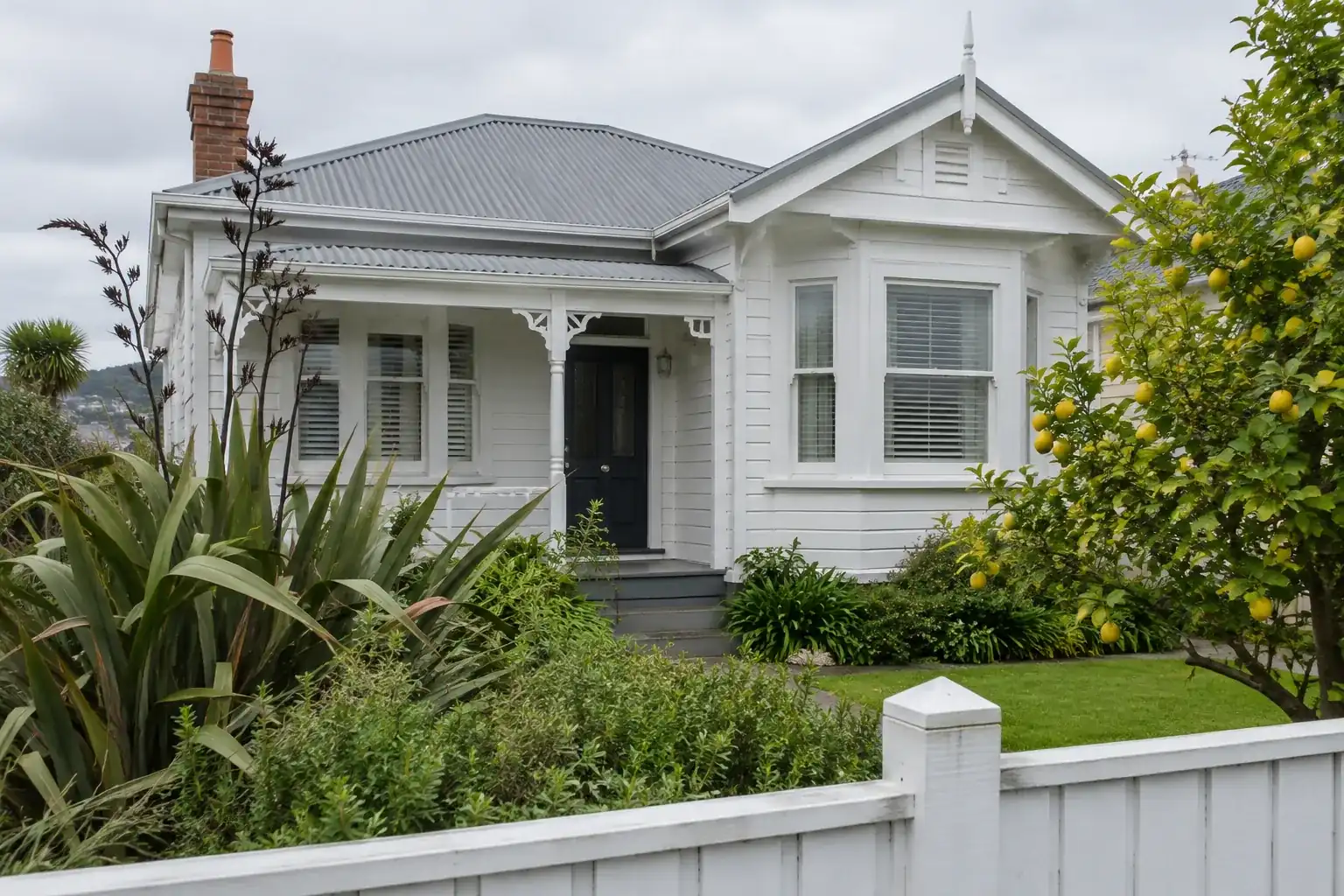
In a rental, borer treatment is the landlord's job. The Residential Tenancies Act 1986 requires landlords to keep the premises in a reasonable state of repair, and timber being eaten by borer is a repair issue. Tenants have their own duty to tell the landlord promptly about damage or anything needing repair. Treatment usually means the subfloor and roof space, done with notice and with care around the people living there. This page covers the rules and the practical side. For the treatment itself, see subfloor treatment.
Who is responsible for borer in a rental?
The landlord is responsible for borer in a rental. Section 45 of the Residential Tenancies Act 1986 requires the landlord to provide and maintain the premises in a reasonable state of repair, having regard to the property's age and character. Treating active borer and repairing weakened timber fall within that duty. The tenant isn't expected to treat the house's structure themselves.
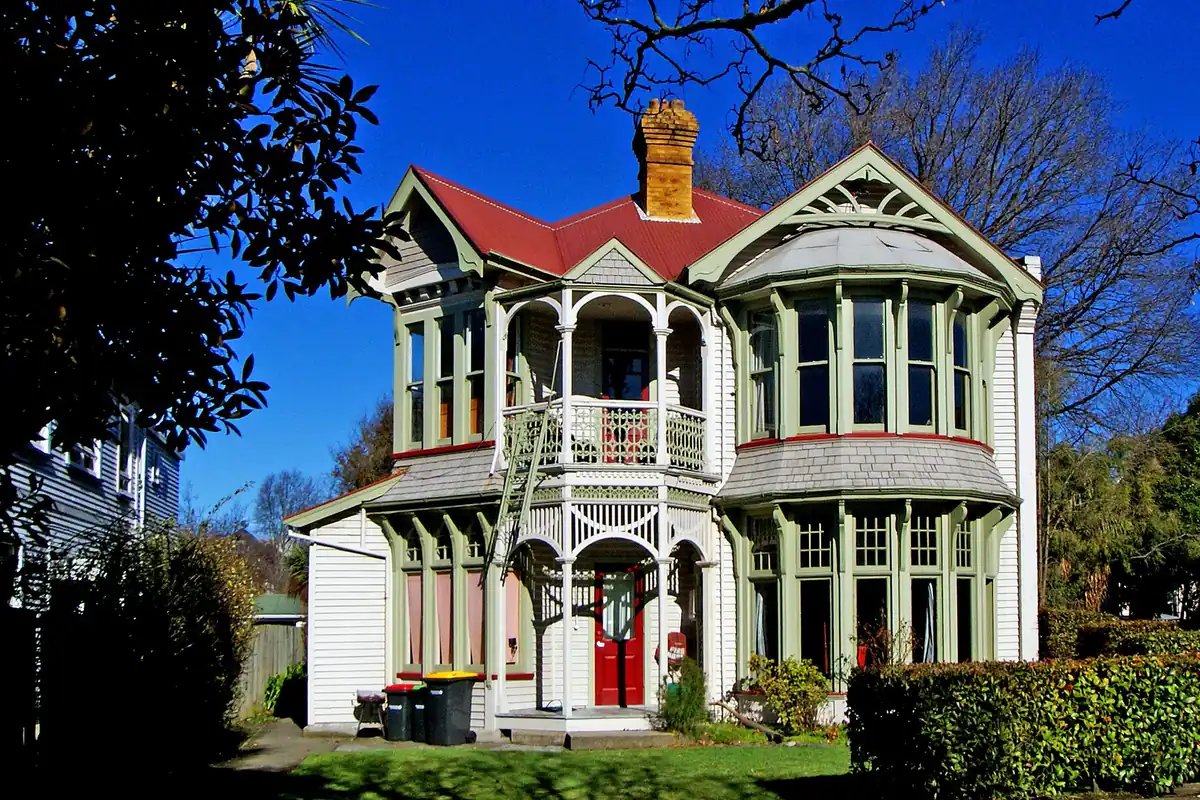
That doesn't mean every old hole needs action. A few dark, inactive holes in an old villa floor are part of its character. Fresh holes, new dust and soft timber are the signs that call for treatment. Our page on borer holes helps tell the difference.
What should tenants do when they see borer?
Tenants should tell the landlord or property manager promptly, in writing, with a few dated photos. Section 40 of the Act requires tenants to notify the landlord as soon as possible of any damage or need for repairs. Note where the holes and dust are, whether you've seen beetles at windows, and whether furniture you own is affected. Don't spray anything into the house yourself.
What makes a useful report:
- Photos of the holes with something for scale, such as a coin
- Whether fine dust comes back after vacuuming
- Where in the house (room, floor, skirting, window frame)
- Any soft or springy floorboards
- When you first noticed it
How much notice does a landlord need to give?
A landlord generally needs to give at least 24 hours' notice to enter for necessary repairs or maintenance, under section 48 of the Act, and entry must be at reasonable times. Subfloor and roof space work often only needs access to the outside of the house or a hatch, but tenants should still be told when the technician is coming, what's being treated and how long to keep out of treated areas.
Borer under the floor or in the roof space? Get a written quote
Good practice is to agree a time with the tenant, explain which areas will be treated and for how long pets and children should stay clear, and confirm afterwards that the work is done.
Does the Healthy Homes moisture standard affect borer?
The Healthy Homes moisture standard affects borer indirectly. It requires a ground moisture barrier under suspended floors where the subfloor is enclosed and installing one is reasonably practicable. A dry subfloor slows borer and keeps huhu and rot away, so the barrier helps. Treat the subfloor timber before the barrier goes down, while access is easy.
Our prevention guide covers ventilation and drainage, which matter for the same reason.
How is treatment done safely around tenants?
Treatment is done safely around tenants by following the product label: treat bare timber in the subfloor and roof space, keep tenants, children and pets out of treated areas until the product is dry, and keep spray away from food, bedding and fish tanks. Permethrin, the usual active ingredient, is very toxic to cats, so tenants with cats need clear warning. Most residual treatments don't require tenants to move out.
Our answers on whether you need to leave home and pets and children cover the details tenants usually ask about.
What does a rental borer treatment cost?
Published Auckland price lists put a roof space and subfloor treatment together at roughly $800 to $1,350, with the subfloor alone around $450 to $750 and the roof space around $350 to $600. The written quote after the visit sets your price. Repairs to weakened timber are building work, quoted separately. Keep the quote, the invoice and a note of the product used with your property records.
| Item | Guide |
|---|---|
| Roof space and subfloor treatment | About $800 to $1,350 |
| Subfloor only | About $450 to $750 |
| Roof space only | About $350 to $600 |
| Repairs to soft or eaten timber | Building work, quoted separately |
The cost page explains what moves a price.
Questions people ask
Can a tenant withhold rent because of borer?
No. Tenants shouldn't withhold rent. If a landlord doesn't deal with a repair after being told, the tenant can issue a notice to remedy and, if needed, apply to the Tenancy Tribunal. Tenancy Services explains the process.
Does the tenant pay for treating their own furniture?
Furniture belongs to the tenant, so treating it is usually the tenant's call and cost. If borer in the house's timber is the source, raise it with the landlord so the house is treated too.
Should landlords keep records of borer treatment?
Yes. Keep the written quote, invoice, the product used and the areas treated. It helps with later checks, insurance questions and showing that a repair issue was dealt with.
Where this method sits among the others is laid out on our main page for Borer Treatment Auckland.