Keeping borer from coming back
Treatment deals with the borer you have. Prevention is about making the house a poor place for the next generation.
Facts and prices checked 5 November 2026
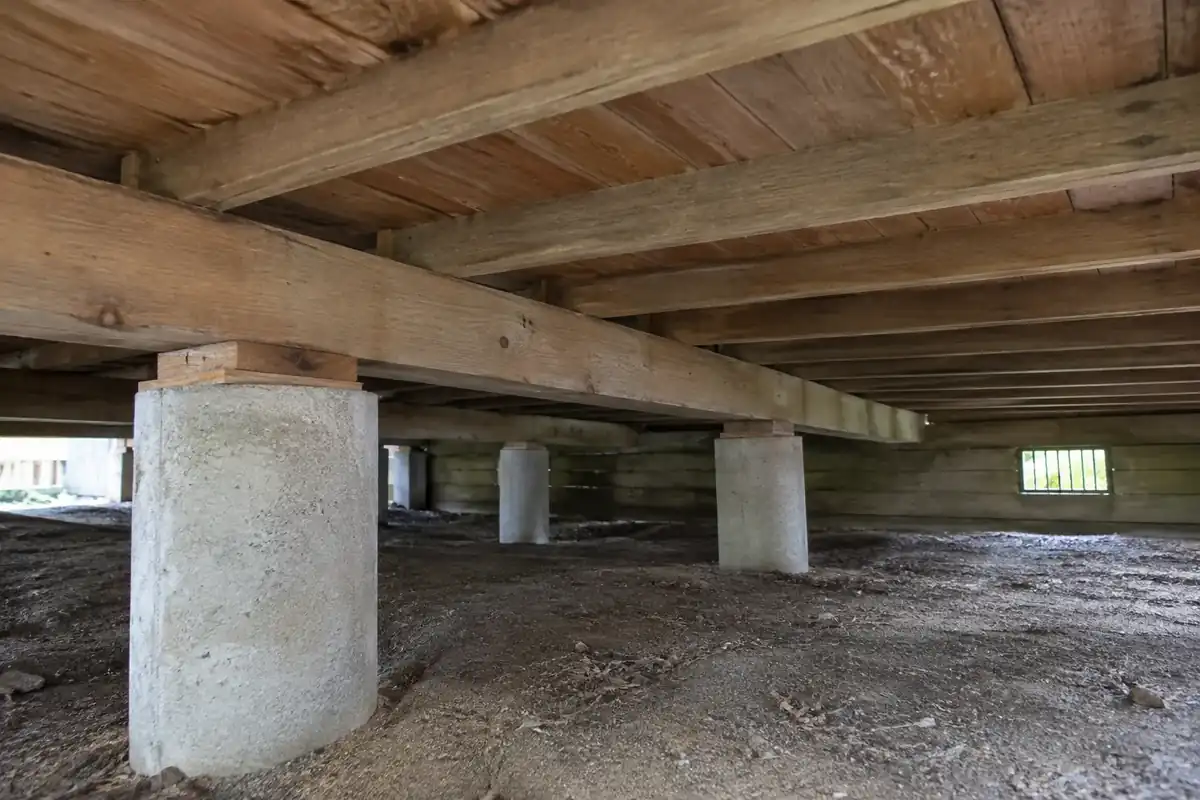
Preventing borer comes down to four habits: keep timber dry, keep bare timber protected, use treated timber for repairs, and don't carry borer in with furniture or salvaged wood. Borer develops fastest in timber kept above about 70% relative humidity, and the beetle can only lay eggs on bare, unsealed wood, so damp and bare surfaces are what to fix. A yearly check in the flight season catches anything that slips through. This page sets out each habit. If borer is already active, start with how to treat borer.
Why does damp matter so much?
Damp matters because it speeds borer up and invites worse pests. The common house borer's larvae develop fastest in humid timber, and huhu and rot need wet wood to take hold. A dry subfloor and roof space don't make timber immune, but they slow any survivors down and make the house far less inviting for the next generation. Fixing damp is the cheapest long-term borer control there is.
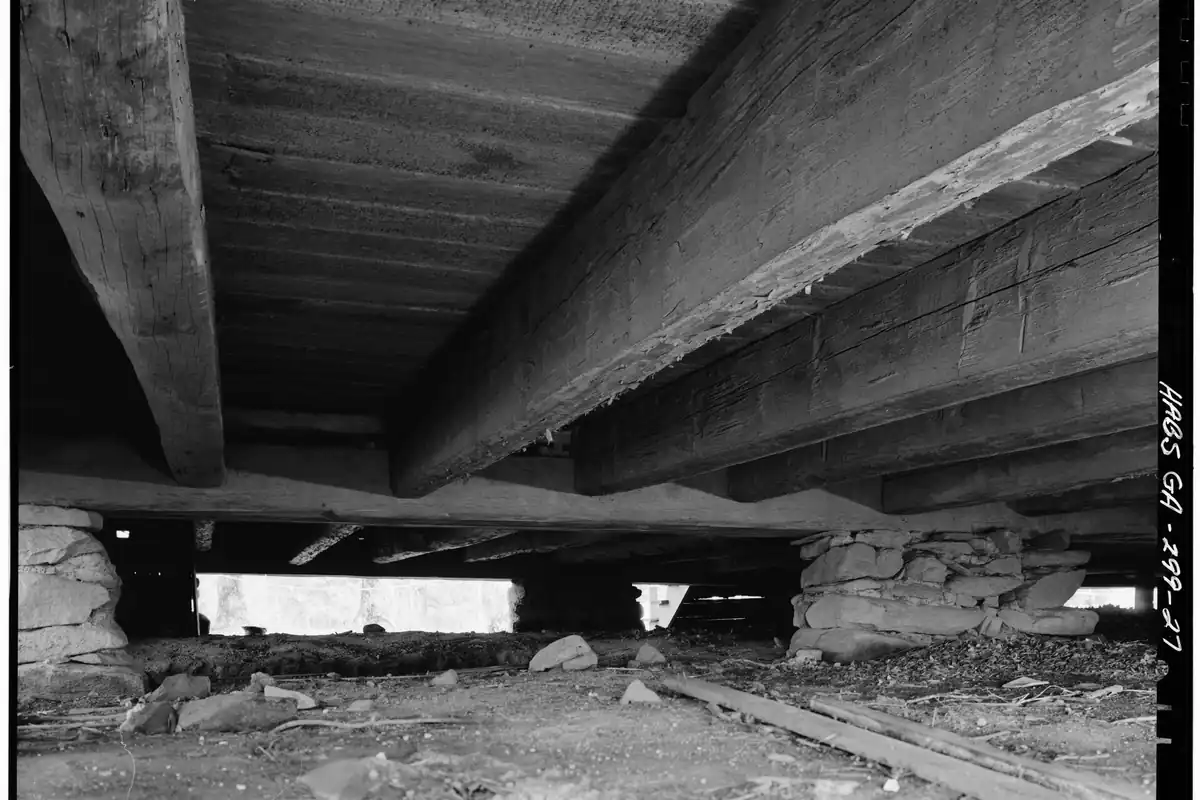
Common damp sources under Auckland houses:
- Bare soil under the floor, with no polythene ground cover
- Blocked or missing subfloor vents, often behind garden beds or decking
- Downpipes discharging next to the foundations
- Leaking pipes, showers and washing machine hoses
- Soil or paving built up above the base of the cladding
What is a ground moisture barrier, and do you need one?
A ground moisture barrier is a polythene sheet laid over the soil under a suspended floor to stop ground moisture rising into the subfloor. It's one of the simplest ways to dry out a damp subfloor. For rentals, the Healthy Homes standards require one where the subfloor is enclosed and installing it is reasonably practicable. For owner-occupied homes it's a sensible upgrade, especially before or after a borer treatment.
Treat the subfloor first, then lay the barrier, so the timber is coated before anything goes down. The subfloor treatment page explains why order matters, and landlords should read our rental guide.
Does paint protect timber from borer?
Paint protects the painted face, because the beetle needs bare timber to lay its eggs. It doesn't protect the unpainted faces: the backs of weatherboards, the undersides of floors and the framing. Keep the paint system sound, prime every face of new timber before it goes in, and treat bare faces you can reach. See does painting stop borer.
Borer under the floor or in the roof space? Get a written quote
What timber should you use for repairs?
Use treated timber for repairs, not untreated offcuts or salvaged native timber. H1.2 boron-treated framing is treated to resist borer, and treated timber for exposed or ground-contact use carries higher hazard classes. Seal cut ends as the supplier directs. Untreated new pine, especially sapwood, is exactly what borer prefers, so a repair made with it can start the problem again.
| Repair | Timber to ask for |
|---|---|
| Interior framing, dry | H1.2 treated |
| Exterior framing behind cladding | Treated to the class the building code requires |
| Weatherboards | Treated, primed on all faces |
| Piles and ground-contact timber | Ground-contact treated |
| Furniture or trim from salvaged rimu | Check and treat it first, or freeze small pieces |
Our answer on whether borer can get into treated timber explains the limits.
How do you avoid bringing borer in?
You avoid bringing borer in by checking anything wooden before it comes inside. Second-hand furniture, picture frames, recycled native timber and firewood can all carry live larvae. Look for pale, crisp holes and gritty dust, especially underneath and on unfinished backs. Treat or freeze suspect items in the garage first, and stack firewood away from the house.
The answers on firewood and recycled timber and treating borer in furniture cover each case.
What should a yearly borer check look like?
A yearly borer check takes half an hour in summer. Look at the subfloor and roof space with a torch, check floors, skirtings and window joinery for new holes, and look under furniture for dust. Vacuum known holes beforehand so anything new stands out. Note where you found holes each year: a growing patch means it's time to act.
- Vacuum old holes and dust in spring.
- Check again between December and February.
- Look at rimu floors in autumn for oval longhorn holes.
- Keep a dated photo of any patch you're watching.
Questions people ask
Can you borer-proof a house?
No house is completely borer-proof. Treated framing, a dry subfloor, sound paint and a residual treatment on old bare timber make a house a poor host, and that's as close as it gets. A yearly look catches anything new early.
Do older houses need regular borer treatment?
Not on a fixed schedule. Treat when there's active borer, then check each season. One manufacturer notes timber in strong sunlight may need re-treating after about five years; sheltered timber usually lasts longer.
Does insulation help or hurt with borer?
Insulation itself doesn't attract borer, but it hides the timber you need to check and treat. Treat the subfloor and roof space before insulating, and keep insulation away from vents so the subfloor still breathes.
Where this fits in the bigger picture is laid out on our main page for Auckland borer treatment.