Borer by suburb: what changes across Auckland
Borer is the same beetle everywhere, but an 1890s Ponsonby villa and a 2002 Botany house give it very different chances.
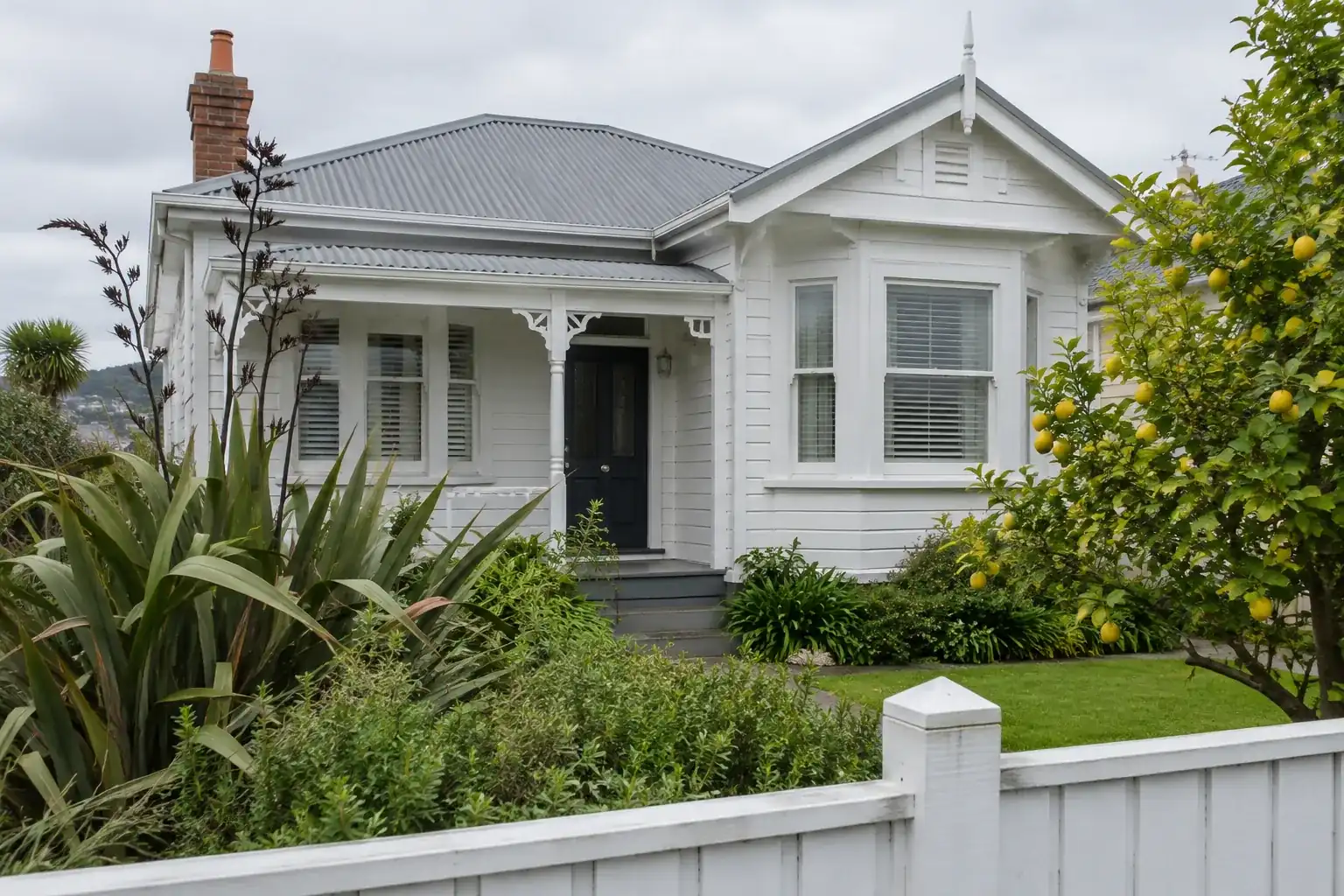
Borer treatment is arranged across all of Auckland, and a technician always comes to the property. What changes from suburb to suburb is the house: its age, its timber, the ground under it and how damp it gets. Inner suburbs full of villas put up in untreated native timber have the most borer. Bush-edge suburbs have damp, which brings huhu and rot as well. Houses built in the late 1990s to 2004 may have untreated kiln-dried framing. The pages below take each area in turn. For the treatment itself, start with how to treat borer.
Which parts of Auckland have the most borer?
The parts of Auckland with the most borer are the older inner suburbs: Grey Lynn, Ponsonby, Mt Eden, Devonport, Remuera, Onehunga and Birkenhead, where many houses date from before treated framing. Their native timber sapwood has had a century of beetle generations. Newer suburbs with treated framing have far less, though not none.
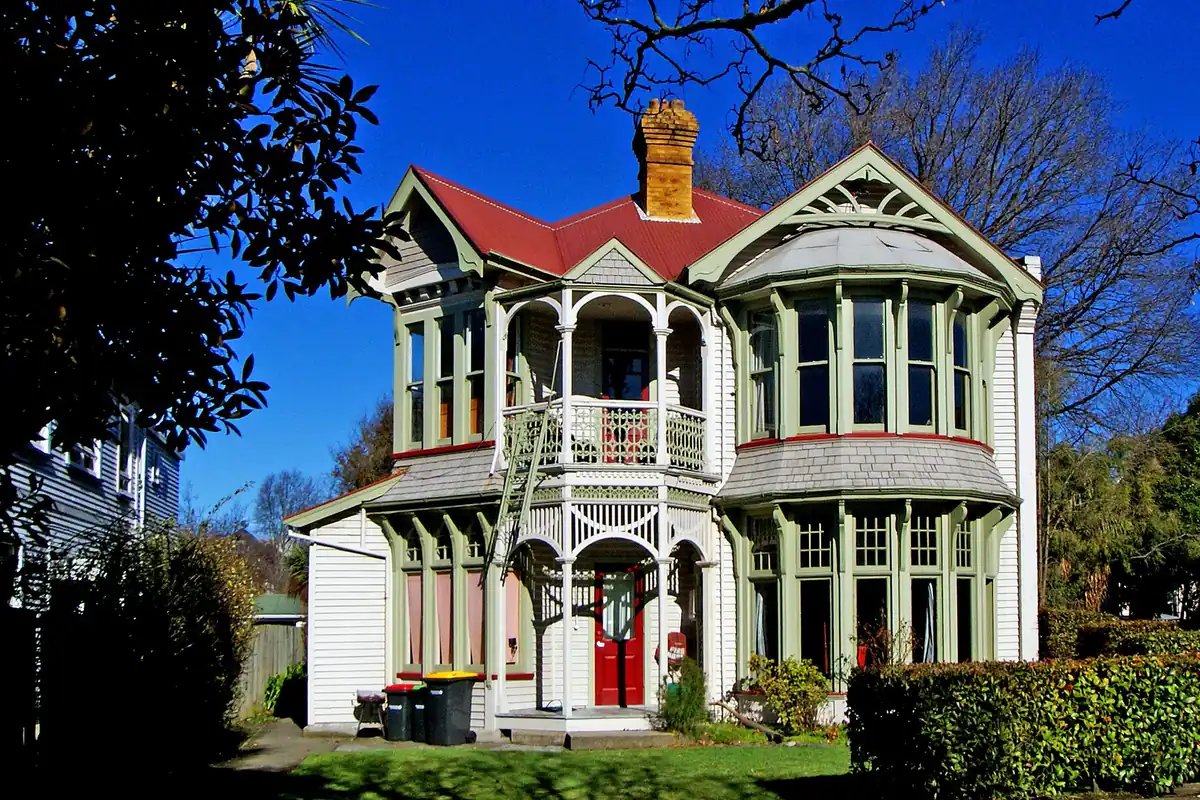
Four kinds of borer situation
Most Auckland borer jobs fall into one of four situations, and each suburb page explains which ones are common there. Knowing yours tells you where to look first, what a treatment is likely to involve, and whether damp or building work needs dealing with alongside the borer itself.
| Situation | Typical suburbs | What it usually means |
|---|---|---|
| Villas and bungalows in native timber | Grey Lynn, Ponsonby, Mt Eden, Devonport, Remuera, Onehunga, Birkenhead | Subfloor and roof treatment, joinery injection |
| Damp, shaded or bush-edge sites | Titirangi, parts of the North Shore and West | Moisture fixes first, then treatment; watch for huhu |
| Coastal and estuary-edge houses | Devonport, Takapuna, Howick, Orewa, Te Atatū | Paint upkeep on exterior timber, damp low sections |
| Late-1990s to 2004 builds | Newer parts of East Auckland, the Hibiscus Coast, West Auckland infill | Check whether framing is treated |
The suburbs we've written up
These are the parts of Auckland with their own page so far. We arrange visits in the suburbs around each of them too.
- Birkenhead and Northcote Borer in Birkenhead villas and Northcote's post-bridge houses: native timber, bush gullies, steep sections and clay, and how a borer visit works on the North Shore.
- Devonport Borer in Devonport's villas and cottages: salt air on exterior timber, old reclaimed ground, volcanic slopes, heritage streets and what a borer visit involves here.
- Grey Lynn and Ponsonby Borer in Grey Lynn and Ponsonby villas and cottages: kauri and rimu timber, gully subfloors, renovation timing, character rules and what treatment usually involves.
- Henderson and Te Atatū Borer in Henderson and Te Atatū homes: orchard-era cottages, 1960s to 1970s houses, estuary-edge damp and late-1990s framing.
- Howick and Pakuranga Borer in Howick, Pakuranga and Botany: the old Fencible village, 1950s to 1970s suburbs on clay ridges, estuary-edge damp and the late-1990s framing window.
- Mt Eden and Kingsland Borer in Mt Eden and Kingsland bungalows and villas: scoria and lava-rock subfloors, untreated native framing, roof spaces, and how a borer visit works here.
- Onehunga Borer in Onehunga's workers' cottages, villas and state houses: Manukau Harbour damp, lava-field and reclaimed ground, renovation timing and treatment costs.
- Orewa and Hibiscus Coast Borer on the Hibiscus Coast: old baches, 1950s to 1960s houses, salt and sand, and late-1990s framing in Orewa and Whangaparāoa.
- Papakura Borer in Papakura homes: an 1850s township, post-war suburbs, peat and wetland ground around Takanini, damp subfloors, newer subdivisions and treatment costs.
- Remuera and Epsom Borer in Remuera and Epsom's Edwardian villas, bungalows and mid-century houses: native floors, big roof spaces, scoria foundations and costs.
- Takapuna and Milford Borer in Takapuna and Milford: beach bungalows, mid-century houses around Lake Pupuke, coastal paint wear, basalt and clay ground, and when treatment makes sense.
- Titirangi Borer and huhu in Titirangi's bush-clad homes: high rainfall, steep sites, decks and pole houses, damp timber, and how treatment and moisture work fit together.
What doesn't change by suburb
Some things are the same everywhere. The common house borer flies mainly from November to January. A residual treatment goes on bare timber and lasts years. Painted timber needs injection. Prices follow the same published Auckland ranges, roughly $350 to $600 for a roof space and $450 to $750 for a subfloor, with your price set in writing after the visit.
Borer under the floor or in the roof space? Get a written quote
The treatment timing guide and cost page apply wherever you live.
Travel, parking and access
Travel, parking and access are what change most on the day. Inner-city villas often have tight street parking and small subfloor hatches. Bush sites can mean steep steps and narrow roads. Newer suburbs are usually easy. Let us know about parking, gates, pets and where the subfloor and roof hatches are when you book, so the visit runs smoothly.
Character areas and heritage rules
Several older suburbs are covered by the Special Character Areas overlay in the Auckland Unitary Plan, which is about how houses and streets look. A borer treatment changes nothing visible, so it isn't affected. Replacing original cladding, joinery or verandah details might need council input, so check your property before larger exterior repairs. The exterior timber page explains when boards are treated and when they're replaced.
Not listed?
If your suburb isn't listed, we almost certainly still cover it. Visits are arranged across Auckland, from the Hibiscus Coast to Papakura and from the Waitākere foothills to the eastern bays, and the same treatments, prices and written quotes apply. Call or email us and tell us where you are.
For the overview before the detail, start at Auckland borer treatment.