Borer flight-hole injection, hole by hole
A surface treatment can't soak through paint or varnish. Injection puts the insecticide down the borer's own tunnels instead.
Facts and prices checked 5 November 2026
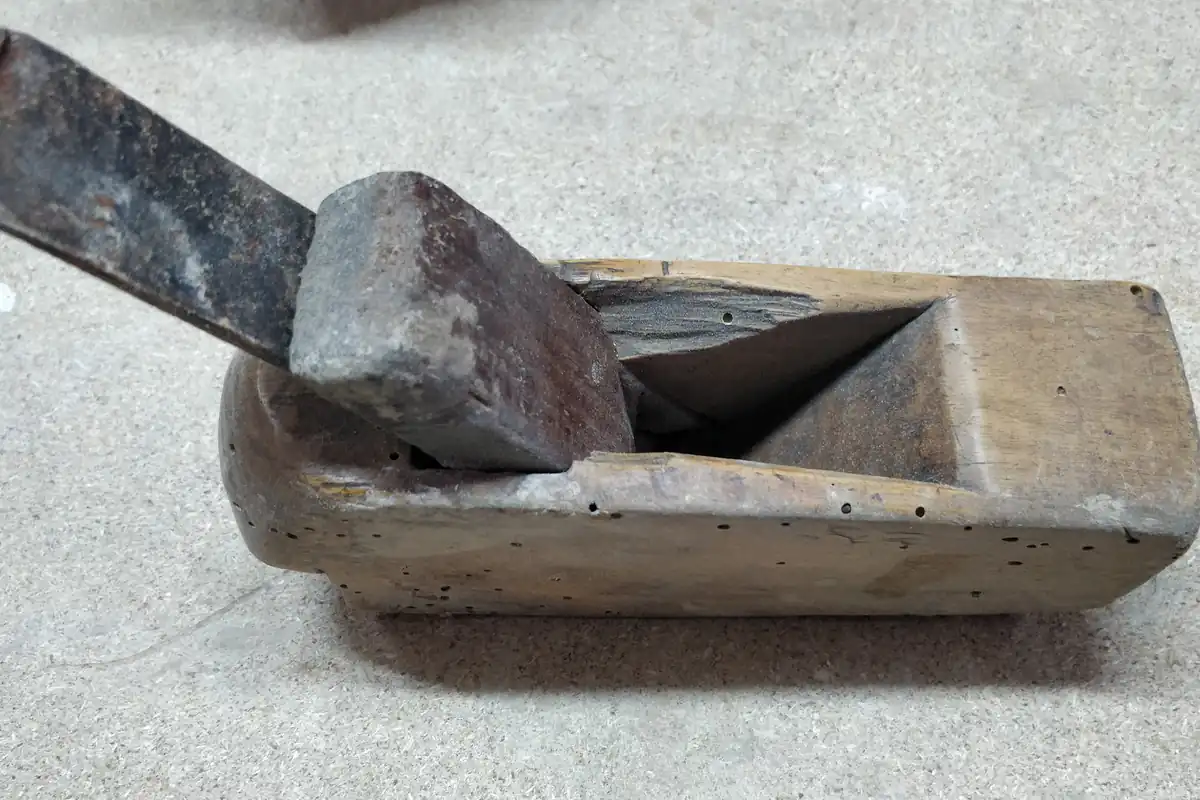
Flight-hole injection treats borer in timber that has a paint, varnish or polish finish. A thin nozzle goes into each exit hole and a short burst of insecticide is pushed into the tunnel network behind it, reaching larvae that a surface coat could never touch through the finish. It's slow, hole-by-hole work, and it's the standard method for skirting boards, architraves, window joinery, finished floors and furniture. This page explains when injection is the right tool, and how it fits with the rest of a borer treatment.
When is injection the right treatment?
Injection is the right treatment when live borer is in timber you can't strip back to bare wood. Residual surface products only work on unsealed timber, so painted trim, varnished floors and polished furniture need the insecticide delivered through the holes instead. If the same timber has a bare face you can reach, such as the back of a skirting or the underside of a floor, treat that face as well.
Typical places that need injecting:
- Skirtings, architraves and door frames in older villas and bungalows
- Window sashes, sills and frames with sound paint
- Varnished or oiled floorboards with fresh holes on the top face
- Stair treads, banisters and built-in cupboards
- Furniture, picture frames and wooden ornaments
How does a borer injector work?
A borer injector is an aerosol or squeeze bottle of residual insecticide fitted with a narrow straw nozzle. The nozzle is pressed firmly into a flight hole and given a short burst, which drives the liquid along the tunnels inside. Because the tunnels connect, one hole can treat a fair stretch of timber. One retail injector lists 1 g/L permethrin and HSNO approval HSR000266 on its technical sheet.
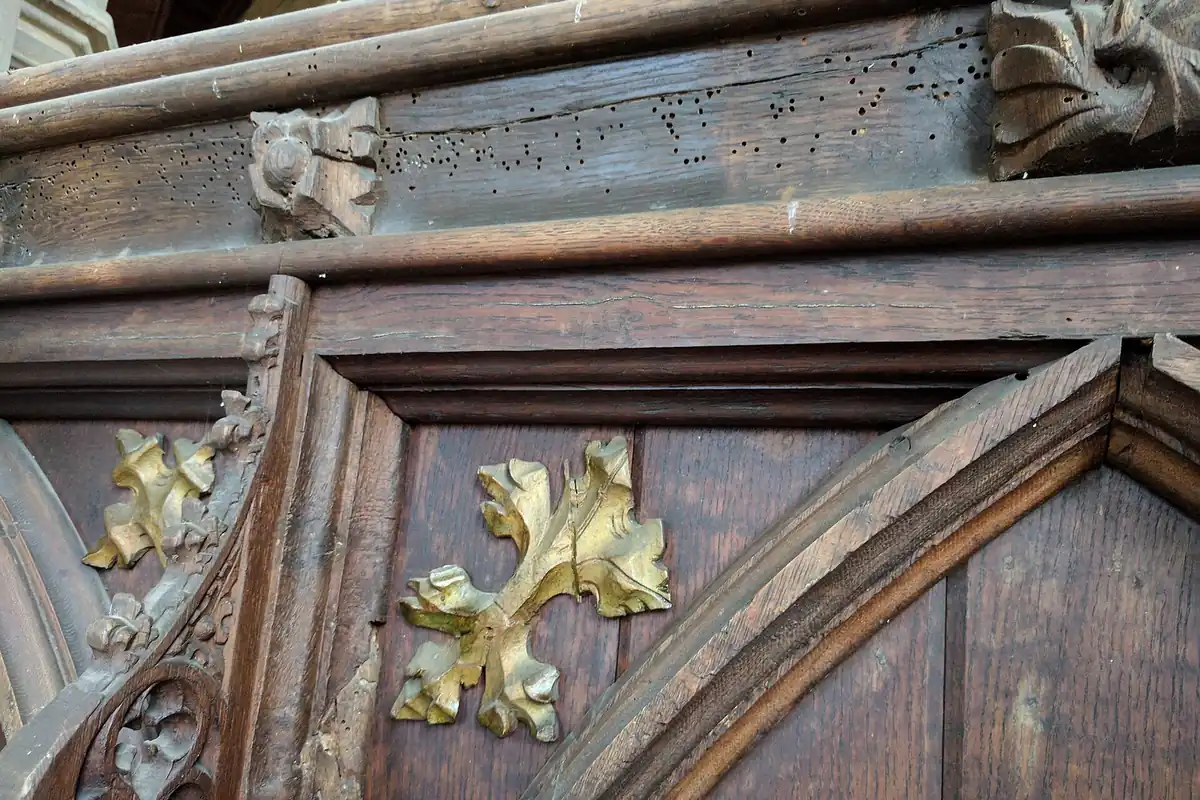
The basic method most labels describe:
- Wear gloves and eye protection. Liquid can spit back out of a neighbouring hole.
- Seat the nozzle firmly in the hole, so the burst goes into the timber rather than over the surface.
- Give a short press, then move on. Liquid appearing at a nearby hole shows the tunnels connect.
- Work every fresh hole in a cluster, and a sample of the older ones around it.
- Wipe off excess from finished surfaces straight away, and test an inconspicuous spot first on fine furniture.
Which holes should you inject?
Inject the fresh holes first: pale or bright inside, sharp-edged, often with fine gritty dust below. Then inject the holes around them, because larvae in the same piece may be close to emerging. Dark, dusty, old holes in a piece with no fresh dust for several seasons may be from borer long gone, though injecting them does no harm.
| What you see | Inject? |
|---|---|
| Pale, crisp-edged holes with fresh dust | Yes, every one |
| Older holes next to fresh ones | Yes, they share tunnels |
| Dark holes, no dust for several seasons | Optional; recheck next summer |
| Oval holes 3 to 7 mm across | Yes, but longhorn damage may need a builder's look |
| Holes in bare, unpainted timber | Use a surface coat instead, or as well |
Our page on borer holes and the answer on how to tell if borer is active cover the signs in more detail.
Borer under the floor or in the roof space? Get a written quote
What can injection not do?
Injection can't protect a whole roof space or subfloor, and it can't stop beetles laying eggs on bare timber you haven't coated. It only treats the timber behind the holes you inject, so new holes elsewhere in the same room still mean new activity. It also does nothing about the damp that drew borer in. That's why it's usually one part of a job, alongside subfloor and roof space treatment.
How long does an injection job take?
Injection takes as long as the number of holes demands, so it can be the slowest part of a borer job. A single piece of furniture might take a few minutes. A villa hallway with active borer through every skirting and architrave can take hours, worked hole by hole. No published price list covers injection on its own, so it's priced in the written quote after the timber has been seen.
Should you fill the holes afterwards?
Yes, but not straight away. Give the treatment time to soak in and dry, as the label directs, and wait until you're confident the area is quiet. Filling first hides new holes, so you can't tell if borer is still active. Once you're sure, fill with a filler or wax that suits the finish, then paint or polish. Our answer on filling borer holes goes through it.
Questions people ask
Will injecting borer holes damage the paint or varnish?
Usually not, if excess is wiped off quickly. Some finishes and fine antique surfaces can mark, which is why labels suggest testing a hidden spot first. Solvent-based fluids are more likely to affect finishes than water-based ones.
How many holes does one can of injector treat?
It depends on how much each burst takes and how connected the tunnels are. A small aerosol suits furniture and a few lengths of trim. Widespread activity through floors and joinery uses much more, which is where a professional job can make more sense than several cans.
Can I inject borer holes in a floor that's been polyurethaned?
Yes. Injection is the way to reach borer under a hard floor finish. Also treat the underside of the boards from the subfloor if you can reach it, because that bare face is where many new eggs are laid.
Where this method sits among the others is laid out on our main page for Borer Wise.