Which timbers do borer eat?
Borer is choosy. Knowing which timber in your house it likes tells you where to look and what to treat.
Facts and prices checked 5 November 2026
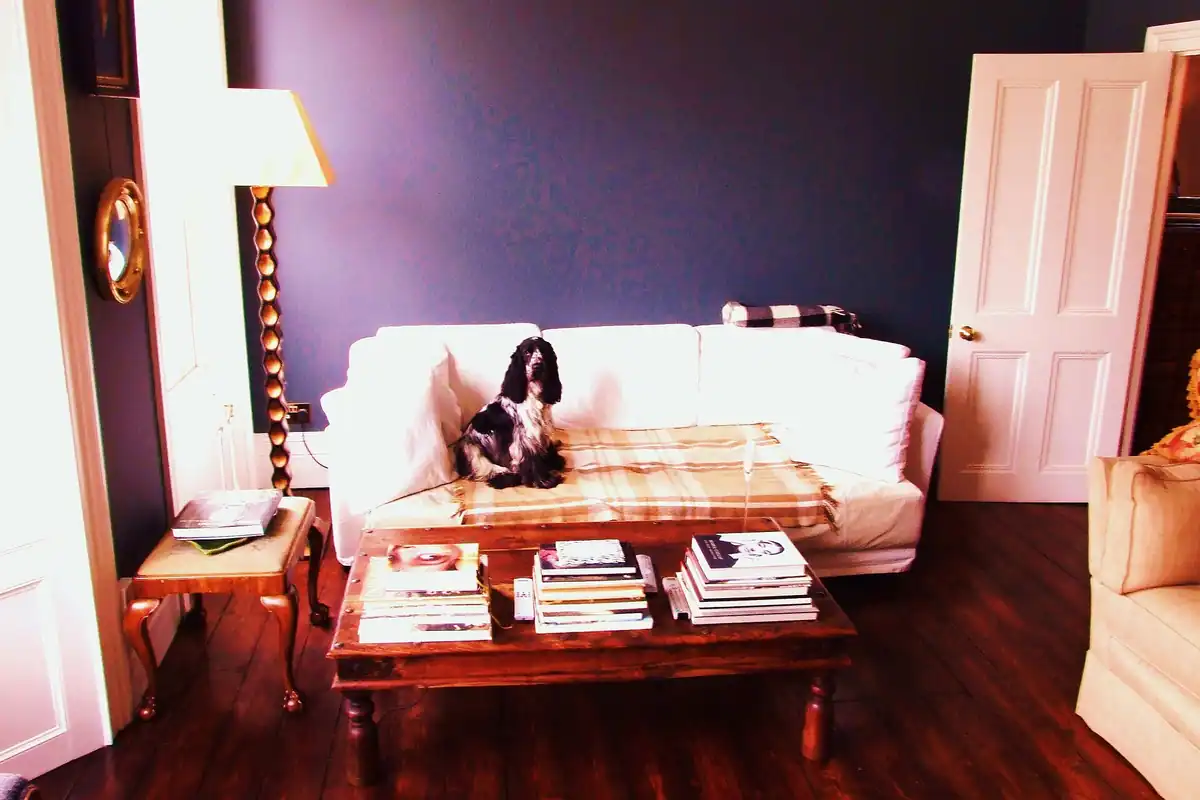
The common house borer eats the sapwood of softwoods and native conifers: rimu, kahikatea and radiata pine all qualify as hosts, and NZFFA says only the sapwood of host timbers is normally attacked. Douglas fir and western red cedar seldom suffer. Heartwood mostly resists the common borer, but the two-toothed longhorn also eats into heartwood, especially in rimu, kahikatea and macrocarpa. Powderpost beetle sticks to the sapwood of hardwoods like tawa, rewarewa or oak. This answer maps those preferences onto an Auckland house. The beetles themselves are on the borer beetle page.
Why does borer prefer sapwood?
Borer prefers sapwood because it's the outer, living part of the tree when felled, richer in the starches and nutrients larvae need, and lacking the natural extractives that make heartwood more durable. Each board's sapwood edge is where the damage usually starts. NZFFA notes that some heartwood damage has been recorded for the common borer, but sapwood is its normal food.
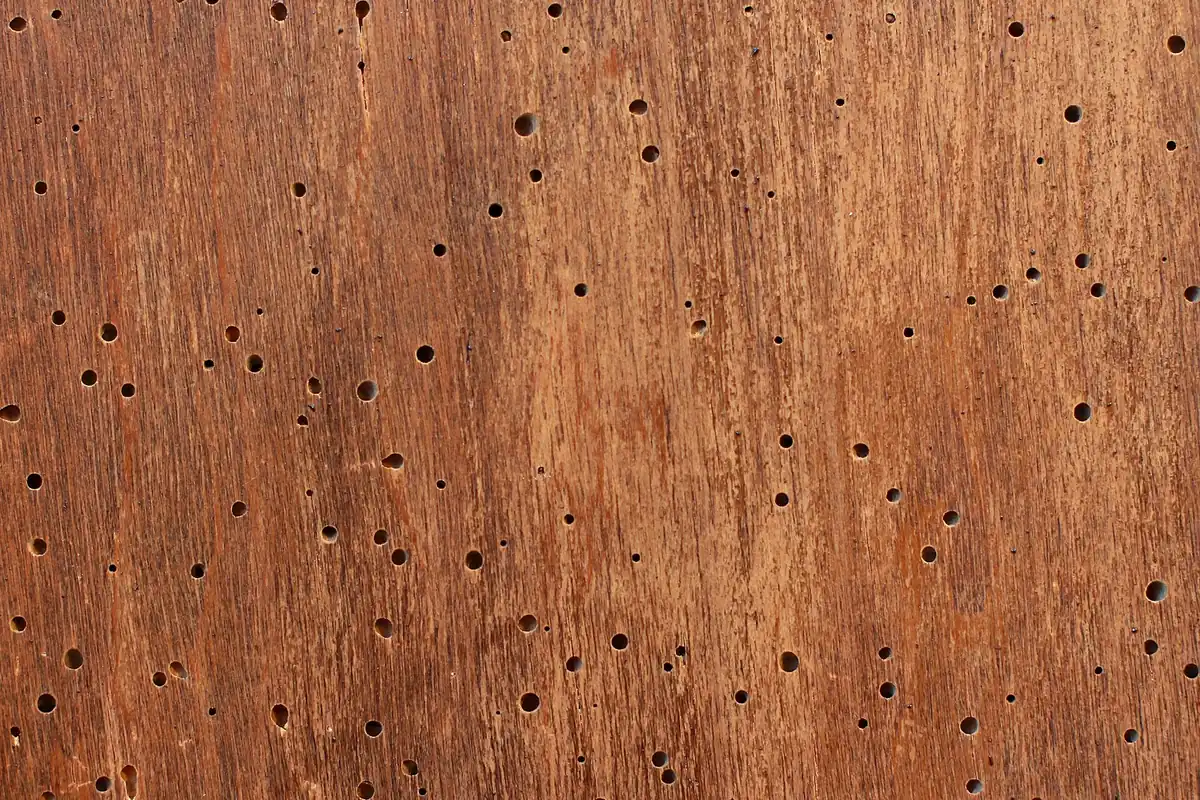
That's why a rimu floor can have holes along one edge of a board and none on the next board: one board was cut with more sapwood in it.
Which timbers in an Auckland house are most at risk?
The timbers most at risk in an Auckland house are untreated native and pine timbers with sapwood, mainly in the subfloor, roof space and older floors. Rimu and kahikatea were widely used in villas and bungalows, and radiata pine in later houses. Untreated kiln-dried pine from the late 1990s to 2004 is also a host.
| Timber | Common house borer | Two-toothed longhorn | Powderpost beetle |
|---|---|---|---|
| Rimu | Sapwood attacked | Attacked, including heartwood | Not a host (softwood) |
| Kahikatea | Sapwood attacked (fast: about 3-year cycle) | Attacked | Not a host |
| Radiata pine (untreated) | Sapwood attacked | Occasionally | Not a host |
| Matai, tōtara | Less often | Recorded | Not a host |
| Macrocarpa | Less often | Attacked | Not a host |
| Douglas fir, western red cedar | Rarely damaged | Not noted | Not a host |
| Tawa, rewarewa, oak, ash | Not the usual host | Not noted | Sapwood attacked |
| H1.2 treated framing | Treated to resist borer | Treated to resist borer | Not a host |
Does the type of timber change how fast borer works?
The type of timber changes how fast borer works. NZFFA records the common borer's egg-to-adult cycle at roughly three years in kahikatea and four in rimu or pine sapwood. Moisture and temperature matter too: larvae develop fastest above about 70% humidity. So damp kahikatea in a humid subfloor is about as good as it gets for borer.
Borer under the floor or in the roof space? Get a written quote
What about kauri?
Kauri is common in older Auckland houses as flooring, joinery and weatherboards, and its sapwood can carry borer like other native timbers. Heartwood kauri is more resistant. We haven't found a primary source rating kauri's susceptibility in the same way as rimu and kahikatea, so it's sensible to handle kauri sapwood like any other native sapwood: check it, and treat it when you find fresh holes. Our how to treat borer guide applies.
What does this mean for treatment?
It means you focus treatment where the susceptible timber is. In a villa, that's the rimu and kahikatea floor framing, the undersides of the boards and the roof sarking. In a 1990s to 2000s house, check whether the framing is treated. Oval holes in rimu suggest longhorn, which can do more damage. Hardwood furniture with talc-fine dust suggests powderpost beetle. Each is treated much the same, but the species tells you how serious it might be.
The timber floor page covers native floors, and can borer get into treated timber covers newer framing.
Questions people ask
Do borer eat rimu?
Yes. The common house borer attacks rimu sapwood, and rimu heartwood is food for the two-toothed longhorn too. Rimu floors and framing are among the most common places for borer in older Auckland houses.
Do borer eat hardwood?
The common house borer mostly attacks softwoods and native conifers. Powderpost beetle attacks the sapwood of some hardwoods, including tawa, rewarewa, oak, ash, elm and eucalypts.
Is heart rimu safe from borer?
Heart rimu resists the common house borer, but the two-toothed longhorn can tunnel through it. Oval holes 3 to 7 mm across in heart rimu are worth a closer look.
Short answers like this one feed into Borer Wise, which sets out every option from DIY to a professional visit.