Natural borer treatment: what the evidence supports
Plenty of people want to deal with borer without an insecticide. Some non-chemical methods are proven for small items; most kitchen remedies aren't proven for anything.
Facts and prices checked 5 November 2026
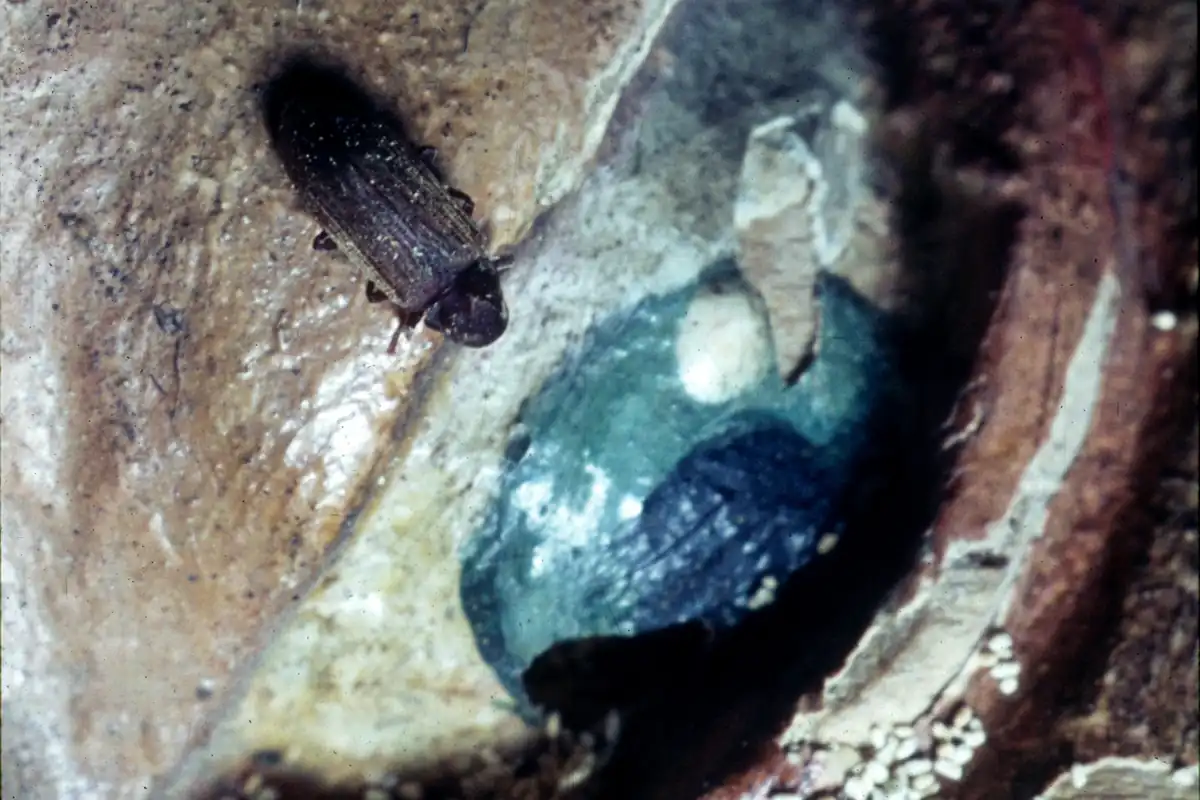
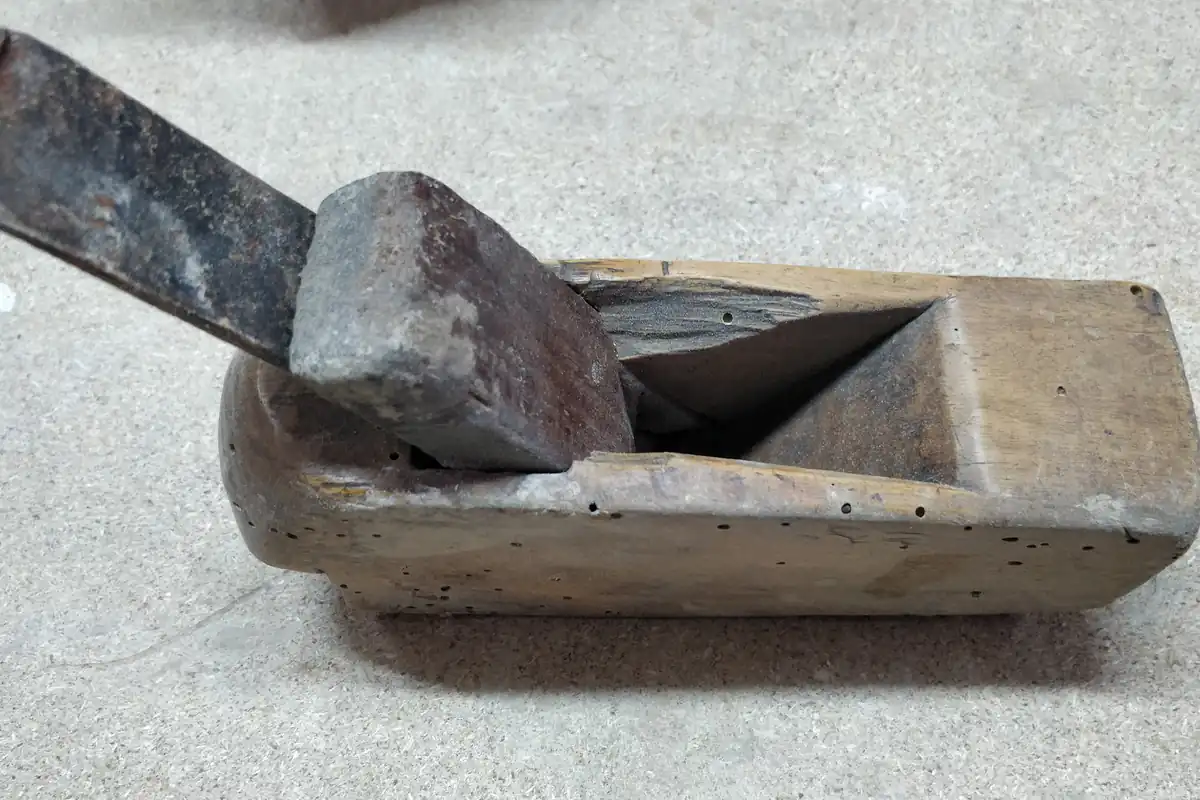
The natural borer treatments with real evidence behind them are physical, not kitchen chemistry: freezing small items, controlled heat, replacing badly affected timber with treated wood, and keeping timber dry. NZFFA lists heating and freezing as alternative treatments for common house borer. Vinegar, baking soda, essential oils and cedar have no good evidence of stopping borer larvae inside timber. Borax is a boron compound, the same family that protects modern framing, but a home mix has no tested strength. Our home remedies verdict covers kerosene and other old habits; this answer covers the non-toxic options.
Which non-chemical methods actually kill borer?
Freezing and heating are the non-chemical methods that kill borer, and museums rely on them. Cold or heat has to reach the centre of the timber and stay long enough, which limits both to items you can control: frames, carvings, boxes and small furniture. Neither leaves protection behind, so re-infestation is possible later. For house timber, neither is practical.
| Method | Evidence it works | Practical for |
|---|---|---|
| Freezing (about −20°C for a week, bagged) | Good: standard museum method | Small wooden items |
| Controlled heat | Good when controlled; risks glue and finishes | Specialist treatment |
| Replacing timber with treated wood | Good: removes the larvae and the food | Badly damaged boards and framing |
| Drier subfloor and roof space | Slows borer, deters huhu and rot | Every house |
| Vinegar | None found | Nothing |
| Baking soda | None found | Nothing |
| Essential oils, cedar, neem | No good evidence against larvae in timber | Nothing reliable |
| Home borax solution | Plausible in principle, untested strength | Not recommended over approved products |
Do vinegar or baking soda kill borer?
There's no good evidence that vinegar or baking soda kill borer larvae in timber. Wiped or sprayed on the surface, they don't reach larvae living inside for years, and they leave nothing behind that would stop the next generation. Vinegar can also mark finishes. They show up often in online remedy lists, but nothing we could find tests them against borer.
Borer under the floor or in the roof space? Get a written quote
What about borax?
Borax is a boron compound, and boron really does protect timber: it's what makes H1.2 framing resistant to borer, and BRANZ describes boron's long track record against insects and fungi. The problem with a home borax solution is everything else: no set strength, no tested penetration into old timber, and easy leaching by water. Borax is also harmful if swallowed, so it isn't hazard-free.
If you want a boron approach, look for a borate product with an NZ HSNO approval number on the label. Our borate treatment guide explains how they work and where they suit.
Do essential oils or cedar repel borer?
Essential oils and cedar don't have good evidence behind them as borer treatments. Some plant oils are insecticidal in lab tests, but there's no evidence that wiping them on timber kills larvae inside it or protects bare wood for the years a borer generation takes. Cedar's natural durability belongs to the timber itself; rubbing cedar oil on pine doesn't transfer it.
What's the lowest-chemical way to deal with house borer?
The lowest-chemical way to deal with house borer is to combine prevention with the smallest effective treatment. Dry out the subfloor, replace badly damaged timber with treated wood, freeze small items, and use a residual product only on the bare timber that needs it, applied once, carefully, to the label. Injection puts a small amount exactly where the larvae are. That's far less insecticide than repeated fogging.
The prevention guide and flight-hole injection page explain both halves, and freezing borer out of furniture covers the cold method.
Questions people ask
Is there an organic borer treatment?
Not one with good evidence for house timber. Freezing small items and replacing damaged timber are chemical-free. Most products sold for borer are insecticides or borates and carry an HSNO approval number.
Does sunlight kill borer?
Leaving a piece in the sun won't reliably heat the inside of the wood enough to kill larvae, and it can crack or fade it. Controlled heat treatment is different and is done with temperature monitoring.
Are natural remedies safer for pets?
Not automatically. Borax is harmful if swallowed, and some essential oils are toxic to cats. Freezing is the only option here that involves no substance at all.
Short answers like this one feed into Auckland borer treatment, which sets out every option from DIY to a professional visit.